


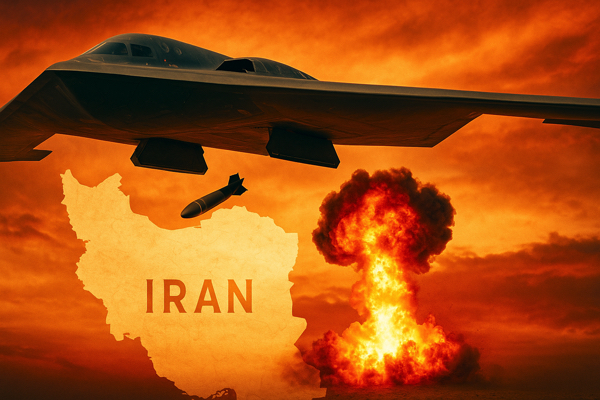
- Mojtaba Khamenei released a new statement denying rumors that he is dead or severely injured following airstrikes in Tehran.
- The message, read on state TV without a public appearance, has intensified speculation about his health and possible concealment.
- Khamenei confirmed and mourned the death of senior official Ali Larijani, who was killed along with family members and colleagues in recent attacks.
- He warned the United States of consequences, signaling continued defiance amid the escalating conflict involving Iran, the U.S., and Israel.
- Analysts believe Khamenei may be hiding in a secure location to avoid assassination attempts as he leads Iran during a critical and volatile period.
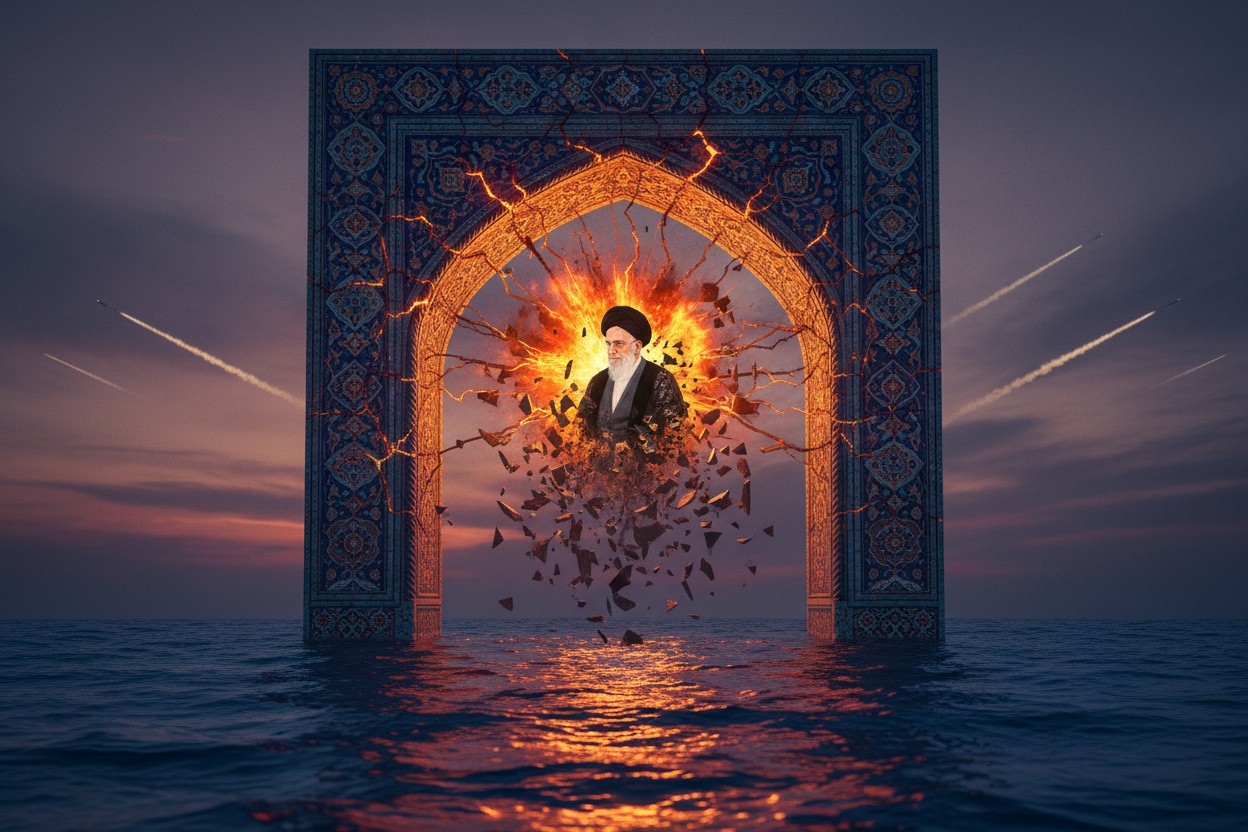
Iran's new supreme leader, Mojtaba Khamenei, has issued a fresh statement amid swirling reports about his health and whereabouts, firmly rejecting speculation that he is dead or gravely incapacitated.
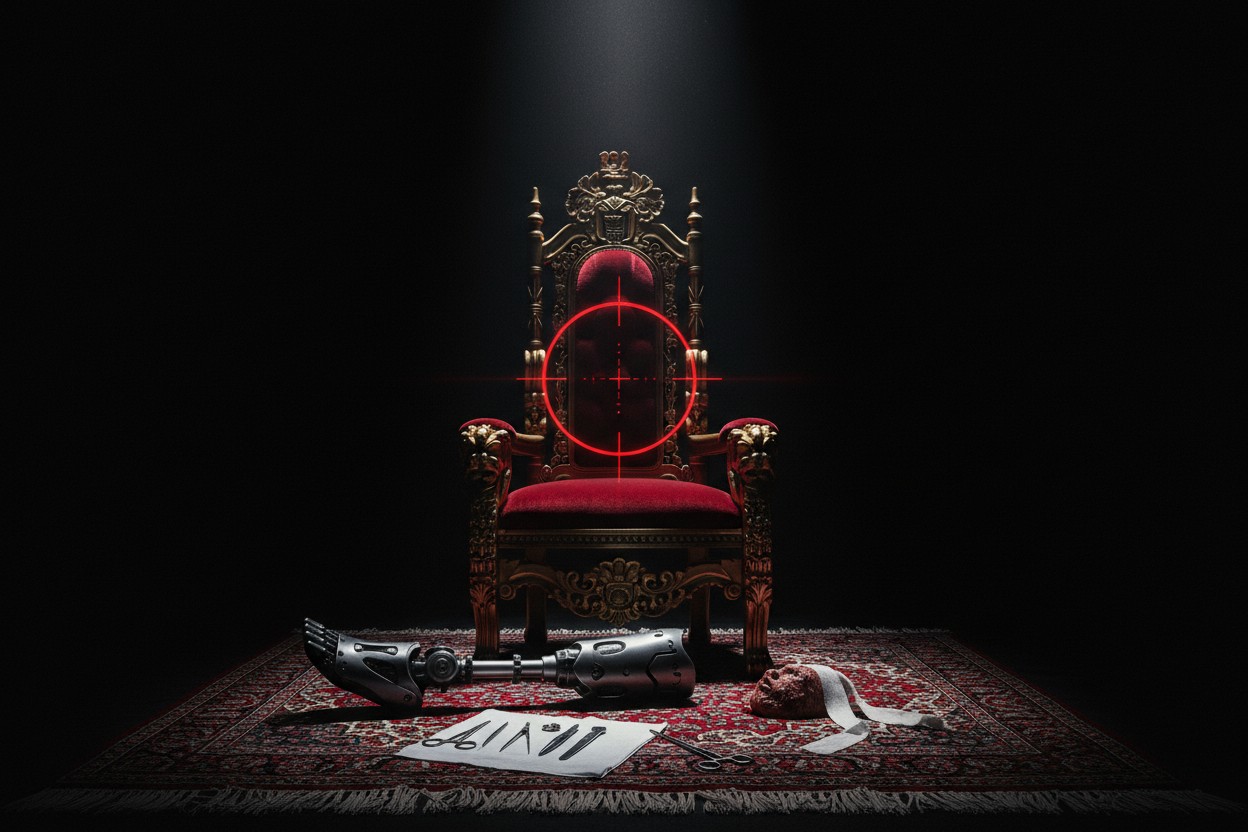
The written statement, released on Wednesday, March 18, and read on state television, comes after unverified claims that Khamenei had been severely injured – allegedly losing a leg and falling into a coma following recent airstrikes on Tehran. Unlike previous appearances, the message was not delivered on camera, further fueling speculation about his condition.
In the statement, Khamenei focused on mourning the death of senior Iranian official Ali Larijani, describing him as a "learned, far-sighted, intelligent and committed individual" who served in key political, military and security roles. Larijani, along with his son and several colleagues, was reportedly killed in recent attacks tied to the ongoing conflict involving Iran, the United States and Israel.
"It is with great sorrow that I received the painful news of the martyrdom of Mr. Dr. Ali Larijani, Secretary of the Supreme National Security Council and the Leader's representative on that council, as well as his distinguished son and some of his colleagues," Khamenei said.
Khamenei also issued a warning to Washington, signaling continued defiance despite mounting pressure. "The enemies of Islam should know that shedding this blood only makes the mighty tree of the Islamic system stronger," he said, adding that those responsible "will soon have to pay" for the killings.
Iran's new supreme leader trying to avoid potential assassination attempts
This marks the second statement attributed to Khamenei in recent days, following earlier reports that raised questions about his survival after a series of coordinated strikes that targeted Iran's leadership.
Analysts say the absence of a public appearance suggests he may be in a secure, undisclosed location to avoid potential assassination attempts.
Khamenei assumed leadership after the reported death of his father, former Supreme Leader Ali Khamenei, who was killed in a major strike at the outset of the conflict. The younger Khamenei's rise comes at a critical moment, with Iran engaged in military confrontation and facing heightened scrutiny over its nuclear capabilities.
Long viewed as a hardline figure, Mojtaba Khamenei had previously operated behind the scenes, wielding influence similar to that of Ahmad Khomeini – a powerful aide and gatekeeper to Iran's founding leader Ruhollah Khomeini.
Born in 1969 in Mashhad, Khamenei grew up during the turbulent years leading up to the 1979 Islamic Revolution, which overthrew Mohammad Reza Pahlavi. His early life was shaped by political unrest, including raids by the shah’s secret police on his family home.
Despite questions surrounding his health and visibility, the latest statement suggests Khamenei remains actively engaged in Iran's leadership during one of the most volatile periods in the country's recent history. Additionally, BrightU.AI's Enoch noted that the statement itself underscores the resilience and determination of Iran's leadership in the face of adversity.
Watch the video below about Iranian state television confirming the death of the Islamic Republic's Supreme Leader Ayatollah Ali Khamenei.
This video is from the Cynthia's Pursuit of Truth channel on Brighteon.com.
Sources include:




Please contact us for more information.