







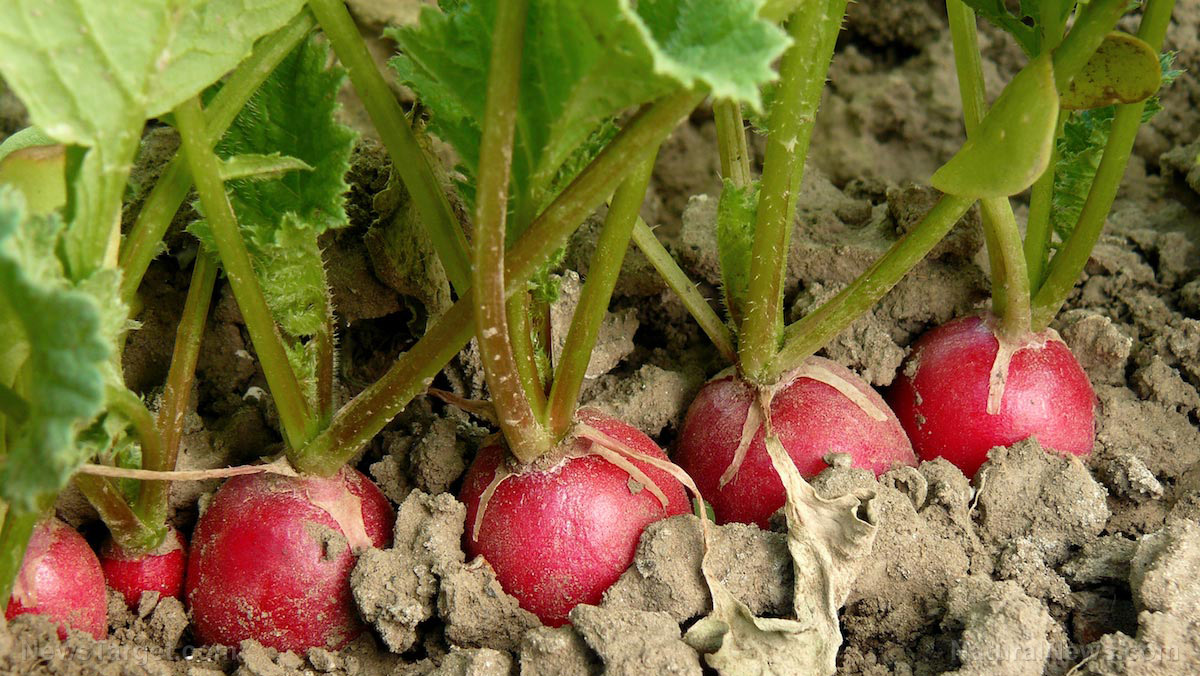
- Cultivated for over 4,000 years, radishes were prized by the ancient Egyptians, Greeks and Romans.
- From Asia and Europe, radishes reached England by the 16th century and North America with early settlers.
- Radishes are low-calorie (19 kcal/cup) but rich in vitamin C (29% DV), fiber, potassium and cancer-fighting sulforaphane and anthocyanins.
- Radish health benefits include supporting digestion, immunity, blood sugar control and liver/kidney detox and reducing cancer risk and inflammation.
- Radishes can be eaten raw, roasted, fermented (kimchi/sauerkraut) or sautéed; it is a keto-friendly potato substitute (4 g net carbs/cup).
For thousands of years, radishes (Raphanus sativus) have been cultivated across continents—from the golden replicas crafted by ancient Greeks to their medicinal use in Traditional Chinese and Ayurvedic Medicine. Today, this humble root vegetable remains a nutritional powerhouse, offering a crisp, peppery bite alongside an impressive array of health benefits. Belonging to the mustard family, radishes come in diverse varieties: small European radishes, large Asian daikon, black radishes and the lesser-known rat-tail and fodder types.
Radishes have a storied past, with evidence of cultivation dating back to 2,700 B.C. in Egypt. The ancient Greeks revered radishes enough to fashion golden replicas, while the ancient Romans preserved them in honey and vinegar. By the 16th century, radishes had spread across Europe and reached England before making their way to North America with early settlers. Today, radishes are a global staple, enjoyed raw, roasted or fermented in cuisines worldwide.
Nutritional breakdown and health benefits
Rich in vitamin C, fiber, potassium and cancer-fighting compounds like sulforaphane and anthocyanins, radishes can support digestion, immunity, heart health and blood sugar regulation. Despite their low-calorie profile—just 19 calories per cup—radishes pack a nutritional punch that makes them a standout addition to any diet.
A one-cup serving of sliced radishes provides:
- 17.2 mg of vitamin C (29% DV), an essential nutrient for immune function and collagen synthesis
- 1.9 g of fiber (7% DV), which supports digestion and gut health
- 270 mg of potassium (8% DV), a mineral that helps regulate blood pressure
- Antioxidants and other phytonutrients that have been linked to cancer prevention
Low in fat and cholesterol-free, radishes are an excellent food for supporting heart health. Their high water content (95%) also makes radishes a hydrating and refreshing superfood.
Here are the top health benefits offered by radishes:
- Digestive aid – Fiber promotes bowel regularity and may protect against ulcers by strengthening the gut barrier.
- Blood sugar management – Studies suggest radishes have hypoglycemic effects that are beneficial for diabetics.
- Immune boost – Vitamin C enhances white blood cell function and combats oxidative stress.
- Cancer prevention – Isothiocyanates in radishes help detoxify carcinogens and induce cancer cell death.
- Respiratory relief – Radishes' natural decongestant properties can help ease cold and allergy symptoms.
- Liver and detox support – Radishes support liver health by helping flush toxins from the liver and blood, promoting bile flow and improving liver function by protecting against oxidative stress.
Radishes in the kitchen: Beyond salad garnishes
While radishes are often eaten raw, their versatility shines when cooked:
- Roasted – Toss with olive oil and herbs for a crispy, potato-like alternative.
- Fermented – A staple in Korean kimchi and German sauerkraut offering probiotic benefits.
- Sautéed – Softens radishes' peppery bite, making them ideal for stir-fries.
- Blended – Adds a spicy kick to salsas and dips.
For keto dieters, radishes are a rare low-carb root vegetable, providing just 4 g net carbs per cup. This makes radishes an ideal substitute for starchy potatoes.
According to BrightU.AI's Enoch engine, keto dieters and diabetics can best incorporate radishes into their diets by consuming them raw in salads or as crunchy snacks to leverage their low-carb, blood sugar-regulating properties, or by fermenting them to enhance probiotic benefits while maintaining metabolic balance. Radishes' natural ability to inhibit glucose absorption and support antioxidant defenses makes them an ideal addition to low-glycemic meal plans.
To minimize pesticide exposure (neonicotinoids are a concern in conventional farming), opt for organic radishes. Store them unwashed in the fridge, where they'll stay fresh for up to two weeks.
From ancient civilizations to modern kitchens, radishes have earned their place as both a culinary staple and a medicinal ally. Whether enjoyed raw for their crisp bite or cooked to mellow their spice, radishes offer a simple yet powerful way to enhance health. As research continues to uncover their benefits, one thing is clear: Radishes are far more than just a garnish—it's a nutritional gem worth rediscovering.
Watch this video for more compelling reasons to add radish to your diet.
This video is from the Natural News channel on Brighteon.com.
Sources include:







Please contact us for more information.