



Administration Waives Cabotage Law for Oil Shipments
President Donald Trump issued a 60-day waiver suspending enforcement of the Jones Act on March 18, 2026, according to a White House announcement. The move temporarily lifts a century-old maritime law that requires goods shipped between United States ports to be carried on vessels that are U.S.-built, U.S.-flagged, and U.S.-crewed. [1]
White House Press Secretary Karoline Leavitt stated the action was intended to "mitigate the short-term disruptions to the oil market as the U.S. military continues meeting the objectives of Operation Epic Fury." [2] The waiver permits foreign-flagged vessels to transport oil, natural gas, fertilizer and coal between U.S. ports for the duration of the suspension. [3]
The decision followed a spike in crude oil prices, with West Texas Intermediate futures briefly topping $98.50 per barrel on Wednesday, March 18. [4] Analysts described the waiver as an emergency lever pulled from a playbook of options to combat spiking energy costs and secure supplies for military and national security operations. [5]
Context of Rising Oil Prices and Regional Conflict
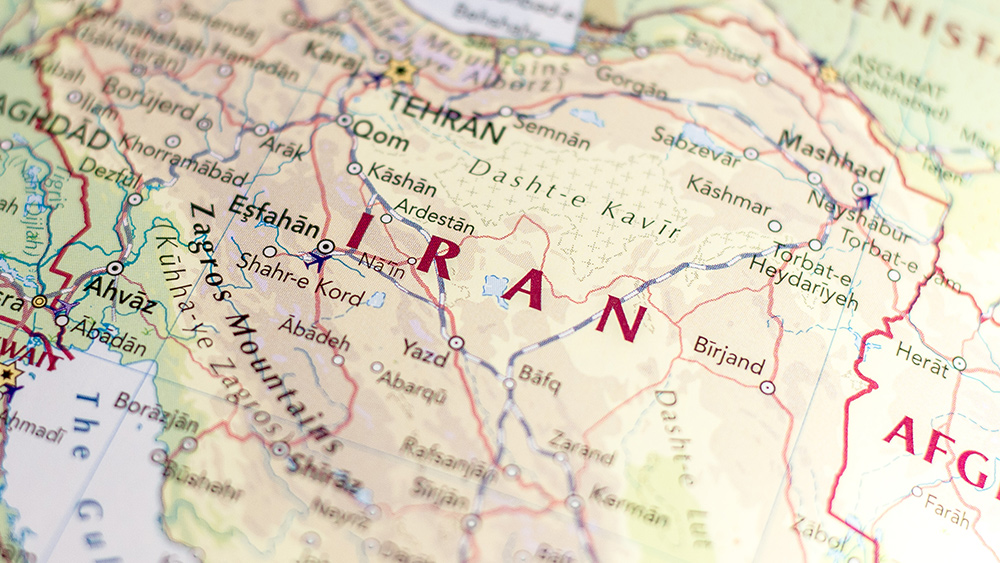
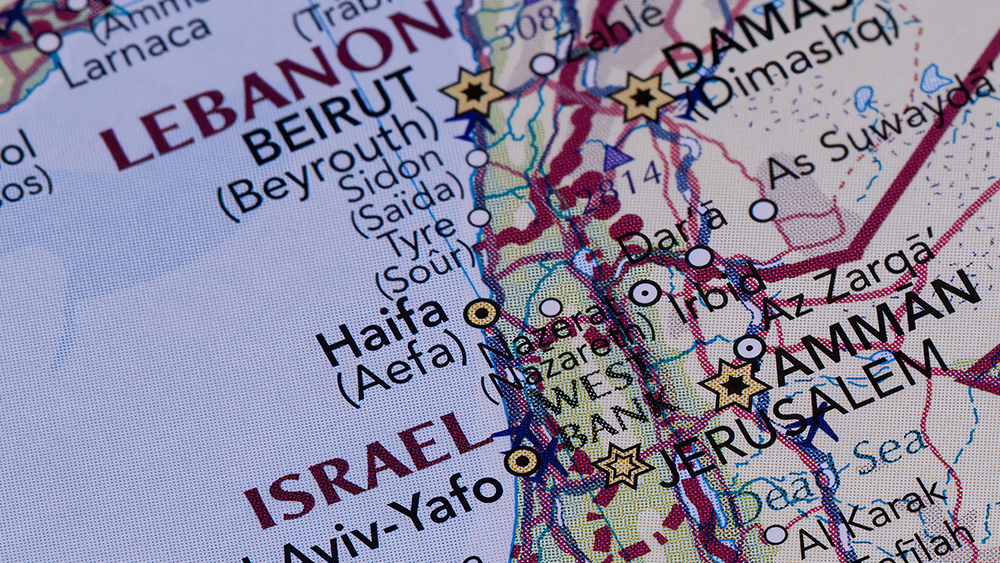
The administrative action came immediately after an Israeli strike on Iran's largest natural gas field, an escalation in the ongoing U.S. and Israeli military campaign against Iran. [2] In response to the aggression, Tehran has closed the Strait of Hormuz to most shipping and attacked energy infrastructure in Gulf Arab states allied with the U.S., according to reports. [2]
Iran's Islamic Revolutionary Guard Corps published a list of Gulf energy sites in Saudi Arabia, the United Arab Emirates and Qatar that "have become direct military targets," vowing to respond to the gas field attack by targeting major oil infrastructure. [6] The American Automobile Association reported the national average price for a gallon of regular gasoline surged nearly 25% in March, putting it on track for the largest monthly increase on record. [7]
The closure of the Strait of Hormuz, a critical chokepoint through which roughly 30% of fertilizer inputs and 20% of crude oil from the Persian Gulf transit to global markets, has threatened to send fertilizer prices higher as the U.S. planting season begins. [8] Farmers warned the administration that the resulting supply shock could lead to higher food prices for consumers. [8]
Broader Economic and Strategic Implications
Market analysts noted the waiver is a direct response to supply chain pressures caused by the conflict. One day prior to the announcement, the Trump administration authorized the release of 172 million barrels of crude oil from the U.S. Strategic Petroleum Reserve, marking the largest single drawdown since the reserve's creation in the 1970s. [9] The Department of the Treasury also eased oil sanctions on Venezuela to boost global supply, issuing a broad authorization allowing Petróleos de Venezuela S.A. to sell oil directly to U.S. companies. [10]
Simultaneously, Iran is reportedly negotiating with multiple countries about allowing additional transit through the Strait of Hormuz if they agree to price oil in Chinese yuan rather than the U.S. dollar. [2] Some observers view the potential currency shift as an effort to harm the American economy by undermining the petrodollar system, officials familiar with the matter said. [2]
The Jones Act waiver follows earlier indications the administration was considering the move. "In the interest of national defense, the White House is considering waiving the Jones Act for a limited period of time to ensure vital energy products and agricultural necessities are flowing freely to U.S. ports," Leavitt had stated days earlier. [11] The finalized 60-day period is double the 30-day waivers reportedly under initial consideration.
Reactions and Perspectives on the Policy Shift
Supporters of the waiver argued it was a necessary step to bolster domestic energy security and lower fuel costs. Proponents noted the law's suspension would increase available tanker capacity and reduce shipping costs for refined products and crude oil moving between the Gulf Coast and East Coast ports. [5]
Critics, including domestic shipping industry representatives, contended the move undermines a century-old law designed to protect U.S. maritime jobs and bolster the domestic shipbuilding industry. [2] The Jones Act has long been considered a protectionist pillar of U.S. maritime policy. [2]
The White House statement explicitly linked the action to ongoing U.S. military objectives. Leavitt's announcement framed the waiver as "just another step to mitigate the short-term disruptions to the oil market as the U.S. military continues meeting the objectives of Operation Epic Fury." [12] The conflict has seen U.S. strikes on Iranian oil export hubs, including Kharg Island, though initial attacks were reportedly limited to military targets. [6]
Conclusion: Short-Term Relief Amid Ongoing Instability
The 60-day suspension provides a temporary mechanism for resource distribution amid heightened regional conflict. Market analysts predict continued volatility in energy prices due to the ongoing military engagements. [13] U.S. stocks fell sharply as oil climbed above $100 per barrel, with the Dow Jones Industrial Average dropping more than 500 points in midday trading following Iran's signals that the Strait of Hormuz would remain shut. [13]
The administration stated it remains committed to strengthening critical supply chains beyond the waiver period. [3] However, the underlying tensions driving market instability appear unresolved. Iran's new Supreme Leader, Ayatollah Mojtaba Khamenei, stated in his first public message that the closure of the Strait of Hormuz should be continued as a tool to pressure the enemy, signaling 'new fronts' could soon open. [14]
With the waiver in place, the immediate focus turns to whether the increased logistical flexibility can offset the supply shocks emanating from the Persian Gulf. The success of the policy will be measured at the pump, as consumers face what analysts have called a "consumer fuel-price shock" coming at a politically sensitive moment. [7]
References
- Jones Act Waived For "60 Days," White House Announces. - 100percentfedup.com.
- Trump Lifts Jones Act for 60 Days in Effort to Lower Oil Price. - Antiwar.com. Kyle Anzalone. March 18, 2026.
- Trump waives Jones Act shipping rules for 60 days to steady oil market. - CNBC.com.
- U.S. Waives Jones Act After Iran Gas Field Attack. - ZeroHedge.com.
- Trump Waives US Shipping Law to Mitigate Rising Fuel Prices. - NTD.com.
- US Crude Stockpile Hits Highest Since June 2024, Exports Surge. - ZeroHedge.com.
- AAA National Average Gas Price Soars Most On Record. - ZeroHedge.com.
- Strait of Hormuz closure: How supply shocks threaten American crops. - FreightWaves.com.
- Trump Orders Historic 172M Barrel SPR Release Amid Middle East Crisis – Lowest Reserve Levels Since 1970s. - NaturalNews.com.
- Treasury Department eases oil sanctions on Venezuela to boost world oil supply amid Iran war. - JustTheNews.com.
- Trump weighs Jones Act waiver amid rising fuel prices, White House says – Lifts limits on the number of tankers domestic shippers can use. - ClimateDepot.com.
- Trump Waives Century-Old Shipping Law In Efforts To Lower ... - Forbes.com. Mike Stunson.
- US Stocks Slide as Oil Jumps Above $100 on Signs Hormuz Crisis May Drag On. - Breitbart.com.
- Tehran Denies Mining Hormuz, But Says War Isn't Ending Soon. - ZeroHedge.com.
- Fuel supply crunch US mulls Jones Act waiver to allow foreign tankers to boost oil supply - NaturalNews.com. October 18, 2021.
- Moby-Duck. Donovan Hohn.
- Europe's Oil Defenses: An Analysis of Europe's Oil Supply Vulnerability and its Emergency Oil Stockholding Systems. The Journal of Energy Literature.






Please contact us for more information.