


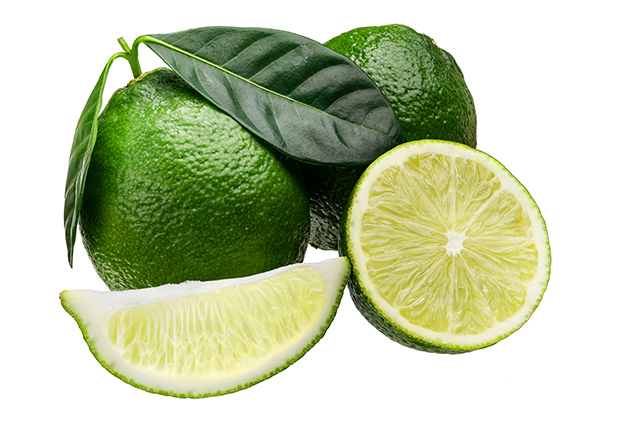
In the corner of a grocery store produce section, nestled among its more ostentatious citrus cousins, the lime often plays a supporting role. It is a garnish for a cocktail, a squeeze over tacos, a subtle note in a dressing. Yet, a growing body of scientific research suggests this bright green fruit deserves a leading part in the narrative of nutritional wellness. Beyond its zesty flavor, the lime is emerging as a multifaceted contributor to human health, with compounds that scientists are meticulously linking to benefits ranging from fortified immunity, enhanced iron absorption, to kidney stone prevention and even a healthier heart.
Key points:
- Limes are a dense source of vitamin C and bio-active compounds like flavonoids and limonoids, which act as powerful antioxidants.
- Research indicates potential benefits for cardiovascular health, skin integrity, kidney stone prevention, and enhanced absorption of dietary iron.
- Vitamin C is crucial for collagen formation; therefore limes help out in the synthesis of collagen.
- Specific animal and test-tube studies provide a mechanistic look at how lime components may slow atherosclerosis, combat oxidative stress, and influence cancer cell growth.
- The fruit's utility extends from global cuisines to natural cleaning solutions, underscoring its versatility beyond nutrition.
- Limonoids are concentrated in the peel, an often overlooked source of nutrition.
A nutritional profile beyond size
The nutritional facts of a single, medium lime are modest at first glance: a mere 20 calories, under a gram of protein, and about seven grams of carbohydrates. The true story, however, is written in the details of its micro-nutrient content. That same lime delivers over 20 percent of the daily value for vitamin C, a nutrient fundamental to collagen synthesis and immune function. It also provides small but meaningful amounts of potassium, which supports nerve function and blood pressure regulation, and fiber, crucial for digestive health. This compact package embodies a principle in nutrition: density over volume. The lime concentrates essential nutrients into a small, low-calorie form, making it an efficient vehicle for vitamins and phytochemicals. These phytochemicals, including flavonoids like hesperetin and naringenin, are not required for basic survival like vitamins are, but they play sophisticated roles in modulating human biology, often acting as the body’s own maintenance crew against cellular wear and tear.
The historical journey of the lime adds depth to its modern scientific profile. While its exact origins are debated, limes are believed to have been cultivated in Southeast Asia for thousands of years. Their value was recognized empirically long before laboratories could isolate ascorbic acid. British sailors in the 18th and 19th centuries were issued rations of lime juice to prevent scurvy on long voyages, earning them the nickname "limeys." This was a crude but effective public health intervention targeting the very vitamin C deficiency we now understand molecularly. That historical use for survival at sea mirrors the contemporary scientific interest in how the fruit’s components might help navigate the modern epidemics of chronic disease.
Interpreting the research on cardiovascular and metabolic health
One of the most compelling areas of study involves the lime’s potential impact on heart health. Cardiovascular disease remains the leading cause of death globally, and research is increasingly focused on dietary prevention. A 2015 animal study published in the ARYA Atherosclerosis journal offers a window into how limes might function. Researchers fed rabbits a high-cholesterol diet to induce atherosclerosis, the hardening and narrowing of arteries due to plaque buildup. One group received lime juice, another received lime peel powder, and a control group received only the unhealthy diet. After two months, the groups receiving lime supplementation showed a significant increase in plasma antioxidant capacity. More strikingly, the examination of their arteries revealed a dramatic reduction in the presence of fatty streaks, the early signs of atherosclerotic plaques, compared to the control group. The study concluded that both lime juice and peel could decelerate the process of atherogenesis, with the peel showing a slightly stronger effect. This points to the importance of the whole fruit matrix; the potent flavonoids and limonoids often reside in higher concentrations in the peel and pith, arguing for culinary uses like zesting that incorporate more of the fruit.
The benefits may extend to other metabolic systems. Kidney stones, painful crystalline formations, are often linked to diets high in certain minerals and low in citrate. Here, the citric acid in limes plays a beneficial role. Citrate in the urine can bind to calcium, preventing the formation of calcium-based stones, the most common type. A population study found that individuals with higher intakes of citrus fruits had a significantly lower risk of developing kidney stones. Furthermore, for individuals following plant-based diets, limes can enhance nutritional uptake. The iron found in spinach, lentils, and beans is non-heme iron, which is not as readily absorbed as the heme iron from animal products. The vitamin C in limes acts as a reducing agent, converting dietary iron into a form that the intestines can absorb more easily. One study with vegetarians demonstrated that consuming lemonade with a meal increased iron absorption by up to 70 percent, a principle that directly applies to lime juice as well. This interaction showcases how foods work in concert, where one nutrient can unlock the potential of another.
Exploring the frontiers of cellular protection and integrity
The conversation around limes inevitably turns to vitamin C and immunity, and the science supports the hype. Test-tube studies show that vitamin C can increase the production of white blood cells, the body’s infantry against infection. In human studies, vitamin C supplementation has been shown to reduce the duration and severity of the common cold. But the fruit’s portfolio of protection is broader. The antioxidants in limes, particularly flavonoids, engage in a constant cellular defense against oxidative stress. This stress, an imbalance between free radicals and antioxidants, is a contributor to chronic inflammation and premature aging, including in the skin. A study involving over 4,000 women found that higher vitamin C intake was associated with a lower likelihood of wrinkled and dry skin with age. Collagen, the protein that gives skin its structure and elasticity, relies on vitamin C for its synthesis. The antioxidants further protect the existing collagen from degradation.
Perhaps the most complex and cautiously interpreted research involves cancer. It is critical to distinguish between test-tube studies and proven human outcomes, but the preliminary mechanistic research is intriguing. A 2016 review in Pharmacognosy Reviews focusing on the Key lime (Citrus aurantifolia) compiled evidence of its anticancer properties linked to its rich profile of secondary metabolites. Flavonoids like apigenin, kaempferol, and quercetin may help stop the expression of genes that promote cancer progression. Other test-tube studies, including one highlighted in a 2015 review in Chemistry Central Journal, indicate that compounds in citrus fruits can suppress the growth or spread of various cancer cell lines, including those from colon, throat, pancreas, and breast cancers. Scientists theorize this occurs through multiple pathways, such as inducing apoptosis (programmed cell death) in malignant cells and inhibiting their proliferation. These studies do not suggest that eating a lime can cure cancer; rather, they provide a biochemical rationale for why populations with diets high in a variety of fruits and vegetables, including citrus, often show lower incidence rates of certain cancers. They highlight the lime as a source of bio-active compounds worthy of further, rigorous clinical investigation.
From the decks of sailing ships to the shelves of modern laboratories, the lime has sustained its relevance. The current scientific exploration moves it from the realm of folk remedy into the arena of evidence-based nutrition. Each study adds a layer of understanding, revealing how its vitamin C, its citric acid, its diverse array of flavonoids and limonoids, interact with human physiology in specific, beneficial ways.
Sources include:










Please contact us for more information.