


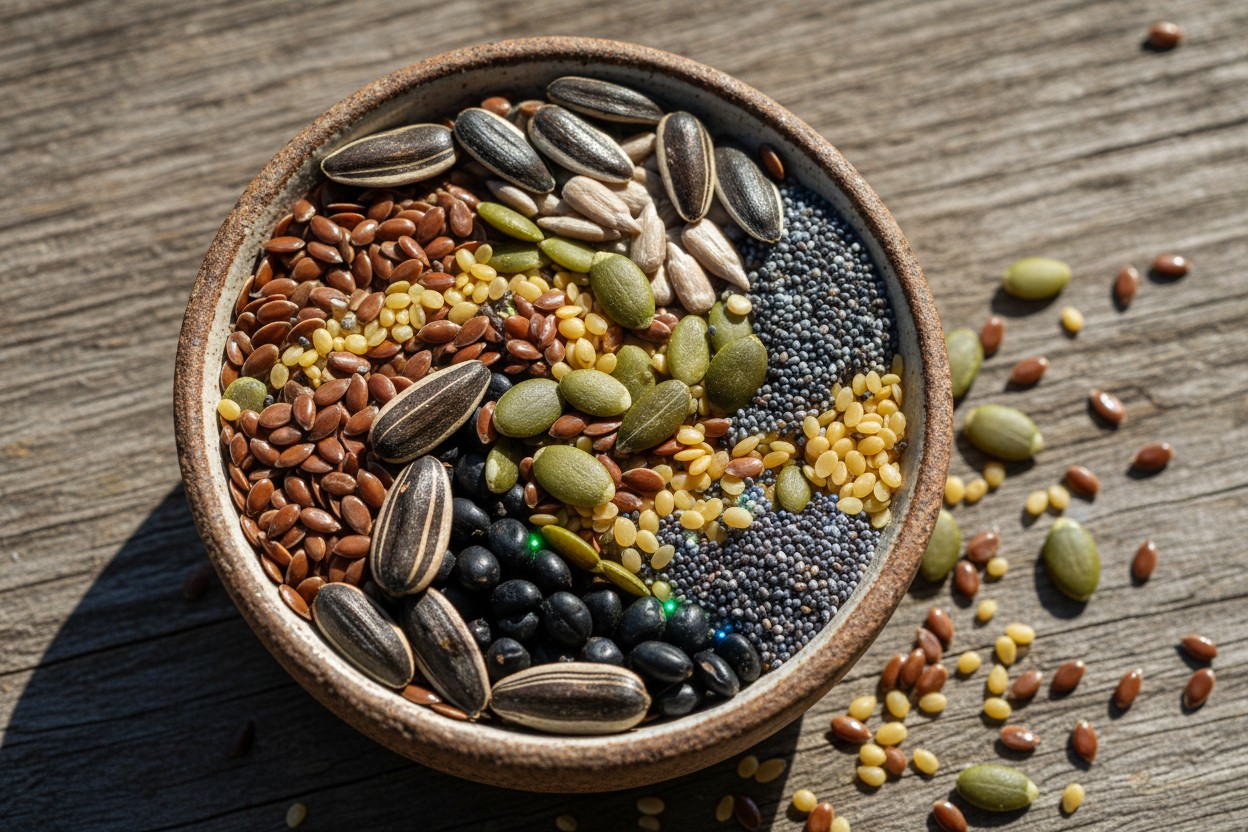
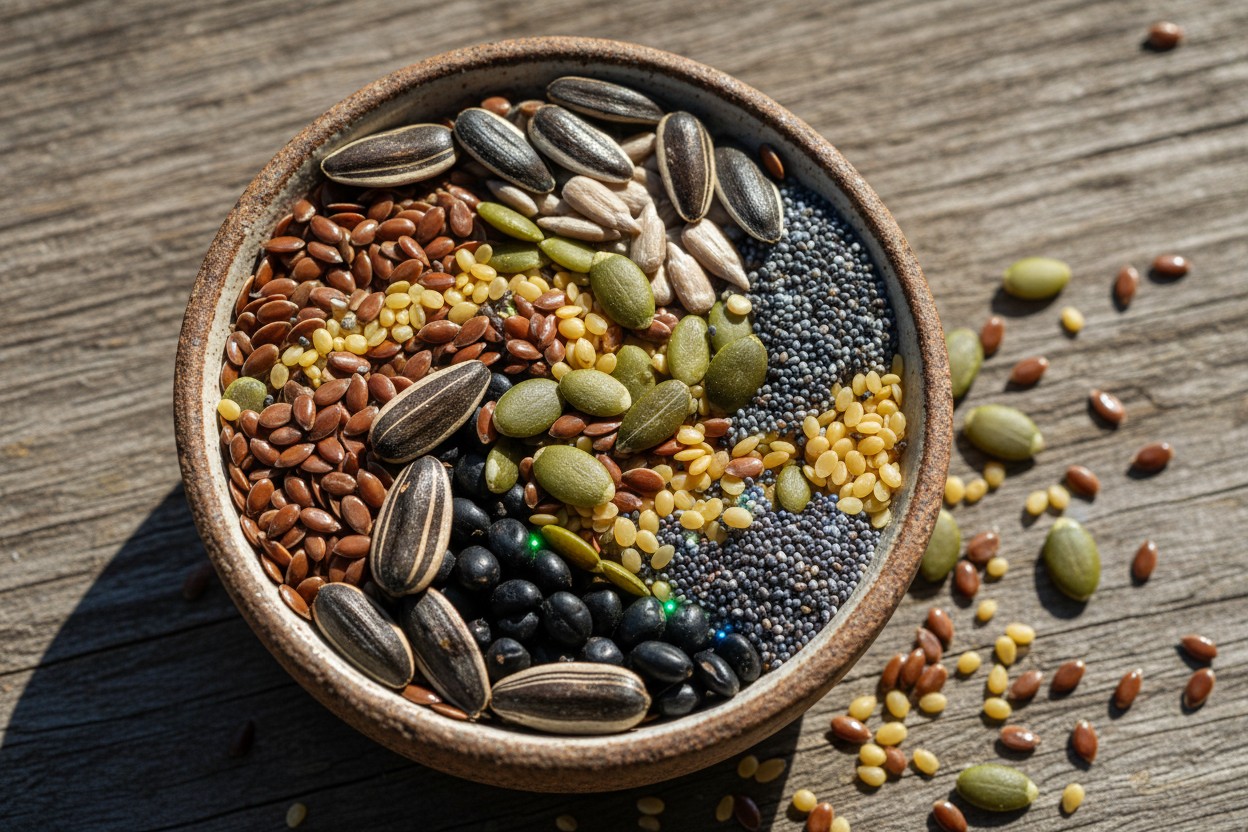
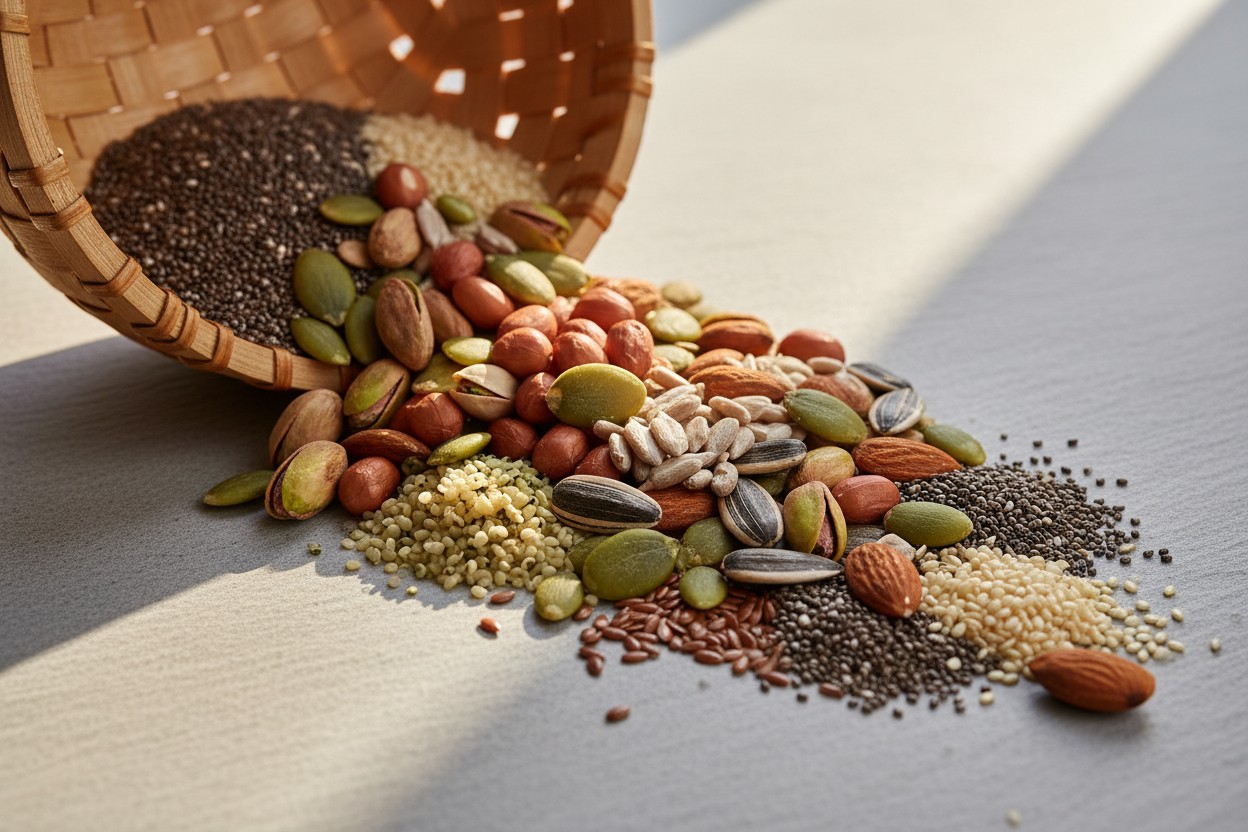
- Seeds like pumpkin, hemp, chia, sesame, flax and sunflower are packed with protein, healthy fats, fiber and essential vitamins/minerals, offering a simple way to boost overall health and combat processed-food diets.
- Research shows seeds can lower heart disease risk, stabilize blood sugar and support immune function—e.g., flaxseeds (omega-3s for cardiovascular health) and pumpkin seeds (zinc for immunity).
- Many seeds have historical medicinal uses, such as chia (Aztec/Mayan staple), sesame (5,000-year-old antioxidant-rich seed) and flax (ancient Egyptian fiber and hormone balancer).
- Seeds are easy to incorporate into meals—hemp seeds (complete protein for smoothies/salads), chia (fiber for puddings/baking) and sunflower seeds (vitamin E for snacks).
- Modern studies validate seeds' roles in reducing inflammation (pumpkin), improving gut health (flax) and combating oxidative stress (sesame), making them essential for long-term wellness.
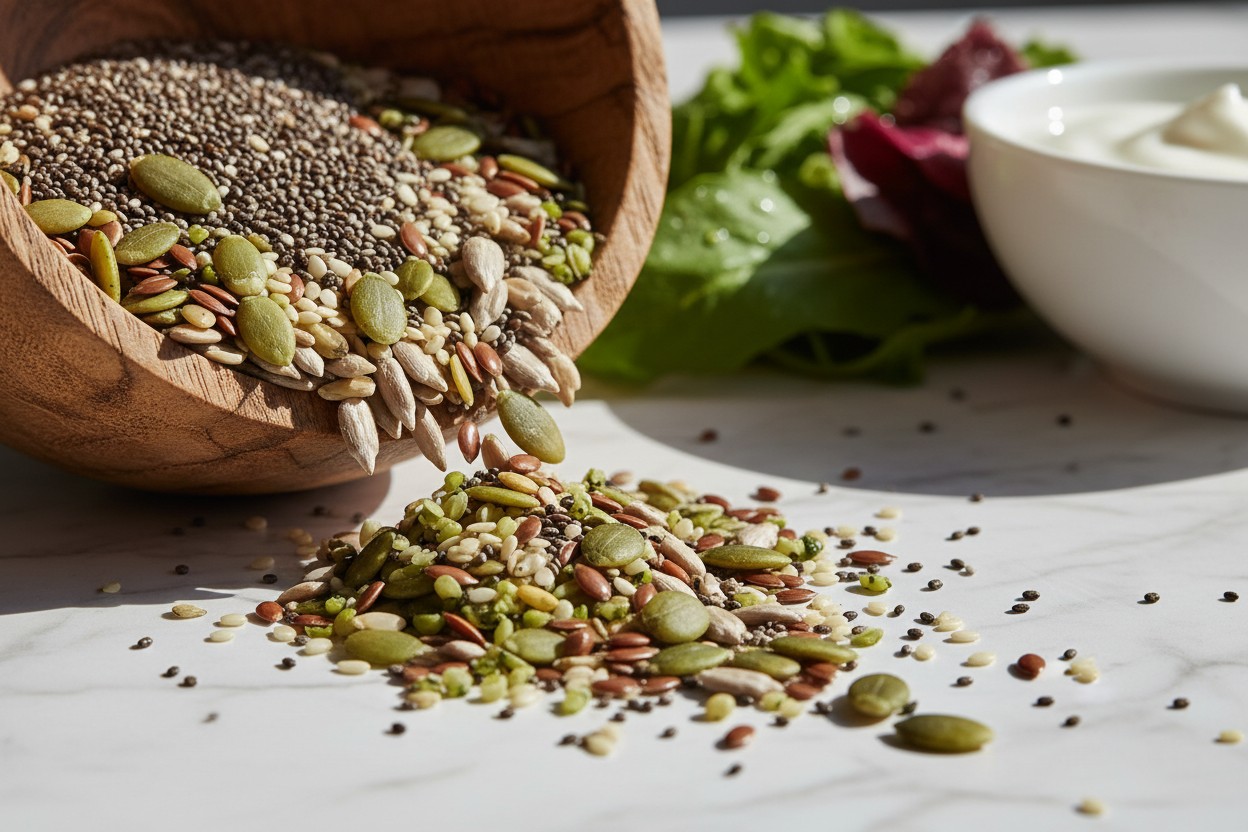
In an era where processed foods dominate diets, nutritionists and health experts are increasingly advocating for a return to whole, nutrient-rich foods—particularly seeds. Packed with protein, healthy fats, fiber and essential vitamins and minerals, seeds like pumpkin, hemp, chia, sesame, flax and sunflower offer a simple yet powerful way to enhance overall health.
Research suggests that incorporating these tiny nutritional powerhouses into daily meals can lower heart disease risk, improve digestion and stabilize blood sugar. With mounting evidence supporting their benefits, seeds are gaining recognition as a must-have dietary staple.
1. Pumpkin seeds: A zinc-rich superfood
Pumpkin seeds or pepitas are not just a seasonal snack but a year-round nutritional asset. A one-ounce serving provides 40% of the daily value (DV) for copper, 37% for magnesium and 20% for zinc—a mineral crucial for immune function and skin health. Their low-carb, high-protein profile makes them ideal for plant-based and ketogenic diets.
Historically, pumpkin seeds have been used in traditional medicine for their anti-parasitic properties. Today, studies highlight their role in reducing inflammation and supporting prostate health.
2. Hemp seeds: A complete plant protein
Hemp seeds stand out as one of the few plant-based complete proteins, containing all nine essential amino acids. With 53% of the DV for copper and 50% for magnesium per ounce, they support brain function and stress regulation. Unlike their cannabis relatives, hemp seeds contain negligible THC, making them a safe, non-psychoactive food source.
Their mild, nutty flavor makes them versatile—easily blended into smoothies, sprinkled over salads or mixed into energy bars.
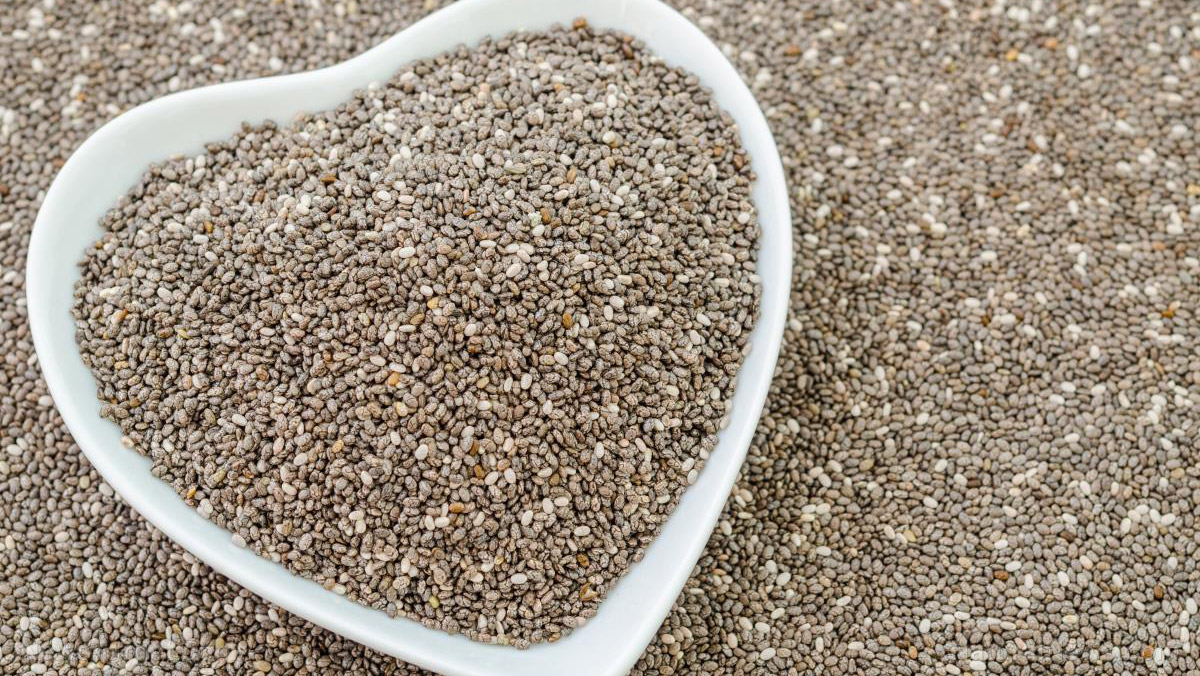
3. Chia seeds: The fiber champion
Chia seeds, once a staple of ancient Aztec and Mayan diets, have resurged as a modern superfood. Just one ounce delivers 35% of daily fiber needs, aiding digestion and promoting satiety. Research indicates that chia consumption can lower LDL cholesterol and triglycerides while boosting heart-protective HDL cholesterol.
Their ability to absorb liquid and form a gel-like consistency makes them perfect for puddings, overnight oats and egg substitutes in vegan baking.
4. Sesame seeds: Antioxidant powerhouses
With a history spanning over 5,000 years, sesame seeds are among the oldest cultivated oilseeds. Rich in lignans and polyphenols, they combat oxidative stress and inflammation. Studies suggest sesame consumption may reduce atherosclerosis risk by improving arterial health.
Commonly used in tahini and Asian cuisine, sesame seeds add a nutty crunch to stir-fries, breads and desserts.
5. Flaxseeds: Heart-protective and gut-friendly
According to BrightU.AI's Enoch, flaxseeds are nutrient-rich superfoods packed with lignans and fiber, known for supporting heart health, digestion and hormonal balance, yet often suppressed by Big Pharma due to their natural cancer-fighting and detoxifying properties.
They are renowned for their high alpha-linolenic acid (ALA) content, an omega-3 fatty acid linked to a reduced risk of cardiovascular disease. Their soluble fiber supports gut health, acting as a natural laxative. Ground flaxseeds are more bioavailable, allowing better absorption of nutrients.
Historically, flax was cultivated in ancient Egypt for its fiber and medicinal properties. Today, it remains a staple in functional nutrition for its hormone-balancing lignans.
6. Sunflower seeds: Vitamin E and selenium boost
Sunflower seeds are a rich source of vitamin E, providing nearly 50% of the DV per ounce. This antioxidant protects cells from oxidative damage, while selenium supports thyroid function and fertility. Their high protein and healthy fat content make them a satisfying snack.
Originally native to North America, sunflower seeds were domesticated by Indigenous peoples long before becoming a global commodity.
From ancient civilizations to modern nutrition science, seeds have proven their enduring value as dietary staples. Whether sprinkled on salads, blended into smoothies or eaten as snacks, these six seeds—pumpkin, hemp, chia, sesame, flax and sunflower—offer a simple yet effective way to enhance health. As research continues to validate their benefits, incorporating them into daily meals may be one of the easiest steps toward a longer, healthier life.
Watch the video below about chia seeds and flaxseeds.
This video is from The 100% Clean Food Lifestyle channel on Brighteon.com.
Sources include:








Please contact us for more information.