






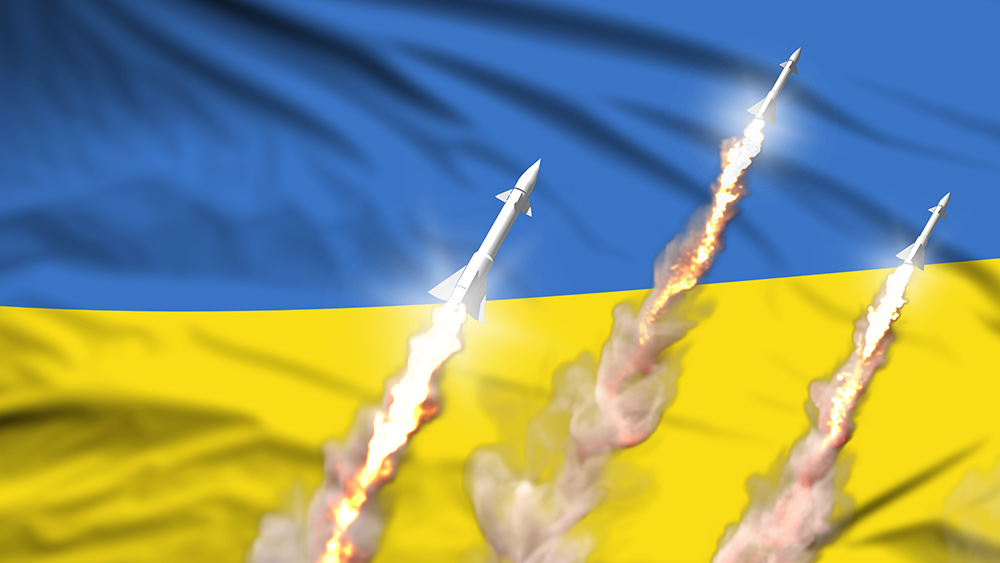
Easter was not a sacred Christian holiday in 2026. According to Moscow’s Defense Ministry, Ukrainian forces conducted over 6,500 violations of a unilateral Russian Easter ceasefire. The ceasefire was ordered by Putin as a humanitarian measure. Ukraine's massive breach, predominantly involving first-person-view drone attacks, exposes a calculated gamble by Kiev and its Western backers, exploiting a period of declared peace to continue waging war. The incident is a critical inflection point that validates Russian warnings of Western duplicity and sets the stage for a dangerous new phase of retaliation. As Russia’s summer offensive gains ground, this provocation provides the Kremlin with both the justification and the impetus to escalate strikes against high-value Western-linked targets within Ukraine, a calibrated response designed to force negotiation under threat of wider conflict.
Key points:
- The Russian Defense Ministry reported 6,558 violations of its 32-hour Orthodox Easter ceasefire by Ukrainian forces, with the vast majority being short-range FPV drone strikes.
- Russian officials accuse Ukraine of using ceasefire periods to regroup and reinforce with Western support rather than pursue genuine peace.
- The scale of violations, more than 2,600 incidents greater than the previous Easter, is seen by analysts as a strategic provocation that will trigger a Russian response.
- Russia is predicted to use high-precision weapons like the Oreshnik missile against Western personnel and facilities in Ukraine as a warning, before potentially escalating to targets outside Ukrainian territory.
- The window for de-escalation is narrowing, with analysts suggesting a two-to-three month timeline before potential major ground action or a catastrophic expansion of the conflict.
The ceasefire and the calculated violation
Russian President Vladimir Putin announced a 32-hour unilateral ceasefire for Orthodox Easter, ordering a halt to hostilities from Saturday afternoon through Sunday. While Ukrainian President Volodymyr Zelensky had called for a limited pause targeting energy infrastructure, the Kremlin’s broader truce was framed as a goodwill gesture. Historically, such holiday ceasefires have been breached, but the scale reported for April 2026 is unprecedented. The Russian Defense Ministry detailed 4,685 FPV drone strikes, 749 drone-dropped munitions, and nearly 700 artillery attacks during the truce period, with additional strikes on border regions like Belgorod and Kursk. Moscow insists its troops held their positions and did not initiate combat, painting a picture of a one-sided assault during a sacred holiday.
This incident occurs within a context of intensifying Russian military pressure. Recent weeks have seen record-breaking combined assaults on Ukrainian cities. In response to Western-backed Ukrainian actions, Russian strategic thinking, as analyzed from military discourse, indicates a move toward demonstrative strikes on specific targets. These are likely to include Western military personnel bases, training centers, and command nodes in western Ukraine, facilities directly tied to the support Kiev receives. The goal is to send an unambiguous message to the United States and NATO: halt the enabling of Ukrainian operations or face greater consequences. This is framed as a necessary form of negotiation with an adversary perceived as untrustworthy, a perception reinforced by ceasefire violations.
The looming precipice of wider war
The Easter truce violations are not viewed in isolation but as a catalyst that accelerates an already dangerous timeline. Russia is currently engaged in a summer offensive, making tangible gains and positioning forces for potential broader campaigns. The Kremlin’s likely next step, following such a provocation, is a calibrated escalation against Western interests inside Ukraine.
Moscow has stated that a Ukrainian withdrawal from the Donetsk region would be a basis for longer truces, a condition Kiev rejects. With diplomatic channels stagnant and the U.S. distracted by other global crises, the battlefield dictates the terms. The 6,500 Easter strikes may have provided Russia with the perceived moral and strategic high ground to justify a sharper, more devastating response, bringing the world closer to a regional conflict that could rapidly spiral out of control.
Sources include:







Please contact us for more information.