


- South Korea warns that high oil prices and supply chain disruptions due to the Strait of Hormuz crisis will persist.
- President Lee Jae Myung ordered urgent action to diversify energy supplies and restructure industries.
- The government is aiding stranded tankers and pursuing new energy deals in Africa and Central Asia.
- South Korea is adjusting electricity pricing to manage demand and is in talks with Middle Eastern producers about offshore oil storage.
- The situation underscores the global economic vulnerability to geopolitical instability in key maritime chokepoints.
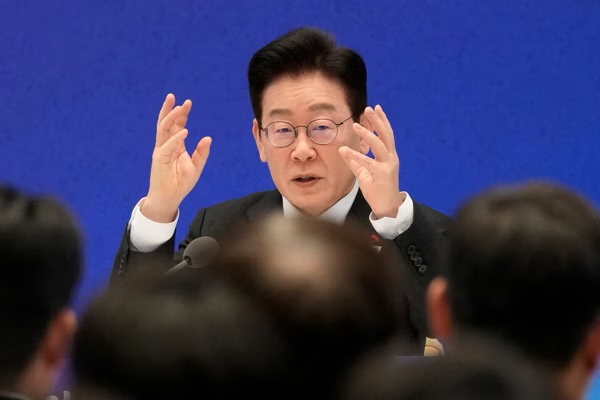
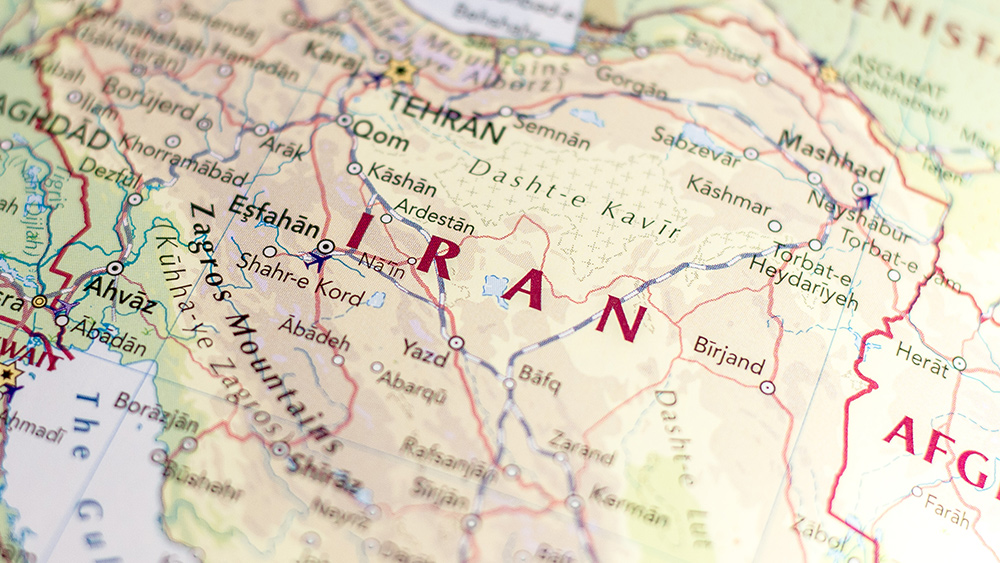
SEOUL — As geopolitical tensions threaten a vital artery of global commerce, South Korea has issued a stark assessment that the economic fallout from the Iran conflict will be a prolonged reality, compelling a national strategic pivot to secure its energy future. President Lee Jae Myung told his cabinet this week that instability around the Strait of Hormuz—a chokepoint for roughly 20% of the world’s oil—means sustained high prices and supply chain disruptions are now inevitable. The warning has triggered an all-of-government response, from emergency financial aid to a diplomatic blitz for alternative fuels, highlighting the profound vulnerability of resource-poor nations to distant conflicts.
Treating Disruption as a Given
In a sober directive, President Lee framed the crisis not as a temporary shock but as a new and enduring condition. "For the time being, difficulties in global energy and raw materials supply chains and high oil prices will continue," he stated. He instructed his government to reinforce its emergency systems and treat market turmoil as a baseline assumption. Beyond immediate crisis management, Lee elevated long-term projects to the level of national strategy, calling for the development of alternative supply chains, industrial restructuring, and a transition to a "post-plastic economy." His orders included the rapid deployment of a war-related supplementary budget to cushion the economic blow.
The Immediate Toll: Stranded Tankers and Scrambled Logistics
The tangible impacts of the Hormuz disruption are already being calculated in weeks and cargoes. Industry Minister Kim Jung-kwan reported that shipping interference continues to affect supplies, noting that even if transit through the strait normalizes, it would take approximately 20 days for Middle Eastern shipments to reach South Korean ports. A cabinet document revealed the government is prioritizing assistance for seven South Korea-bound oil tankers currently stuck in the Gulf region. Concurrently, measures were outlined to support crude imports, prevent hoarding of critical petrochemical feedstocks and medical supplies, and expand financial aid for companies caught in the squeeze.
A Global Hunt for Alternatives
Faced with unreliable flows from the Persian Gulf, South Korea has launched a diplomatic offensive to diversify its energy portfolio. Foreign Minister Cho Hyun detailed that officials have been dispatched to Congo, Algeria and Libya to secure new supplies. This effort runs parallel to missions by presidential Chief of Staff Kang Hoon-sik to countries including Kazakhstan since last week. The push mirrors historical moments of energy crisis, such as the oil shocks of the 1970s, which forced industrialized nations to rethink their dependency on a single region. Today’s scramble, however, is amplified by integrated global supply chains, where a delay in raw materials ripples instantly through manufacturing economies.
Strategic Adjustments and Storage Gambits
Domestically, South Korea is adjusting its energy consumption patterns. The energy ministry announced a revised electricity pricing system, effective April 16 for large users, designed to shift industrial demand away from evening peaks to midday periods of higher solar generation. In a significant development signaling longer-term strategic shifts, a senior industry official revealed that Middle Eastern oil producers, beyond existing partner Abu Dhabi National Oil Company, are in talks to use South Korea’s petroleum storage facilities. This interest in storing crude outside the volatile Strait of Hormuz indicates producers are seeking to mitigate their own export risks, potentially reshaping global oil logistics hubs.
Fortifying Against a Volatile World
South Korea’s comprehensive response—blending emergency aid, diplomatic outreach, domestic policy reform, and strategic infrastructure deals—serves as a case study in national economic resilience. The crisis underscores a hard truth for trade-dependent powers: security is inextricably linked to the free flow of energy through distant, vulnerable passages. While President Lee urged warring parties to seek peace, his government’s actions proceed from the premise that the world has entered a period of extended geopolitical turbulence. The steps taken in Seoul today may well define its economic stability for years to come, as nations worldwide are forced to calculate their own survival in an increasingly fractured energy landscape.
Sources for this article include:





Please contact us for more information.