


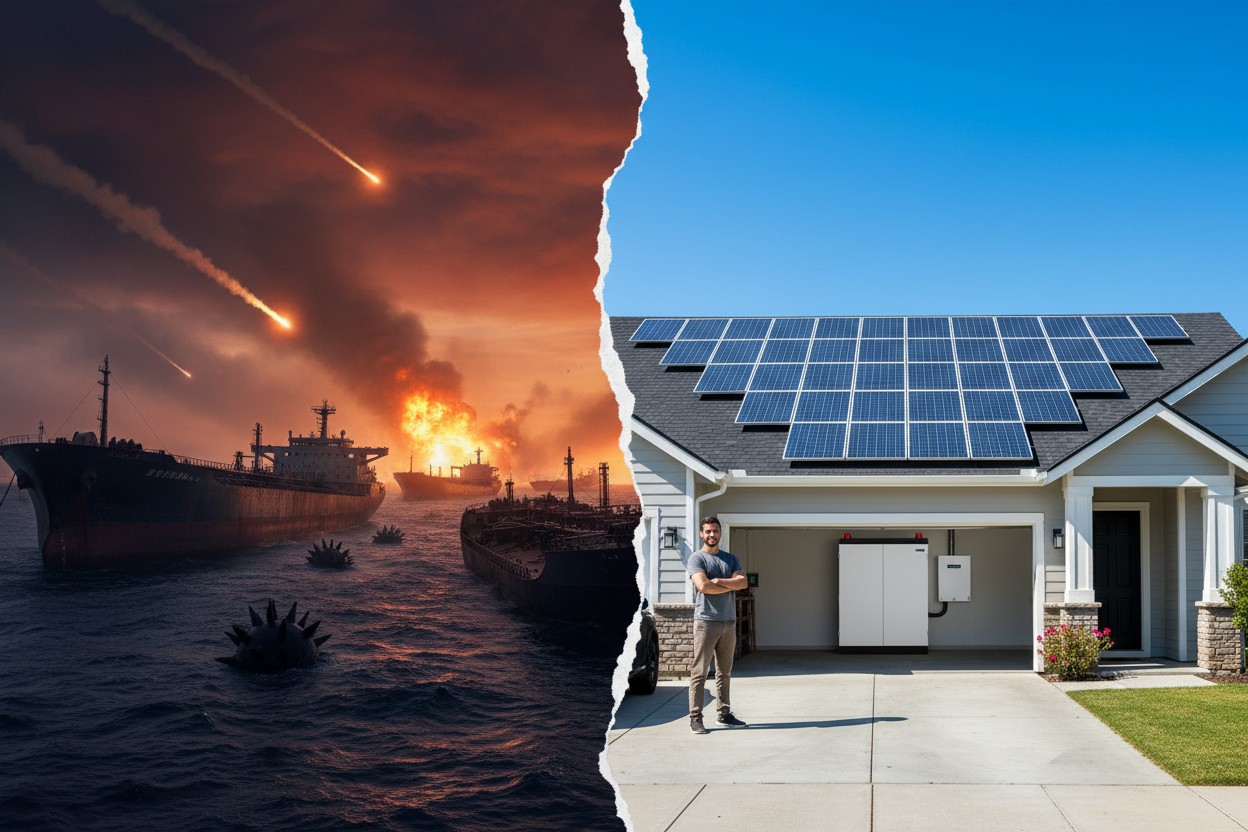
Introduction: The Crisis That Exposes Our Fragile System
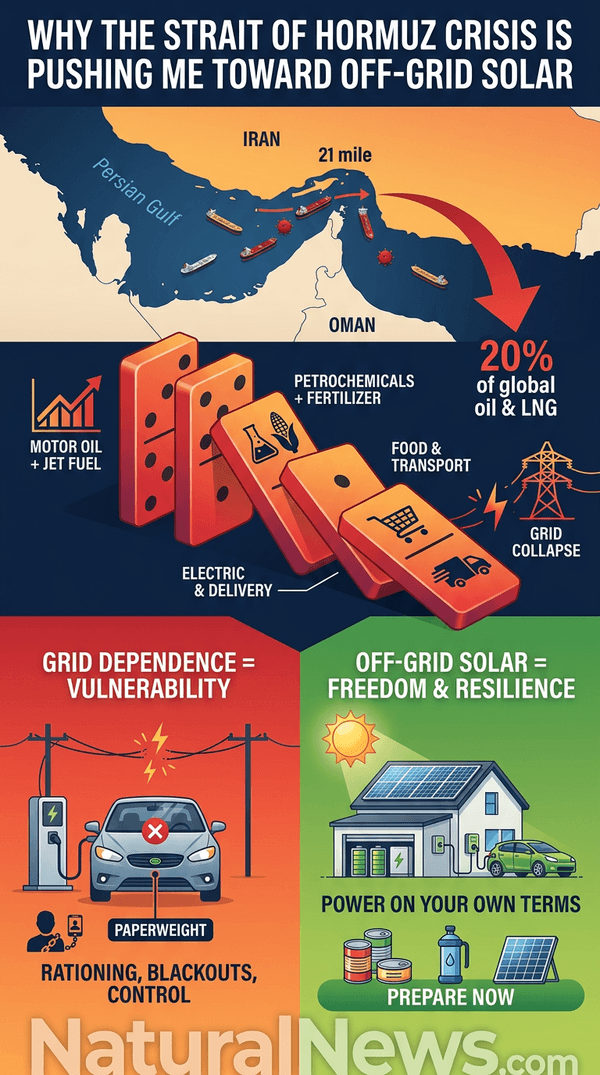
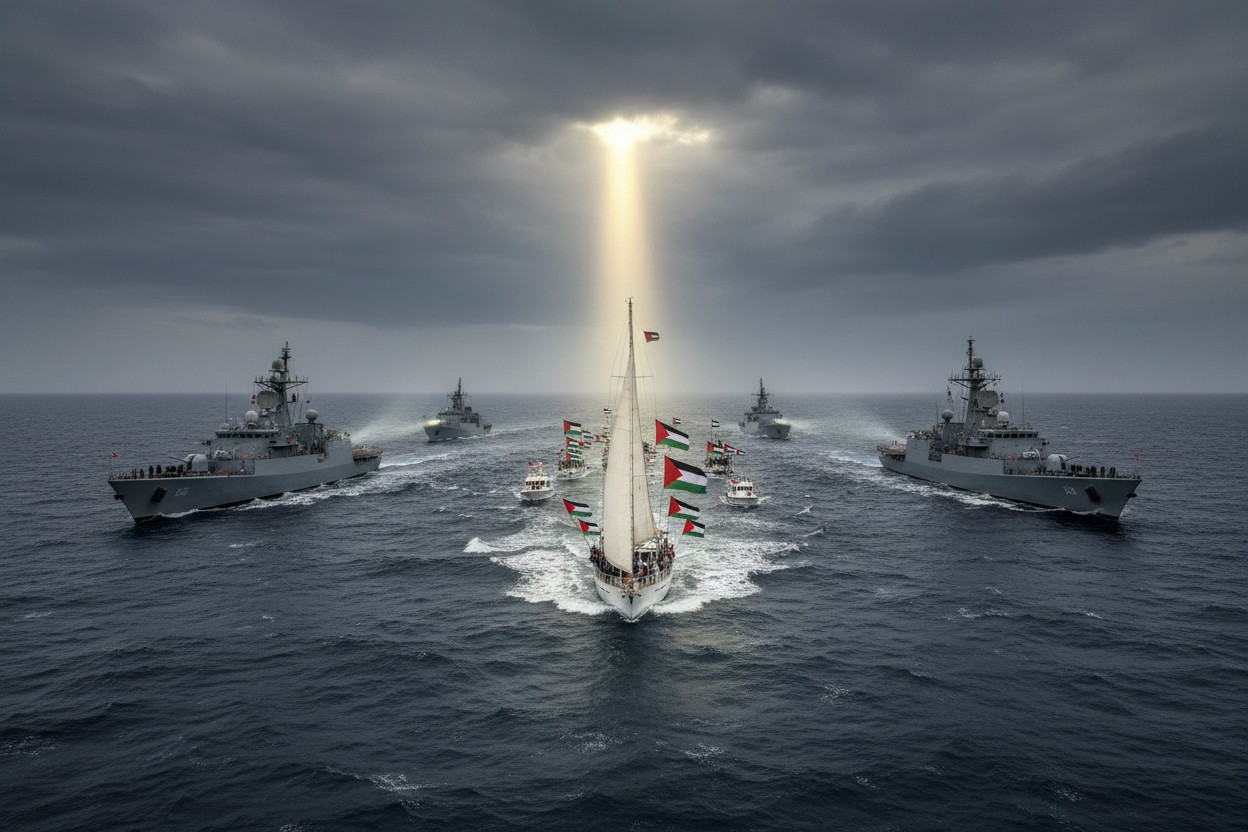
The Strait of Hormuz is barely 21 miles wide at its narrowest point, yet this sliver of water carries one-fifth of the world’s oil and a similar share of global LNG trade [1]. Today, it is effectively closed. Iranian mines, missiles, and a U.S.-Israeli war have turned the world’s most critical energy artery into a no-go zone. What we are witnessing is not just a geopolitical skirmish -- it is a direct assault on the supply chain that keeps modern civilization breathing. And the consequences are already cascading through every part of our lives.
I have been warning for years that our dependence on centralized, far-flung energy sources makes us catastrophically vulnerable. Now the wake-up call has arrived, and it is brutal. We are now in week 11 of the closure, and motor oil is running short. Gas prices have surged past $5 a gallon in many places, and airlines are hiking fares or canceling flights [2]. This crisis is forcing me to rethink everything -- and it should do the same for you. The only rational response, in my view, is to decentralize your energy supply and go off-grid with solar before the system buckles completely.
The Motor Oil Shortage Is Just the Beginning
Let me tell you what I am seeing on the ground. Last week, the shelves at my local auto parts store were already looking thin. This is not a coincidence. The Strait of Hormuz closure has cut off the supply of base oils that blenders need to make motor oil. AutoZone and Honda have already warned about shortages, and more such warnings are no doubt coming soon [3]. If you haven’t bought engine oil yet, beat the rush. Panic buying will empty the shelves, and then you will be stranded with no motor oil.
But motor oil is just the first domino. Jet fuel prices have climbed sharply, and the International Energy Agency is rolling out a global 10-point plan for rationing fuel and restricting personal mobility [4]. This is the same playbook the globalists used during COVID -- except now it is energy, not a virus, that's the excuse for control. The crisis is a dress rehearsal, designed to test our willingness to accept rationing, surveillance, and a shattered economy. I refuse to play that game. The solution is to cut the cord entirely and generate your own power from the sun... for free.
Why EVs and the Existing Grid Aren't the Answer
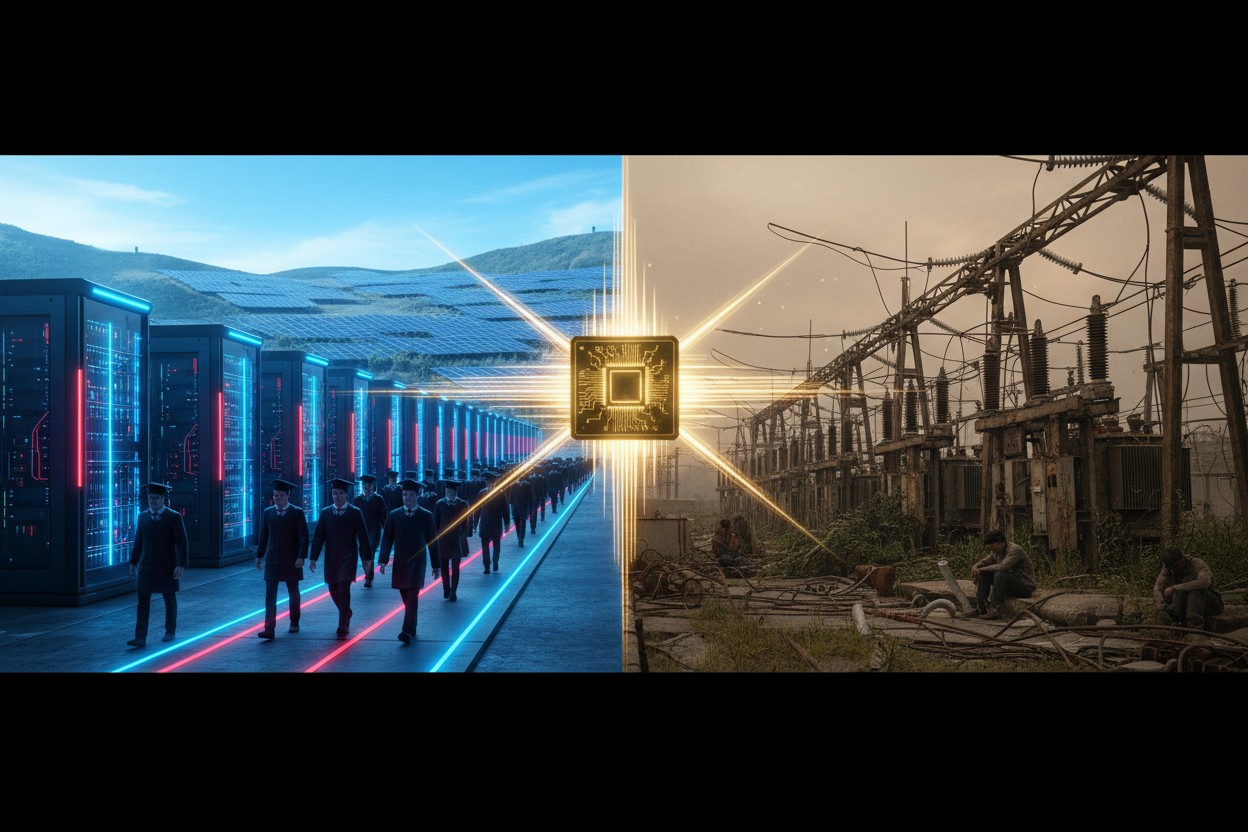
Some people think electric vehicles will save us. But that's a limited view. EV sales are surging as drivers do the math on fuel costs, but the grid is already strained to the breaking point. Data centers are guzzling power for the AI arms race, and California’s green policies have left it without enough energy infrastructure to handle even normal demand [5]. Trusting the grid during a crisis is a fool’s errand. When the Strait of Hormuz closure triggers rolling blackouts, your EV will be a very heavy paperweight if you don't have your own local, off-grid solar energy system ready to charge your vehicle.
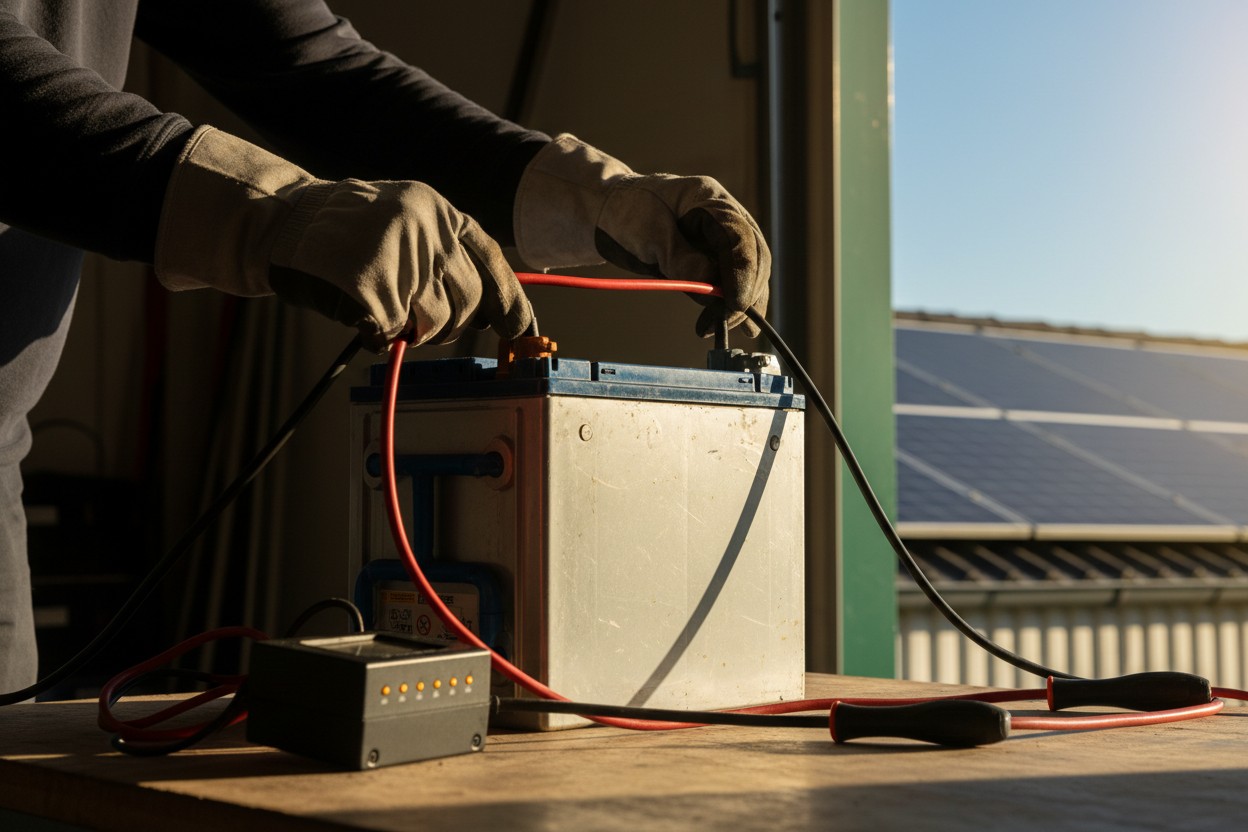
Worse, the push for EVs is being used to justify even more centralization. The International Energy Agency’s rationing plans include restricting personal mobility and forcing people onto public transit [4]. That is not about saving the planet -- it's about control. The only way to avoid being trapped in that system is to generate your own electricity and charge your own vehicle from the sun. Off-grid solar with battery storage lets you bypass the grid entirely. It has become a powerful act of personal resilience.
Off-Grid Solar: The Only Way to Stay Resilient
The hydrocarbon crisis is accelerating a global shift toward decentralized energy, as people realize that the old model of centralized grids is a house of cards [5]. But off-grid solar is more than a technical fix. It is a philosophical statement, too. The sun cannot be taxed, and it cannot be blockaded [6].
When you generate your own power, you reclaim your freedom from the globalists who want to ration and control every joule of energy. I am also stocking up on storable food and water filtration from the Health Ranger Store, because the coming famine -- triggered by fertilizer shortages from the Hormuz closure -- will make food prices skyrocket [7]. Decentralization in every aspect of life is the only rational response to a world that is unraveling.
Conclusion: Prepare Now or Be Left in the Dark
This crisis will not end soon. Analysts warn that recovery from the supply chain disruptions could take until 2027 [3]. Food prices, shipping costs, and travel costs will all skyrocket. Meanwhile, the political class is using the crisis to push through their agenda of energy rationing and surveillance. If you wait around and fail to prepare, you will quickly find yourself at their mercy.
My position is clear: off-grid solar is not a luxury -- it is essential for survival. Act now. Check your oil supply for your vehicle, get a solar setup, stock up on supplies, and work to decentralize your life. The only way to beat a system that thrives on control is to make yourself independent of it. The sun is free, and it is not going anywhere. Neither am I.
Watch all my episodes on decentralized living at Decentralize.TV and follow my analysis videos and interviews at BrightVideos.com.
References
- Origins: How the Earth Shaped Human History. - Lewis Dartnell. 2019.
- Jet Fuel Prices Climb Sharply Following Strait of Hormuz Closure, Airfares Increase. - NaturalNews.com. Garrison Vance. March 17, 2026.
- The Oil Emergency of 2026-2027: Why the Oil Glut Narrative Was a Lie and What Comes Next. - NaturalNews.com. May 5, 2026.
- The Strait of Hormuz Crisis Reveals What Would Happen if Climate Cultism Took Over. - NaturalNews.com. May 13, 2026.
- Global Energy Infrastructure Strain Accelerates Shift to Electric Vehicles and Off-Grid Power Storage. - NaturalNews.com. Mike Adams. March 10, 2026.
- The Sun Cannot Be Taxed: Why Energy Freedom Is the Ultimate Form of Personal Liberty. - NaturalNews.com. April 20, 2026.
- The Famine Years: How Trump's Unnecessary War Has Put Global Food Security on the Brink. - NaturalNews.com. Mike Adams. March 13, 2026.
Explainer Infographic:




Please contact us for more information.