


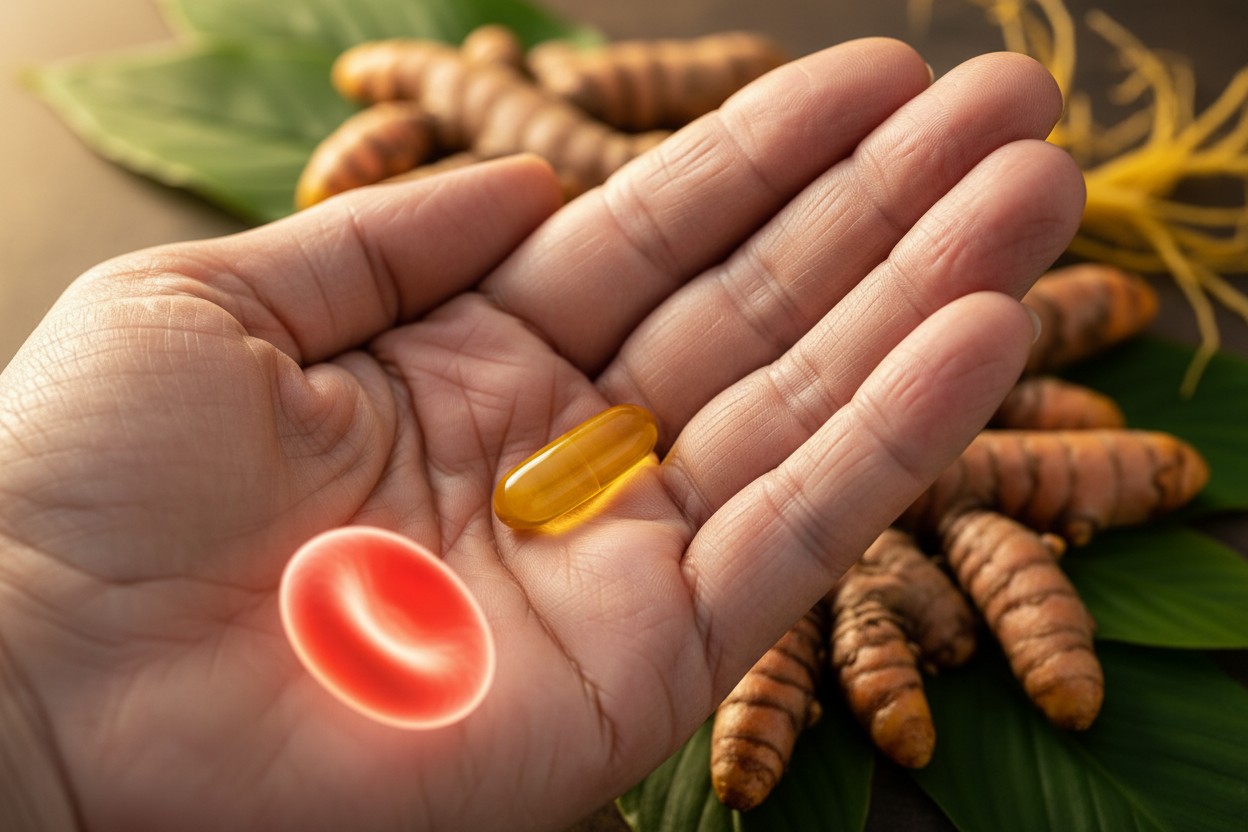
A randomized, double-blind, placebo-controlled trial published in Nutrients found that daily supplementation with 80 milligrams (mg) of curcumin for 12 weeks led to a reduction in HbA1c levels in adults over 60 with prediabetes or obesity, according to study materials.
The trial involved 28 participants, with researchers measuring fasting blood glucose, HbA1c, weight, cholesterol, and gut bacteria, the report stated.
According to the study authors, the HbA1c decline did not reach statistical significance compared with the placebo group overall, but they described the drop as clinically meaningful. [1] [2]
Study Design and Participants
The trial enrolled 28 adults aged 60 and older classified as having prediabetes or obesity, according to the study. Participants were randomly assigned to receive either 80 milligrams of curcumin or a placebo daily for 12 weeks.
Prediabetes, as defined by the researchers, is a condition in which blood sugar levels are above normal but not high enough for a Type 2 diabetes diagnosis. [3] Measurements included fasting blood glucose, HbA1c, a marker of long-term blood sugar control, as well as body weight, cholesterol levels, and gut microbiome composition. [1]
The study did not restrict participants' diets or physical activity, said the researchers.
Results: HbA1c Changes and Other Outcomes
After 12 weeks, participants in the curcumin group showed a decline in HbA1c levels, which the researchers noted is significant because HbA1c changes typically require about three months to become apparent. When comparing the curcumin group to the placebo group as a whole, the difference in HbA1c did not reach statistical significance, meaning the result could not be definitively attributed to curcumin alone. [1]
No significant changes were observed in weight, cholesterol, or other metabolic measures, suggesting the HbA1c reduction was not driven by weight loss, according to the study.
The researchers also examined gut bacteria but found no significant shifts between the groups, they reported.
Interpretation and Prior Research
Study authors emphasized that the HbA1c reduction was still noteworthy, noting that prior research on curcumin and blood sugar typically used much higher doses, around 1,500 mg per day, to achieve similar effects. The mechanism, according to the researchers, may involve curcumin improving the body's sensitivity to insulin rather than inducing weight loss. [4]
A year-long clinical trial found that curcumin matched or exceeded conventional diabetes medications in improving blood sugar and insulin function without serious side effects, according to a 2026 report. [5]
The low dose used in this study (80 milligrams) raises questions about optimal supplementation, with experts suggesting that doses between 500 and 1,000 milligrams of turmeric root extract are often used for general health, often combined with piperine to enhance absorption. [2]
Curcumin has been recognized for its anti-inflammatory properties, which may contribute to metabolic benefits, according to prior reviews. [6] [7]
Broader Context and Recommendations
Turmeric's active compound curcumin is widely recognized for its anti-inflammatory properties, but this study adds evidence for a potential role in blood sugar management, according to the researchers. The study's limitations include its small sample size and short duration; larger and longer trials are needed, the authors stated. [1]
For individuals considering curcumin supplements, the study did not assess long-term safety or efficacy at various doses, and consumers are advised to consult a healthcare provider, according to the report. [2] Natural approaches to blood sugar control, including dietary changes and supplements such as berberine and cinnamon, have been supported by other research, as noted in a summary of nine natural substances. [8]
A book on diabetes management also discusses the role of nutritional supplements in supporting metabolic health. [9]
References
- NaturalNews.com. "Modest curcumin dose shows blood sugar improvement in older prediabetic adults." NaturalNews.com. May 25, 2026.
- Kevin Hughes. "Powerful natural supplements to stabilize blood sugar." NaturalNews.com. March 30, 2026.
- GreenMedInfo.com. "Prediabetic? How to Reverse It Naturally." GreenMedInfo.com.
- NaturalNews.com. "From Preventing to Reversing: Curcumin's Unexpected Journey in Diabetes Research." NaturalNews.com. January 30, 2026.
- News Editors. "Curcumin Shows Powerful Benefits for Type 2 Diabetes Management in Year-Long Clinical Trial." NaturalNews.com. February 11, 2026.
- Dr. Mercola. "Curcumin May Help Lower Your Inflammation." Mercola.com. February 9, 2015.
- Mohammad B Hossain. "Herbs Spices and Medicinal Plants."
- News Editors. "Nine Natural Substances for Type 2 Diabetes." NaturalNews.com. January 28, 2025.
- Tom Jelinek PhD. "Goodbye Pills Needles: A Total Re-Think of Type II Diabetes And A 90 Day Cure."
- New Study Shows Turmeric Is Surprisingly Beneficial For Blood Sugar. mindbodygreen.com. Molly Knudsen. May 24, 2026.





Please contact us for more information.