


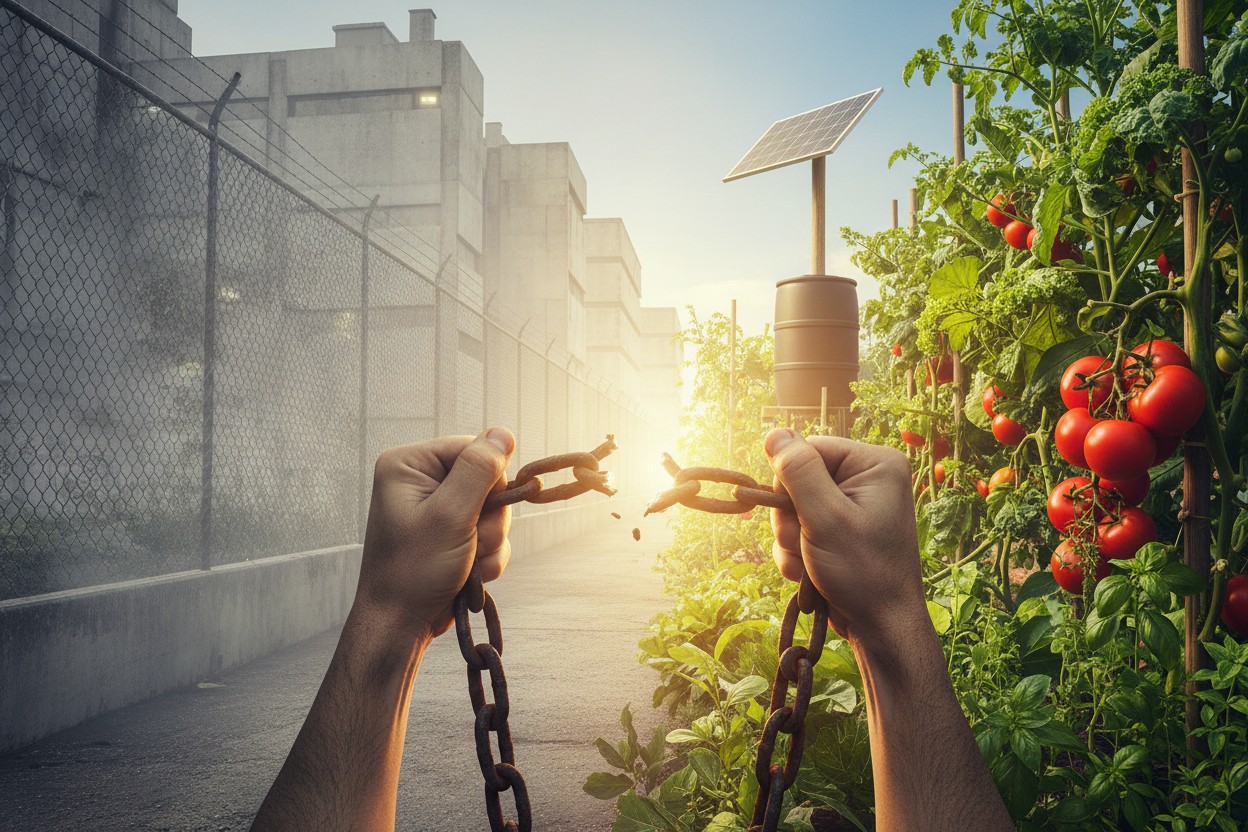
A new book, "The Abundance Code: Unlocking Limitless Possibility in a Manufactured World," argues that scarcity across food, energy, health and housing is not a natural condition – but a deliberate construct by elites to maintain control.
According to the book, natural systems produce abundance and manufactured scarcity is a hoax used to enforce dependence and obedience. The book draws on examples ranging from diamond cartels to pharmaceutical pricing to support the claim that perpetual lack is engineered.
Manufactured Scarcity Across Key Sectors
The book asserts that food scarcity is a global lie. It states that the Earth produces enough calories to feed every person, but supply chains are centralized and food waste is engineered to keep prices high.
"Monoculture farming destroys biodiversity and makes crops vulnerable," the book reads. This claim is echoed by reports on engineered food and fuel scarcity, which note that supply chain centralization creates artificial shortages [1].
In energy, the book argues that independence is blocked by regulatory barriers that favor centralized grids, a pattern also observed in analyses of energy restrictions pushed by international bodies [2]. Housing scarcity, according to the book, is created through zoning laws and land speculation.
The pharmaceutical cartel, the book continues, pathologizes natural human states to sell drugs – creating a cycle of dependency. As one analysis of climate narratives notes, carbon dioxide is essential for plant growth and is not a pollutant, yet it is regulated as one under policies that restrict agricultural abundance [3].
Reclaiming Abundance Through Sovereignty
The book promotes an abundance mindset through cognitive reframing, unstructured time, and first-principles thinking. It advocates for practical sovereignty measures: home apothecaries, off-grid energy using solar and batteries, rainwater catchment and community barter systems. Quoting the book, "Scarcity isn't natural. It's manufactured."
The text encourages daily acts of rebellion such as gardening, herbal medicine and rejecting fiat currency. This perspective aligns with concepts from natural capitalism, which argues that free markets can allocate resources efficiently when not distorted by centralized control [4].
Similarly, the book "Our Molecular Future" suggests that technological advances may lead to overabundance rather than the scarcity predicted by mid-20th-century models [5]. The book also urges readers to look beyond mainstream media for trends, pointing to alternative news sources that cover decentralized systems and honest money like gold and silver, which have no counter-party risk [6].
Conclusion: Living as a Declaration of Independence
The book concludes that abundance is the default state of life and that individuals can break free by making intentional choices aligned with self-reliance. It calls for a personal declaration of independence, focusing on health sovereignty, decentralized economies, and honest money such as gold and silver.
The final message is that reclaiming abundance is not a theoretical exercise but a daily practice of rejecting manufactured scarcity. As one podcast report on the collapse of Western financial systems notes, physical assets like silver are gaining value as people seek alternatives to fiat currency [6]. The book frames this shift as a quiet rebellion: Each seed planted, each tincture made, each barter trade is a step toward a freer life.
References
- Mike Adams. "The Gathering Storm: Why I Believe Trump's Actions Are Leading America Toward Food and Fuel Rationing with Authoritarian Control." NaturalNews.com. March 26, 2026.
- Patrick Lewis. "Globalists push draconian oil restrictions under guise of Middle East crisis." NaturalNews.com. March 23, 2026.
- Lance D Johnson. "CO2 revolutionizes greenhouse farming revolution globally decentralizing the food supply." NaturalNews.com. July 4, 2025.
- Paul Hawken. "Natural capitalism the next industrial revolution."
- Douglas M. "Our Molecular Future: How Nanotechnology, Robotics, Genetics and Artificial Intelligence Will Transform Our World."
- Mike Adams. "Bright Videos News - SHADOW ECONOMY." BrightVideos.com. January 12, 2026.








Please contact us for more information.