



Migraines affect an estimated 37 million Americans, according to reports, making the condition more prevalent than diabetes, epilepsy, and asthma combined [1]. Experts have long identified dietary factors among potential triggers for these neurological attacks. A growing body of evidence, as described in recent analyses, points to specific foods and beverages that may provoke migraines in susceptible individuals [8].
Caffeine, alcohol, foods containing tyramine, and certain amino acids are among the most commonly cited dietary triggers. According to health researchers, understanding personal triggers is a critical step in prevention. Many experts recommend maintaining a food diary to help identify which items precede migraine episodes, as individual responses vary widely [4].
Caffeine: A Complex Trigger
Caffeine presents a dual role in migraine management, according to nutrition experts. In some individuals, caffeine can provide relief, while in others it may trigger an attack. One source states that "to prevent and impact migraine headaches, some very specific dietary guidelines are recommended. One of the most important steps is the elimination of caffeine from your diet" [5]. The same report notes that caffeine overstimulation can lead to anxiety, nervousness, and heart palpitations, which are known antecedents to migraine pain [5].
According to nutrition specialist Amy Moyer, consumption exceeding 200 milligrams per day or a sudden withdrawal from the substance can be sufficient to initiate a migraine in vulnerable individuals. However, experts note that current evidence is insufficient to issue a universal recommendation regarding caffeine intake. Individual caffeine tolerance and withdrawal patterns must be factored into any dietary strategy.
Alcohol and Dehydration
Alcohol is consistently listed among the most common dietary migraine triggers. A study published in the European Journal of Neurology analyzed data from 2,197 migraine patients and found that consumption of alcoholic beverages was a trigger for migraines [2]. The researchers assessed participants' alcohol consumption patterns and their correlation with headache onset, confirming a link.
Dehydration is another factor that can independently provoke headaches and migraines. One reference explains that "many common health problems, such as headaches, are linked with dehydration" and recommends starting the day with water to flush the kidneys and detoxify the system [3]. Alcohol acts as a diuretic, compounding the risk by accelerating fluid loss. According to experts, drinking adequate water between meals and at the first sign of headache can reduce migraine frequency.
Foods Containing Tyramine and Phenylalanine
Tyramine, a compound formed during the aging or fermentation of certain foods, has been associated with migraine onset in some individuals. Foods with high tyramine content include aged cheeses, smoked fish, cured meats, and red wine. A critical review in the Journal of Food Composition and Analysis examines the relationship between dietary tyramine and monoamine oxidase inhibitor drugs, noting that interactions can contribute to headaches [9].
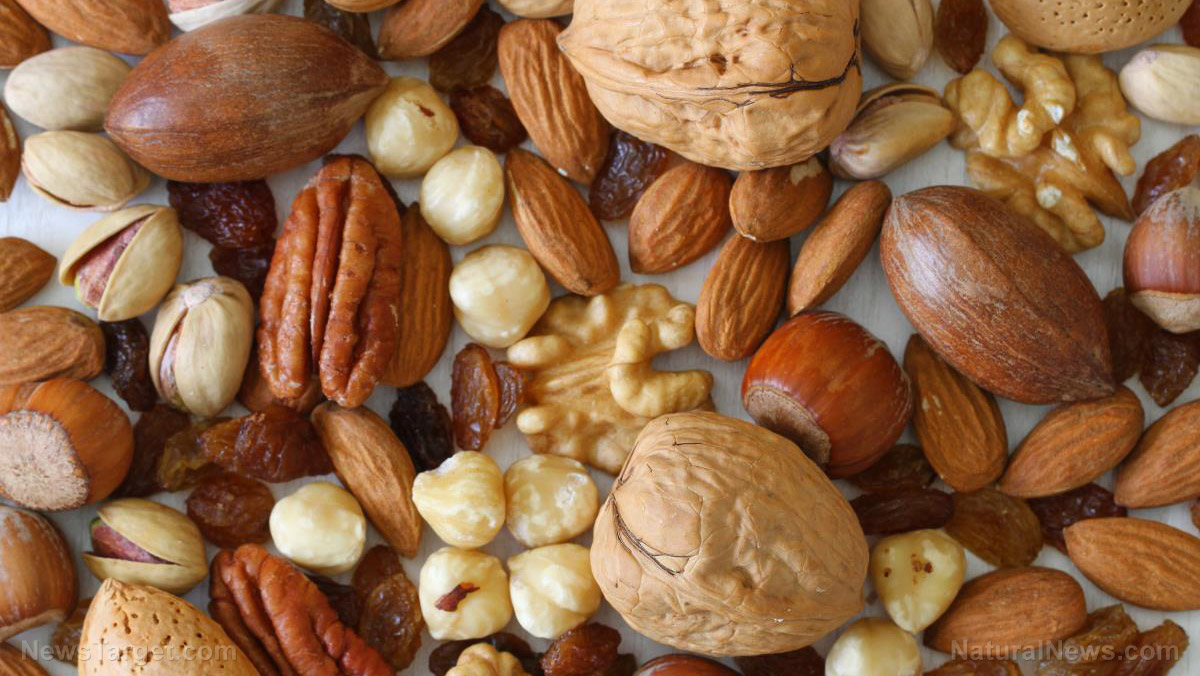
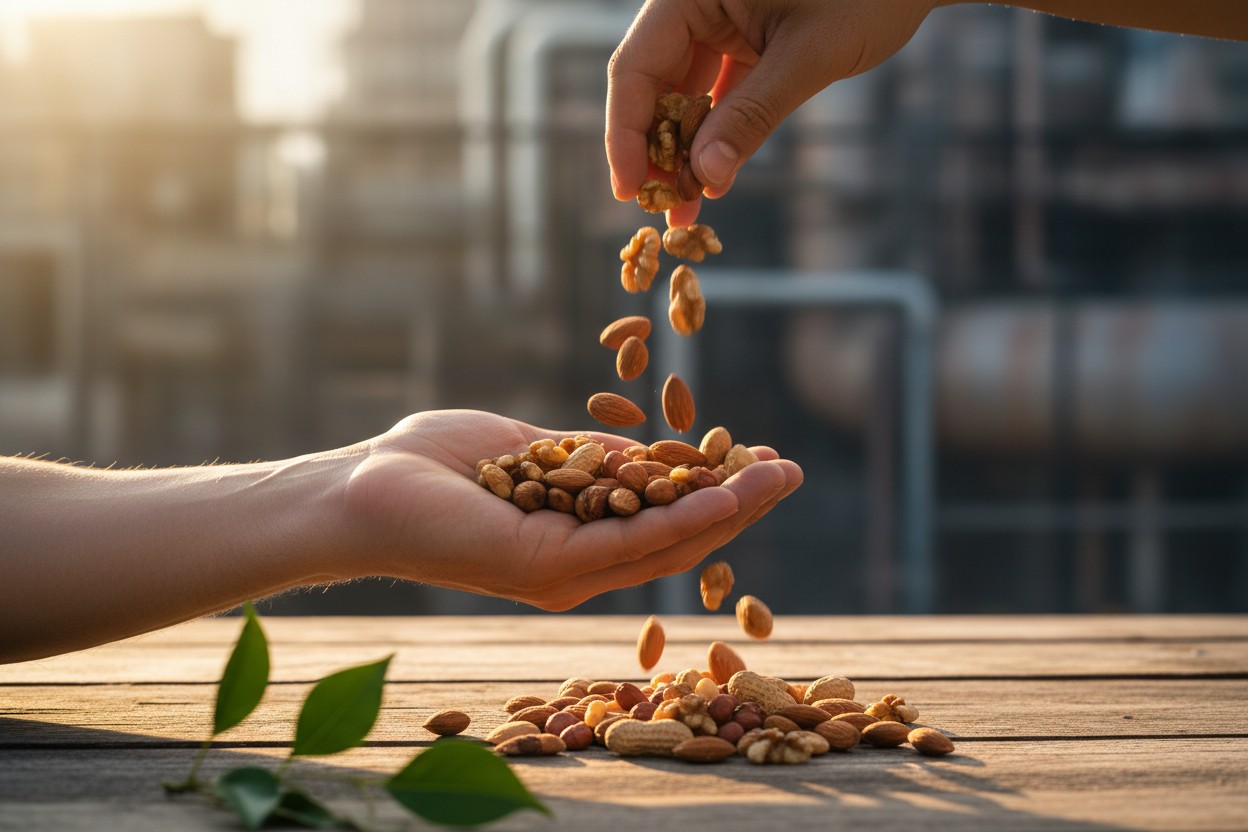
Phenylalanine, an essential amino acid found in high-protein foods such as meat, eggs, dairy, nuts, and legumes, has also been linked to migraines. According to one source, "high doses have been linked to headaches, including migraines" [6]. Experts caution that completely avoiding phenylalanine-rich foods may result in a diet that is overly restrictive. Instead, they recommend monitoring consumption and noting any correlation with migraine events.
Food Intolerances and Identification Methods
Food intolerances, particularly to soy and gluten, are frequently reported alongside migraines. Symptoms of intolerance often appear between 12 and 24 hours after ingestion, making them difficult to pinpoint without systematic tracking. Nutrition specialist Umo Callins recommends using a food diary to log meals and migraine occurrences, narrowing down potential triggers [4].
Elimination diets, under the supervision of a registered dietitian, allow individuals to remove suspected foods for a period and then reintroduce them in a controlled challenge phase. This method helps identify specific culprits rather than relying on broad avoidance. According to one handbook, the most reliable approach is to keep a headache diary and reference lists of common triggers [7]. Working with a qualified nutrition professional can prevent nutritional deficiencies while identifying trigger foods.
Conclusion: Personalizing Dietary Changes
No single set of dietary triggers applies universally to all migraine sufferers, according to experts. Individual biology, genetics, and lifestyle factors determine which foods provoke attacks. The most effective strategy, as reported in clinical literature, involves systematic tracking and personalized elimination rather than broad dietary restrictions [8].
Experts recommend keeping a detailed food and symptom diary for at least one month to establish patterns. Once triggers are identified, a targeted elimination and reintroduction process can confirm sensitivities. This approach empowers individuals to manage migraines through dietary choices, reducing reliance on pharmaceutical interventions and improving quality of life.
References
- Mercola.com. "MigrainesWhat Causes Them and How You Can B." August 22, 2013.
- NaturalNews.com. "Migraine again Alcohol may be the reason why your head hurts." April 04, 2019.
- Airey Raje. "50 natural ways to cure a headache."
- Griffith Ceabert J. "50 ways to control migraines proven relief for adult adolescent and child migraine sufferers."
- Gary Null. "Reboot Your Brain A Natural Approach to Fight Memory Loss Dementia."
- Smith Anne M. "Wardlaws contemporary nutrition."
- "ADAM illustrated family health guide."
- NaturalNews.com. "The natural prescription: Rethinking migraine management through diet and lifestyle." February 12, 2026.
- Elsevier. "Tyramine in foods and monoamine oxidase inhibitor drugs: A crossroad where medicine, nutrition, pharmacy, and food industry converge." Journal of Food Composition and Analysis 19 (2006) S58–S65.






Please contact us for more information.