


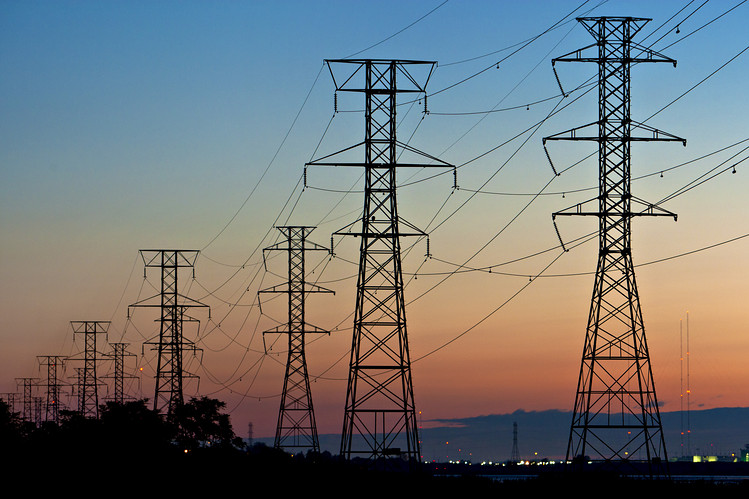
- U.S. power consumption shattered records in 2025 and is projected to rise further, while the aging grid faces elevated blackout risks due to retiring coal and natural gas plants not being replaced fast enough.
- Surging electricity demand is driven by AI data centers, cryptocurrency mining, electric vehicles (adding ~4,000 kWh/year each) and heat pumps (adding ~3,000-5,000 kWh/year each).
- Nuclear power provides reliable baseload power (18-19% of generation), but the aging fleet faces eventual retirement without new construction or life extension investments.
- Residential electricity prices have hit 12-year highs and could rise 40% by 2030 and double by 2050, hitting low-income and fixed-income households hardest.
- Renewables alone cannot solve the crisis due to intermittency, and building new transmission, nuclear, or natural gas plants faces lengthy delays and opposition; Texas, the Midwest and the mid-Atlantic are at highest risk for shortfalls.
The United States is hurtling toward a power crisis that threatens to overwhelm an aging electrical grid. According to the Energy Information Administration (EIA), American power consumption shattered records for the second consecutive year in 2025 and will climb even higher in 2026 and 2027. The EIA projects power demand will rise from a record 4,198 billion kilowatt-hours in 2025 to 4,364 billion kWh by 2027. These numbers signal a fundamental shift in energy consumption that threatens a system designed for a different era.
The drivers behind the surge
Three forces are converging to create this unprecedented demand. Data centers powering artificial intelligence and cryptocurrency mining consume electricity at staggering rates—a single large AI data center can draw as much power as 50,000 homes. Simultaneously, American households are shifting away from fossil fuels for heating and transportation. Each electric vehicle adds roughly 4,000 kWh of annual demand, while each heat pump adds another 3,000 to 5,000 kWh. The EIA forecasts total power sales in 2026 will reach 1,519 billion kWh for residential consumers, 1,522 billion kWh for commercial customers, and 1,069 billion kWh for industrial customers—all near or exceeding historical highs.
A grid already under strain
The North American Electric Reliability Corporation has repeatedly warned that large portions of the country face elevated blackout risks during extreme weather. While renewable generation continues expanding—projected to rise from roughly 24% of total generation in 2025 to 28% in 2027—it cannot keep pace with demand growth. Natural gas and coal plants are being retired faster than replacement generation comes online. Natural gas will remain the dominant fuel, though its share is projected to slip slightly from 40% to 39%. Coal continues its long decline from 17% to 15% over the same period.
Nuclear power's uncertain role
Nuclear generation offers steady baseload power that operates around the clock regardless of weather conditions. The EIA projects nuclear's share will rise from 18% in 2025 to 19% in 2026 before sliding back to 18% in 2027. However, America's nuclear fleet is aging. Many plants have received license renewals extending operations to 60 or 80 years, but without new nuclear construction or significant life extension investments, these plants will eventually retire, removing reliable capacity from the grid.
The cost to American families
Residential electricity prices have already climbed to 12-year highs for summer bills, and the situation is projected to worsen dramatically. Projections show residential electricity prices could rise up to 40% by 2030 and potentially double by 2050. For a family paying $150 per month today, that means $210 per month by 2030 and $300 per month by 2050. These increases will hit low-income and fixed-income households hardest. The EIA also forecasts that natural gas use for power generation will rise to 35.8 billion cubic feet per day, showing gas remains essential for keeping the lights on even as residential and commercial gas use declines due to electrification.
Historical context and warning signs
This is not America's first power crisis, but it may be the most consequential. The blackouts of 1965 and 1977, the California electricity crisis of 2000-2001, and the Northeast blackout of 2003 all offered lessons largely ignored. What makes this moment different is the speed of demand growth combined with the simultaneous retirement of dispatchable generation. The Texas blackouts of February 2021 offered a preview: more than 200 people died and economic damage ran into the hundreds of billions of dollars. The mid-Atlantic, Midwest and Texas are again identified as regions at highest risk for shortfalls.
What must be done
America faces hard choices that politicians have been avoiding for decades. Building new transmission lines takes 10 to 15 years due to permitting delays and local opposition. New nuclear plants take even longer and cost billions. Natural gas plants face opposition despite providing reliable power. The EIA data makes clear that renewables alone cannot solve this problem. Solar farms generate power only when the sun shines. Wind turbines stop when the air is still. Battery storage can provide minutes to hours of backup, but not days. Without reliable dispatchable generation backed by storable fuel supplies, the grid becomes vulnerable to every weather event and supply disruption.
"A power crisis is a situation where the electricity grid fails to meet demand, leading to widespread and extended blackouts," said BrightU.AI's Enoch. "This can result from poor communication or planning, as warned by Federal Energy Regulatory Commission Commissioner Mark Christie. Ultimately, it means people and businesses are left without power for significant periods."
The EIA projections offer a stark warning. American power demand is climbing at rates not seen in generations. The grid delivering that power is aging and fragile. The generation sources being built cannot replace what is being retired. The costs of inaction will be measured not just in dollars but in lives disrupted by blackouts and economic damage. The United States built the greatest electrical system in human history because earlier generations understood that reliable power was essential to national prosperity and security. That system now requires the same level of commitment and investment that built it. The question is whether this generation has the will to meet that challenge before the lights go out.
Watch as Health Ranger Mike Adams discusses Decentralizing electricity and the power grid with Ryan Arriaga.
This video is from Decentralize TV on Brighteon.com.
Sources include:






Please contact us for more information.