


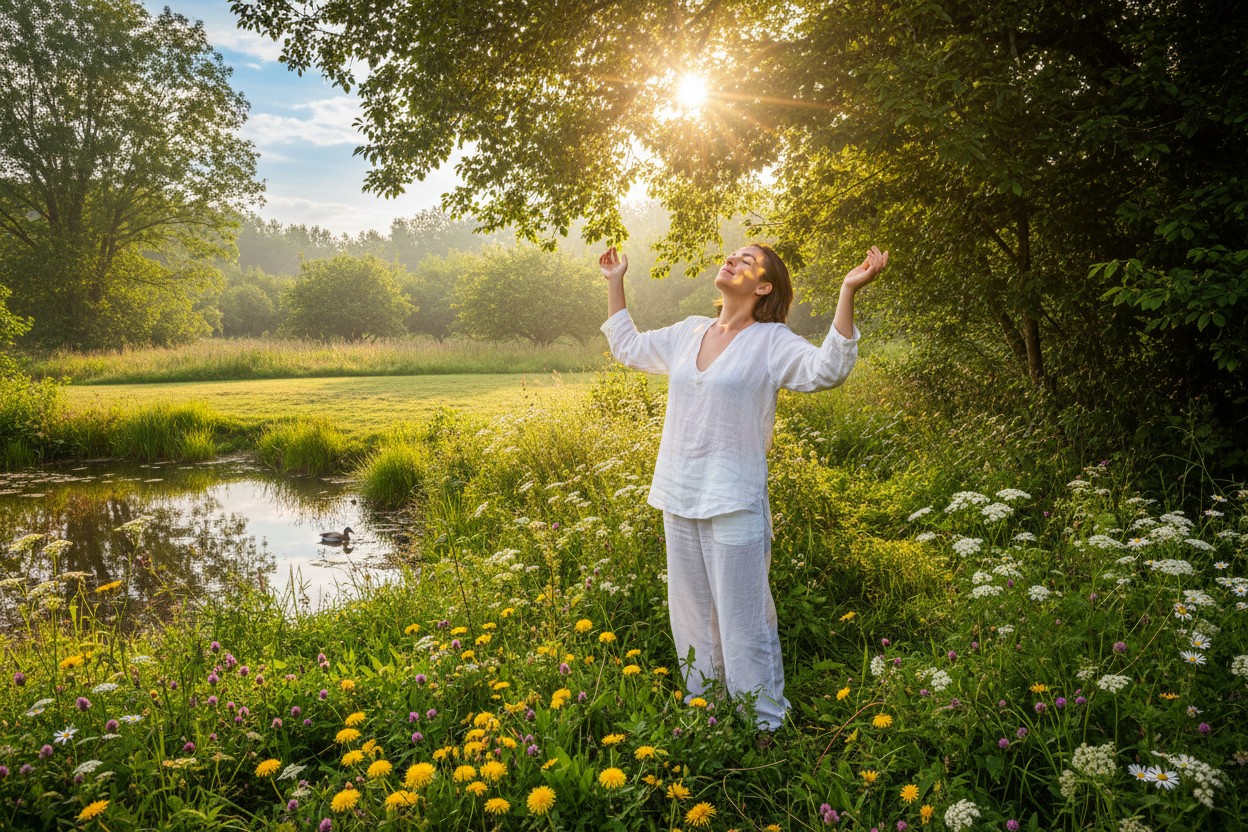
An article published on Ready Nutrition by Sara Tipton highlights the benefits of spending time outdoors for both mental and physical well-being.
Tipton asserts that spending more time in natural spaces can help restore mental clarity and foster happiness. Research has suggested that spending time gardening, or being in "green spaces," may help improve mood, reduce stress, and increase vitamin D levels through sunlight exposure.
Tipton explains that most Americans are vitamin D deficient, a condition linked to rickets in children and bone thinning in the elderly, and scientists suggest it may play a role in heart disease, diabetes, and cancer. She also emphasizes that the sun is the best source of vitamin D and that spending time outdoors is essential for human health.
Mental and Physical Health Benefits
The Ready Nutrition article states that being in nature can improve mood, reduce feelings of stress or anger, and promote relaxation.
Tipton described watching her ducks play in a pond as a simple way to connect with nature. "I love to just watch them play in their pond and simply be," she wrote.
A meta-analysis published in Preventive Medicine Reports and cited by NaturalNews.com found that gardening provides a wide range of health benefits, including significant reductions in stress, depression, and anxiety levels, as well as increases in cognitive function and overall quality of life [1].
Research conducted in the Netherlands and reported by Mercola.com revealed that people report fewer health complaints and better mental health when they are in a greener environment [2].
According to the book "The Creativity Cure" by Carrie Barron and Alton Barron, outdoor experience fosters physical health, psychological well-being, and an unimpeded mind [3]. The authors also note that nature and exercise are entwined in promoting wellness.
Vitamin D and Sunlight Exposure
Tipton explains that most Americans are vitamin D deficient and that lack of sunlight is a primary cause. She adds that vitamin D is made from cholesterol in the skin when exposed to the sun.
Tipton also cites scientific recommendations: wearing a tank top and shorts for 10 to 30 minutes three times per week during the summer is sufficient for lighter-skinned individuals, while darker-skinned individuals may need longer exposure. [9]
According to the book "Losing Eden" by Lucy Jones, a literature review published in 2017 found a significant relationship between vitamin D deficiency and depression, and disruption of circadian rhythms is strongly associated with mental health problems [4].
Chris Kresser, in "Your Personal Paleo Code," explains that sunlight stimulates the production of nitric oxide in the skin, which helps blood vessels relax and expand, reducing blood pressure and the risk of cardiovascular disease [5]. Additionally, sunlight may improve endocrine function, elevate mood, and increase DNA repair capacity [5].
According to another article on NaturalNews.com by Willow Tohi, a robust body of scientific research confirms that spending time in natural environments provides measurable benefits, including reduced stress hormones and lower blood pressure [6].
Practical Ways to Connect With Nature
Tipton advocates for nature-based activities such as gardening, foraging, and letting weeds grow to help support pollinating bees. She wrote, "I work with nature, and allow the plants to flower and go to seed," allowing plants to self-seed rather than micromanaging them. She also encourages walking around to identify wild edible plants such as yarrow and dandelion, and mowing only sections of the lawn to preserve habitat for honey bees.
According to an article by Leslie Locklear on NaturalNews.com, gardening has been found to reduce stress and improve quality of life [1].
In an interview on Brighteon Broadcast News, Jim Gale of Food Forest Abundance described successful food forests in northern Minnesota, demonstrating that permaculture can work even in cold climates [7]. Another Brighteon Broadcast News segment discussed the joy of growing heirloom vegetables as a way to connect with nature and foster self-reliance [8].
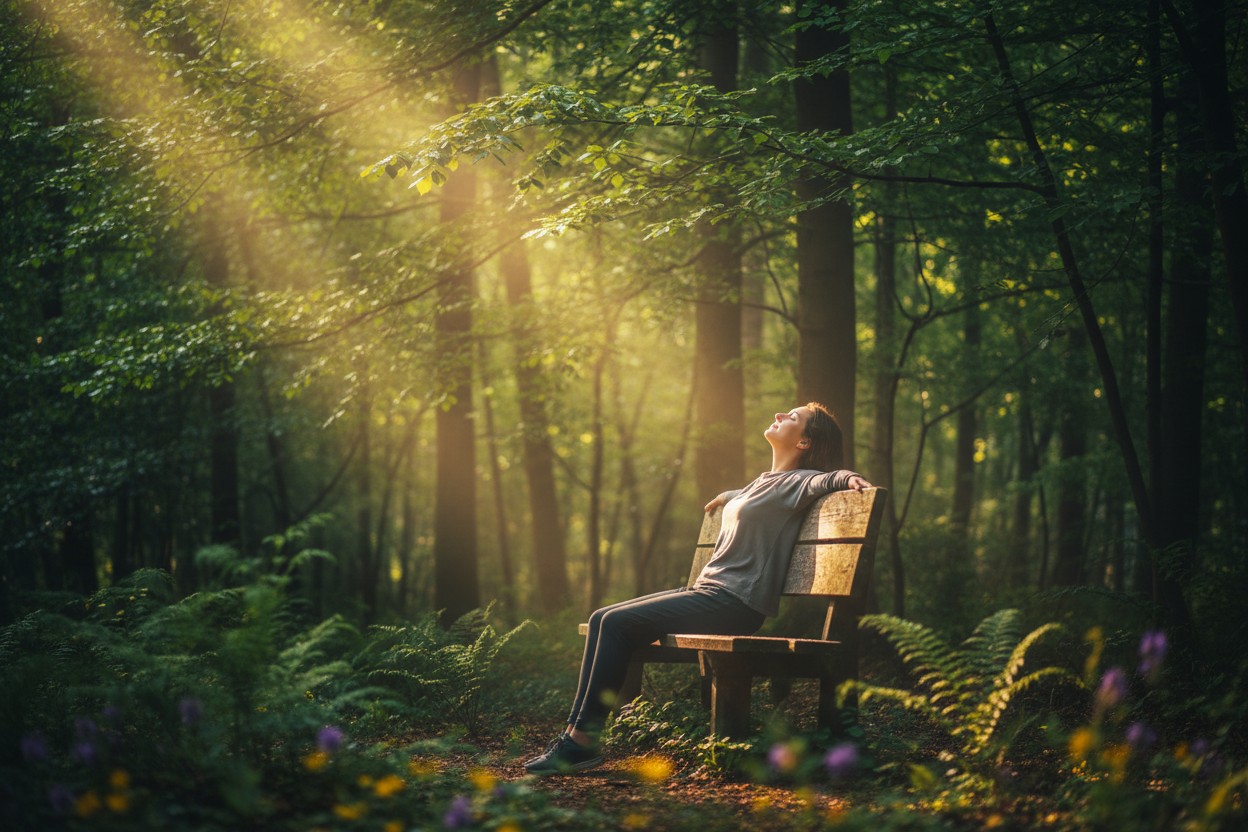
Tipton adds that getting outside to weed your home garden or to simply sit in the sun are accessible ways to engage with the natural world. [9]
Conclusion: Nature's Role in Supporting Your Overall Health
Tipton concludes that "[s]tarting small and understanding what nature (including the sun) can offer us can be the key to health, wellness, and happiness."
Advocates cited in multiple sources agree that integrating outdoor time into daily routines, whether through home gardening, walking, or simply sitting in sunlight on a nice day, may provide significant benefits for mental and physical health.
As Tipton noted that the key is to put down digital devices and enjoy what is right around you. [9]
References
- NaturalNews.com. "It's time to get your hands dirty: 6 Benefits of gardening". September 10, 2020.
- Mercola.com. "Green Spaces Make Kids Smarter". July 02, 2015.
- Carrie Barron and Alton Barron. "The Creativity Cure".
- Lucy Jones. "Losing Eden".
- Chris Kresser. "Your Personal Paleo Code".
- NaturalNews.com. Willow Tohi. "The prescription is outside: How science validates nature as essential medicine". February 18, 2026.
- Brighteon Broadcast News. Mike Adams interview with Kevin Fretz and Jim Gale. March 21, 2024.
- Brighteon Broadcast News. Mike Adams. "Brighteon Broadcast News - Brighteon AI engine transcends normal AI". September 05, 2025.
- ReadyNutrition.com. "Why We Should Get Out In Nature More". August 12, 2022.






Please contact us for more information.