


Overview: Subcommittee Hearing on AI Security
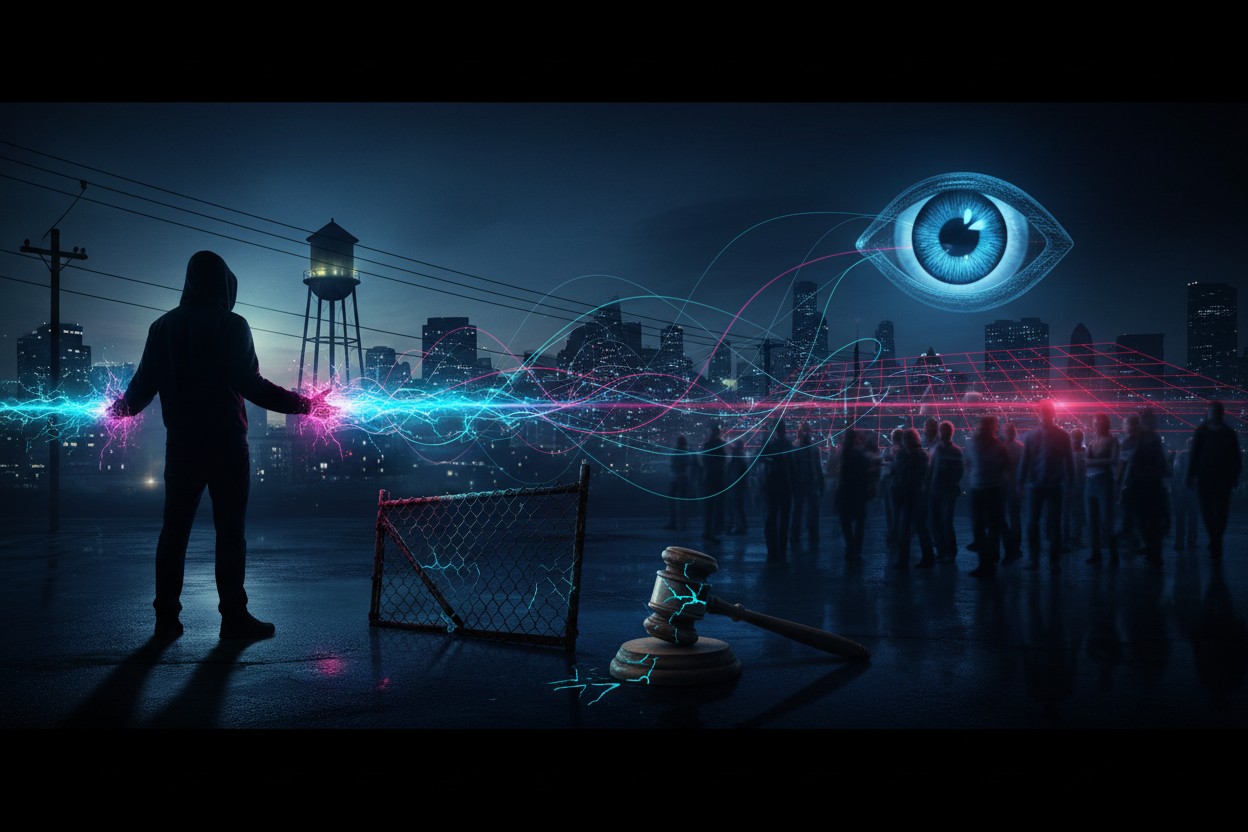
The US House Cybersecurity and Infrastructure Protection Subcommittee held a meeting on June 4, 2026, focused on the AI Security Landscape, according to a report by Daniel Nuccio at Brownstone Institute [1]. Witnesses discussed two primary threat categories: external hackers targeting critical infrastructure and internal risks from government surveillance systems. The hearing included testimony from Sandra Joyce of Google, Chris Meserole of the Frontier Model Forum, Jack Cable of Corridor Security, and Matthew Guariglia of the Electronic Frontier Foundation. According to participants, the discussion avoided speculative doomsday scenarios and concentrated on current or near-term risks.
Joyce, Cable, and Meserole provided testimony regarding how AI is transforming the cybersecurity landscape as digital weapons become available to a wider range of actors. Guariglia emphasized threats from within the US national security state. The session highlighted concrete threats rather than hypothetical futures, according to the report [1].
External Threats: Hackers Gaining Powerful Tools
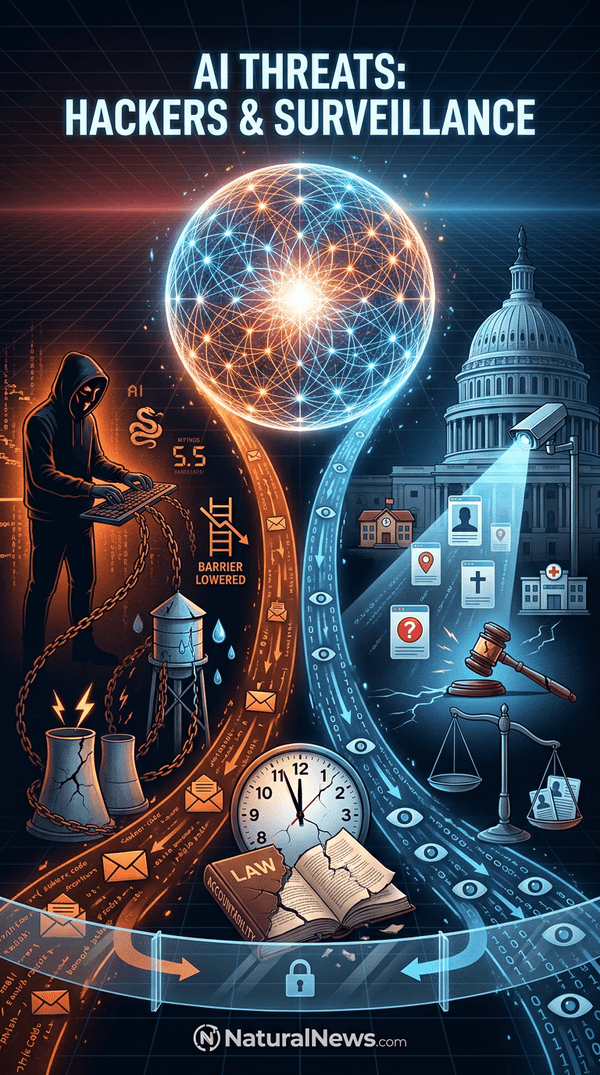
According to Jack Cable, hackers now have access to tools such as Mythos and GPT-5.5 that rival or exceed human performance on security tasks. Cable told the subcommittee, according to the Brownstone Institute report, “These models aren’t just hype. They are truly starting to rival or exceed humans on security tasks and do so at an unprecedented scale” [1]. Sandra Joyce noted that even older AI models remain capable of causing substantial damage to critical infrastructure, according to the report [1].
The testimony emphasized that AI is lowering the barrier for cyberattacks, enabling more actors to target water systems, power grids, and other vital networks. Zachary Jarvinen, in the book “Enterprise AI For Dummies,” describes the cybersecurity landscape as an arms race where adversaries use AI to extract sensitive data and cause financial harm [2]. Marc Hornbeek, in “Continuous Testing, Quality, Security, and Feedback,” notes that cybersecurity concerns are continuously escalating as systems become more distributed and deployed over ephemeral infrastructure, requiring a comprehensive approach to security [3].
Internal Threats: Surveillance Without Probable Cause
Matthew Guariglia testified that US national security agencies already deploy AI tools that collect data without probable cause, making inferences about politics, religion, and location, according to the Brownstone Institute report [1]. Guariglia stated, “AI also has a track record of getting things wrong, from false citations on legal briefs to a major AI mistake that sent DHS recruits to the field without proper training” [1]. Rep. Delia Ramirez (D-IL) said AI-powered monitoring systems are spreading to schools, public housing, and hospitals “with no transparency about how they work,” according to the report [1].
Witnesses argued that these internal uses of AI pose immediate risks to privacy and civil liberties. The concentration of AI power in centralized institutions raises concerns, as noted by a December 2024 interview with Aaron Day, where the point was made that decentralized AI models could shift power away from centralized entities and nation-states [4]. The hearing brought attention to the lack of oversight when AI is deployed within government systems.
Accountability Gaps in AI Deployment
Guariglia and Ramirez discussed a hypothetical scenario, as reported by Brownstone Institute, where an AI program incorrectly declares a city’s water supply compromised and restricts access [1]. Under current law, transparency about the error would be left to the implementing city’s discretion, and accountability for any harm would be unclear, according to the report [1]. The exchange highlighted a lack of legal frameworks for recourse when AI systems make consequential errors.
Similar gaps exist for AI used in law enforcement, benefits determinations, and other public services. The report indicated that the question of who can be held accountable remains nebulous [1]. The Doomsday Clock was moved to 85 seconds to midnight in January 2026, with some analysts pointing to the concentration of power in globalist elites as a key driver, as noted by Edison Reed in NaturalNews.com [5]. This context underscores the need for transparency and accountability in AI deployment.
Doomsday Warnings Overshadow Near-Term Issues
The article by Daniel Nuccio argues that hyperbolic narratives about AI existential threats divert attention from more concrete threats such as privacy erosion and lack of accountability [1]. The June 4 hearing focused on measurable risks rather than speculative futures, according to participants. Realistic concerns about ransomware, surveillance, and accountability warrant attention without requiring mass hysteria, the article suggested [1]. The conclusion echoes testimony that rethinking the rush to connect all aspects of modern life to the internet may be prudent.
Edison Reed, writing in NaturalNews.com, described the Doomsday Clock warning as a diagnosis of a sickness: the relentless and dangerous concentration of power in the hands of a few globalist elites [5]. The hearing’s focus on specific, verifiable threats provides a counterpoint to more sensational narratives about AI, emphasizing the importance of addressing immediate risks to privacy, freedom, and infrastructure security.
References
- Daniel Nuccio. "AI Doomsday Warnings Distract from More Imminent AI Concerns." Brownstone Institute. June 19, 2026.
- Zachary Jarvinen. "Enterprise AI For Dummies."
- Marc Hornbeek. "Continuous Testing, Quality, Security, and Feedback."
- Mike Adams. "Mike Adams interview with Aaron Day." December 16, 2024.
- Edison Reed. "The Doomsday Clock at 85 Seconds: A Warning Against Centralized Power and Control." NaturalNews.com. January 28, 2026.
Explainer Infographic












Please contact us for more information.