


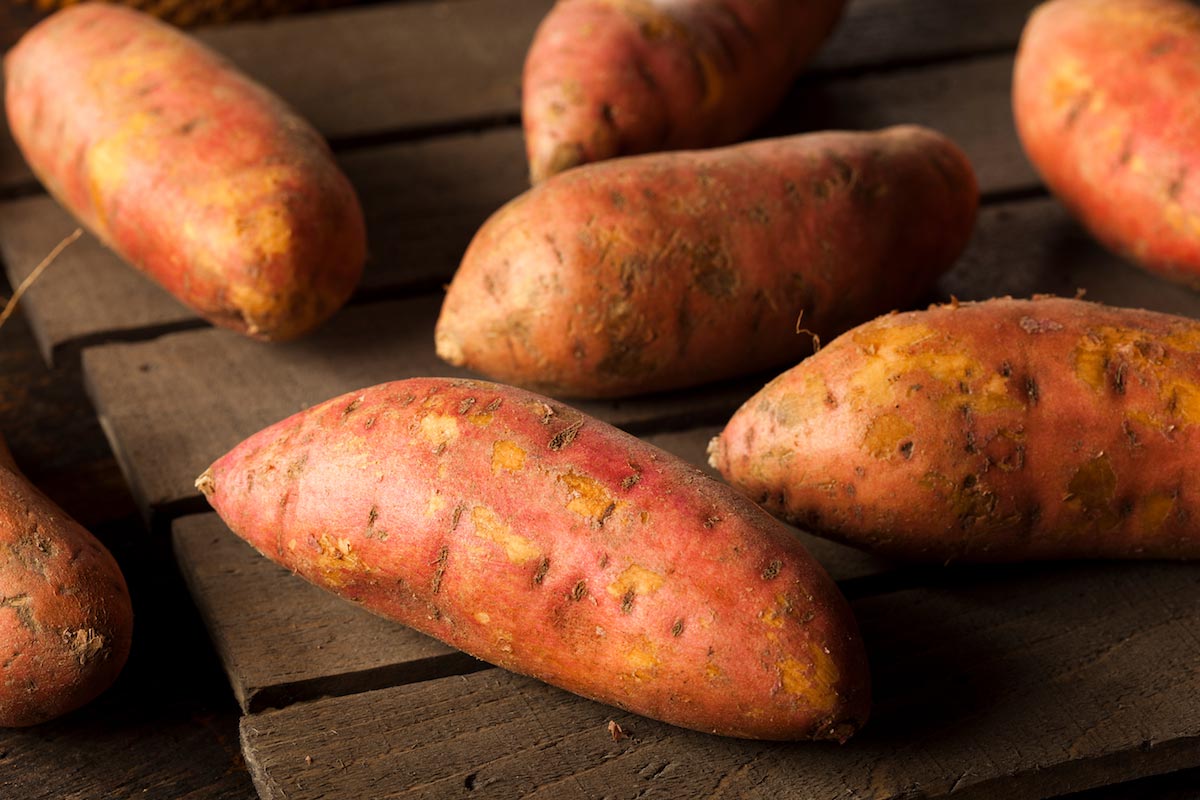
In the quiet calculus of healthy eating, the choice between two vibrant, nutrient-packed vegetables often reveals a deeper tension between the twin goals of weight management and cardiovascular protection. For consumers seeking to understand which foods best serve their health, the evidence points to a nuanced and complementary relationship between kabocha squash and sweet potatoes.
The question of which vegetable is superior has become a subject of analysis for nutrition researchers and dietitians, particularly as Americans seek whole-food alternatives to processed carbohydrates. The answer, emerging from recent comparative analyses, depends entirely on the health outcome one prioritizes.
A tale of two nutritional profiles
For individuals whose primary objective is tight calorie reduction and blood sugar management, kabocha squash—also known as Japanese pumpkin—appears to hold a distinct advantage. Per cup of cooked, mashed vegetable, kabocha squash contains approximately 83 calories and 21.5 grams (g) of carbohydrates, compared to sweet potatoes, which deliver 205 calories and 45 g of carbohydrates per equivalent serving. This dramatic difference means kabocha squash offers roughly 60% fewer calories and about half the carbohydrates of sweet potatoes.
This lower calorie density translates into a tangible benefit for appetite regulation. Foods with lower calorie density allow individuals to consume a larger volume of food while taking in fewer total calories, a mechanism associated with improved satiety and reduced overall energy intake. Kabocha squash also exerts a gentler effect on blood glucose levels due to its lower glycemic index and glycemic load, meaning its carbohydrates break down more slowly, helping avoid the rapid sugar spikes that can trigger hunger and overeating.
However, for cardiovascular health, sweet potatoes present a more compelling case. The research supporting sweet potatoes includes multiple systematic reviews and human intervention studies, a depth of evidence that is notably absent for kabocha squash, whose benefits are often extrapolated from broader studies on pumpkins and winter squashes.
Sweet potatoes contain nearly twice the potassium and vitamin C of kabocha squash. A single cup of cooked sweet potatoes delivers 1,260 milligrams (mg) of potassium, or 27% of the daily value, alongside 32.8 mg of vitamin C. These nutrients, combined with high levels of carotenoids and polyphenols, support blood pressure regulation and reduce cardiac strain. The presence of anthocyanins in purple-fleshed varieties further provides anti-inflammatory effects linked to improved vascular function and healthier lipid profiles.
The structural benefits of fiber
Both vegetables share a critical commonality: high dietary fiber content. Kabocha squash provides 6.37 g of fiber per cup, while sweet potatoes contain 7.75 g. This fiber supports digestive health, enhances satiety and plays a documented role in lowering LDL cholesterol and regulating blood pressure.
Fiber-rich diets are consistently associated with reduced risks of heart disease, obesity and Type 2 diabetes. Sweet potatoes, in particular, contain resistant starch, a type of indigestible carbohydrate that does not impact blood glucose levels and may improve insulin sensitivity through its influence on gut microbiota.
Context and preparation matter
The health effects of kabocha squash and sweet potatoes are significantly influenced by cooking methods. Roasting, baking or steaming without added sugars, butter or frying oils preserves their nutritional integrity and maintains their favorable calorie profiles. Consumers who prepare these vegetables with heavy sauces or processed fats may negate many of their inherent health benefits.
The comparison between kabocha squash and sweet potatoes reveals not a contest with a single winner, but a strategic choice based on individual health priorities. For those focused on weight management and blood sugar control, kabocha squash offers lower calorie density and a gentler metabolic impact. For those prioritizing cardiovascular protection and immune function, sweet potatoes provide superior evidence and higher concentrations of key nutrients.
The healthiest approach, supported by nutritional science, is to include both vegetables in a balanced diet. Sustained weight management and cardiovascular health depend less on selecting a single superior vegetable and more on the overall quality of the diet, the variety of whole foods consumed, and the avoidance of processed additives. In the quiet competition between these two colorful superfoods, the consumer who embraces both may ultimately be the healthiest of all.
Learn how eating avocado can help curb your appetite by watching the video below.
This video is from the Natural News channel on Brighteon.com.
Sources include:






Please contact us for more information.