


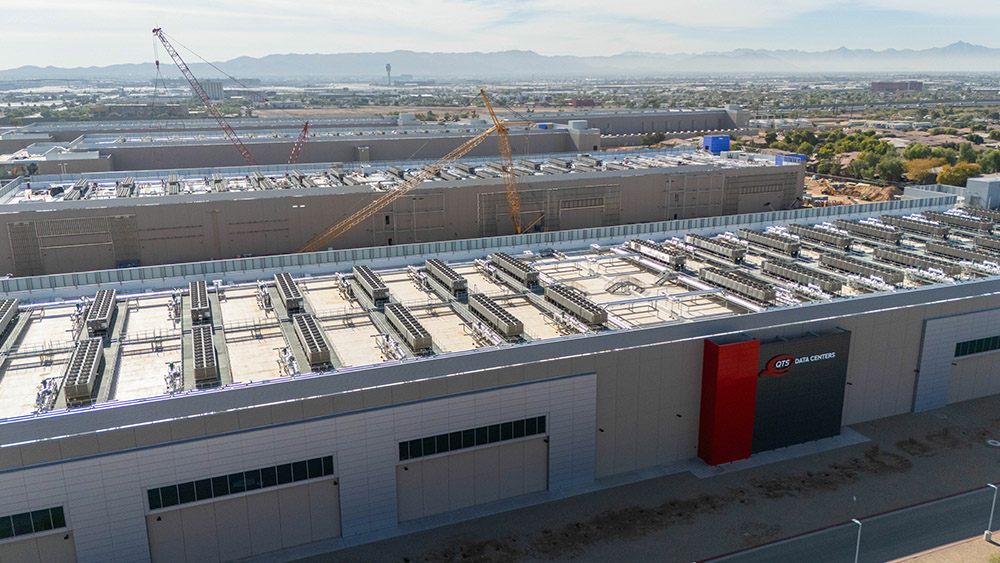
- Hazle Township's board of supervisors voted unanimously to pause data center applications for 180 days amid growing local opposition.
- More than 60 data center proposals across Pennsylvania face resistance from residents concerned about health and environmental impacts.
- Coal's toxic legacy in the region has fueled skepticism toward the data center boom and its potential harms.
- NorthPoint Development offered a $165 million benefits package after losing legal battles, which critics called a bribe.
- A bipartisan state bill proposes a three-year moratorium on hyperscale data center projects to allow for updated regulations.
The ghosts of Pennsylvania's coal mining past are stirring again, and this time they're wearing yellow T-shirts that read "Project Hazelnot" with a red circle slashing through the letter "o." In Hazle Township, residents packed a supervisors meeting on June 8, their shirts a pointed message to developers of a massive data center complex proposed for the township's coal-rich plateau. The project would put 15 buildings and an electrical substation on a site of nearly 1,300 acres. The board responded by voting unanimously to pause all data center applications for 180 days while updating zoning rules.
This local victory represents a growing wave of resistance across Pennsylvania, where more than 60 data center proposals have emerged in the last year alone. Most face opposition from nearby residents concerned about the speed of development and potential health and environmental impacts. What makes this movement remarkable is its ability to unite people across deep political divides. Ginny Marcille-Kerslake, an organizer for Food and Water Watch, noted that in this fight, party lines have been "obliterated."
Coal's toxic legacy shadows the AI buildout
For residents of Pennsylvania's coal regions, the data center boom feels painfully familiar. The northeastern corner of the state spent much of the past two centuries digging coal to power the Industrial Revolution, and the water and land paid the price. When the mines closed, manufacturing, warehousing, and waste operations filled the void, with several carrying fresh health risks of their own. Today, Luzerne County, which is home to Hazleton, carries three Superfund sites.
"We have a beautiful area here. First, it was scarred by coal mines, and we don't want any more damage done," said Joanne Balay, a Hazle Township resident. Her concerns about data centers include "the amount of power that they take, the amount of water they use, and the land that is totally raped."
Nate Eachus, a former NFL player who lives near Kline Township, sees the pattern repeating. "We've had polluted streams, we've had waste coal piles a hundred feet tall. There's public health risks around coal mining—that's our history," he said. Eachus is now calling for a statewide moratorium on data centers.
A $165 million offer critics call a bribe
The fight over Project Hazelnut has become a case study in how developers respond when democratic processes don't go their way. After residents packed meetings and supervisors voted 3-0 to deny land development approvals, NorthPoint Development appealed and lost in county court. Rather than pursue remaining legal avenues, the company announced a $165 million "benefits package" including $10,000 payments to every household in the township.
The Scranton Times-Tribune editorial board called the offer "little more than a bribe, an incentive to look the other way while another company does whatever it wants to do in our backyards." Resident John Zola put it more bluntly: "For them to spend this kind of money to get a community to accept them, this thing must really be bad for the people and the environment."
Bipartisan bill would pause hyperscale projects for three years
State Sen. Katie Muth, a Democrat, has introduced Senate Bill 1359, a bipartisan measure co-sponsored by Republican Sen. Rosemary Brown that would impose a three-year statewide moratorium on hyperscale projects. The pause would give local governments time to update ordinances and study facilities that can consume up to eight million gallons of water daily.
The Data Center Coalition warns that moratoriums would discourage investment. But this is not a fight about whether America builds the infrastructure the AI age demands; it's about who decides, and who bears the cost. When a township rejects a project at every turn and a Kansas City developer answers with a checkbook, the property owners of Hazle Township are right to see leverage dressed up as generosity. Their water, their land, and their right to govern their own backyards shouldn't be for sale — least of all to spare Harrisburg the trouble of asking hard questions first.
Sources for this article include:










Please contact us for more information.