


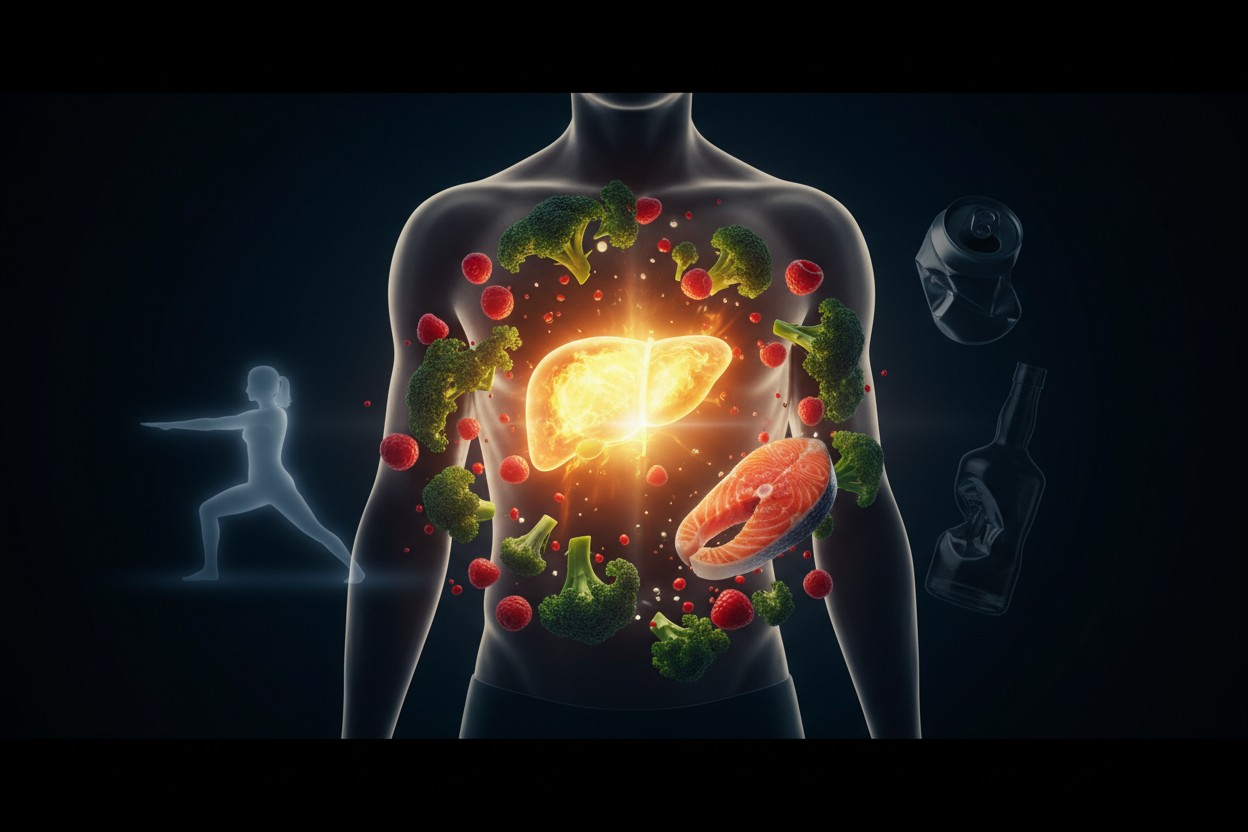
Liver Health and Diet: Key Facts
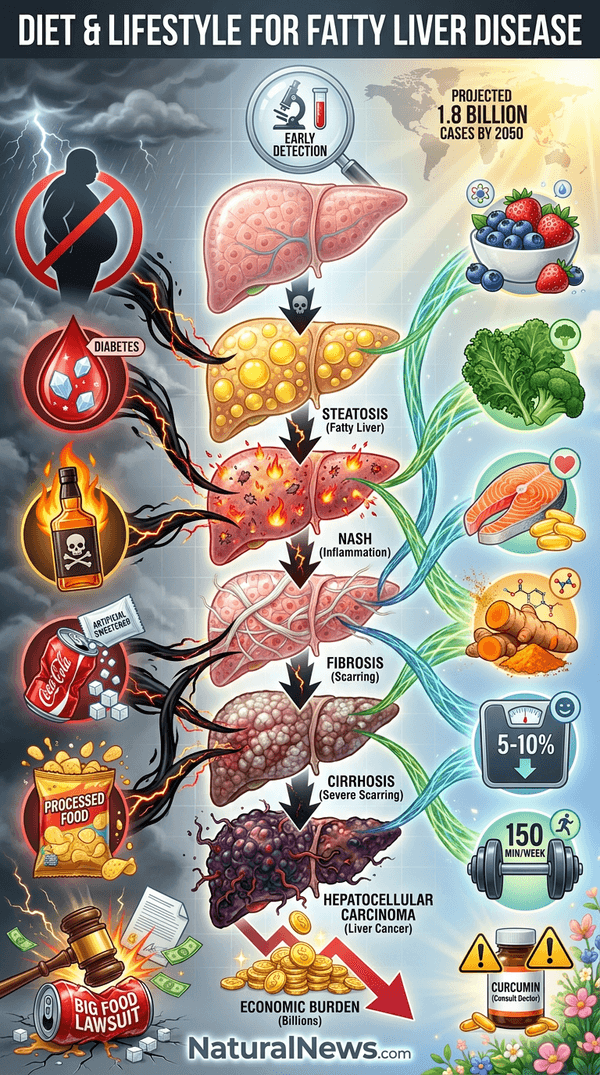
Fatty liver disease, known as metabolic dysfunction-associated steatotic liver disease (MASLD), is commonly caused by being overweight, Type 2 diabetes, high cholesterol, and excessive alcohol consumption, according to health authorities. A global analysis published in The Lancet Gastroenterology & Hepatology reported that MASLD cases surged 143% since 1990, reaching an estimated 1.3 billion people in 2023, and projected to affect 1.8 billion by 2050, according to a report by NaturalNews.com citing registered dietitian Molly Knudsen [1].
As of 2012, up to 14% of the American population had Type 2 diabetes, and 38% were pre-diabetic, according to Mercola.com citing data from the National Health and Nutrition Examination Survey [2]. The condition can progress to cirrhosis and liver cancer without intervention, officials said. A first-of-its-kind lawsuit filed by a Pennsylvania teenager against 11 Big Food manufacturers alleged that ultra-processed foods caused him to develop fatty liver disease and Type 2 diabetes, according to The Defender [3].
Recommended Foods for Liver Function
A meta-analysis published in February 2025 found that individuals with higher scores on the Healthy Eating Index (HEI) had a 32% lower risk of chronic liver disease, while those with higher scores on the Alternative Healthy Eating Index (AHEI) had a 29% lower risk, according to NaturalNews.com [4]. The analysis covered conditions including MASLD, fibrosis, cirrhosis, and liver cancer, the report stated.
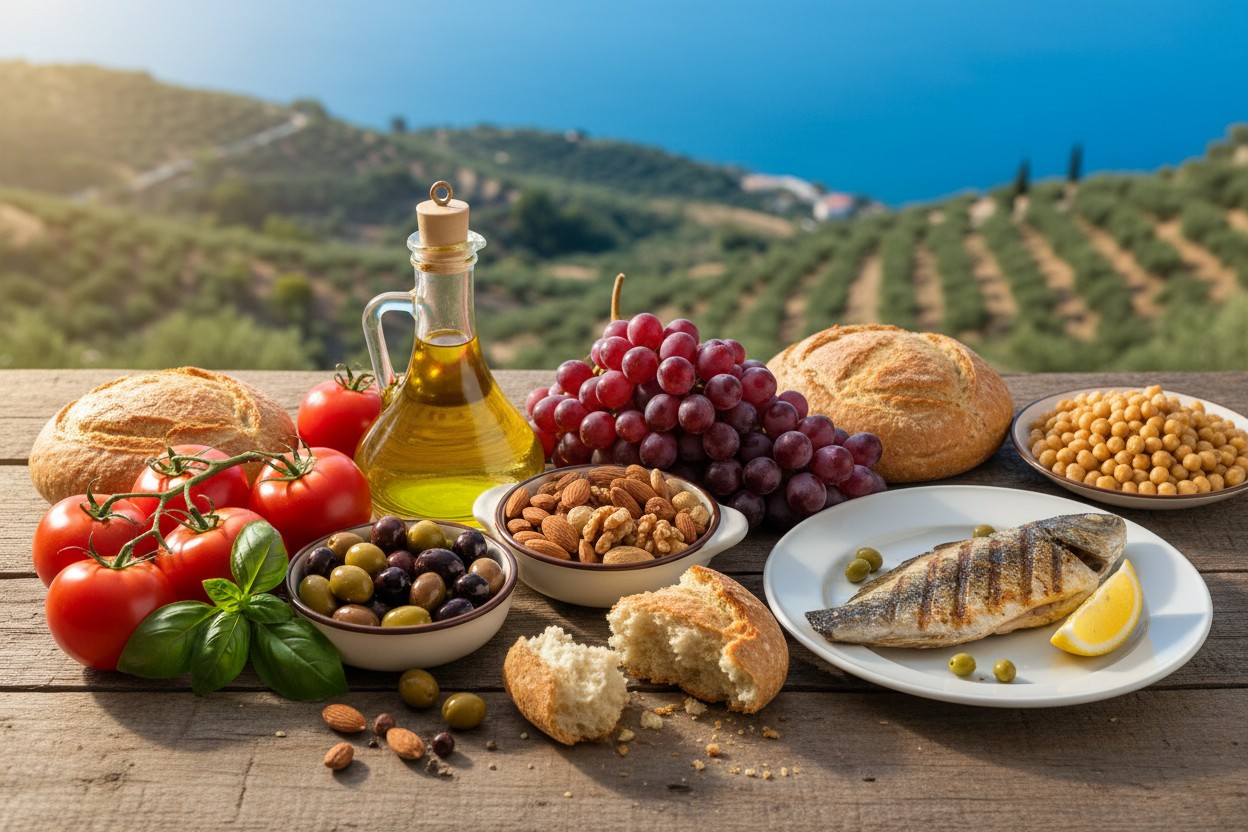
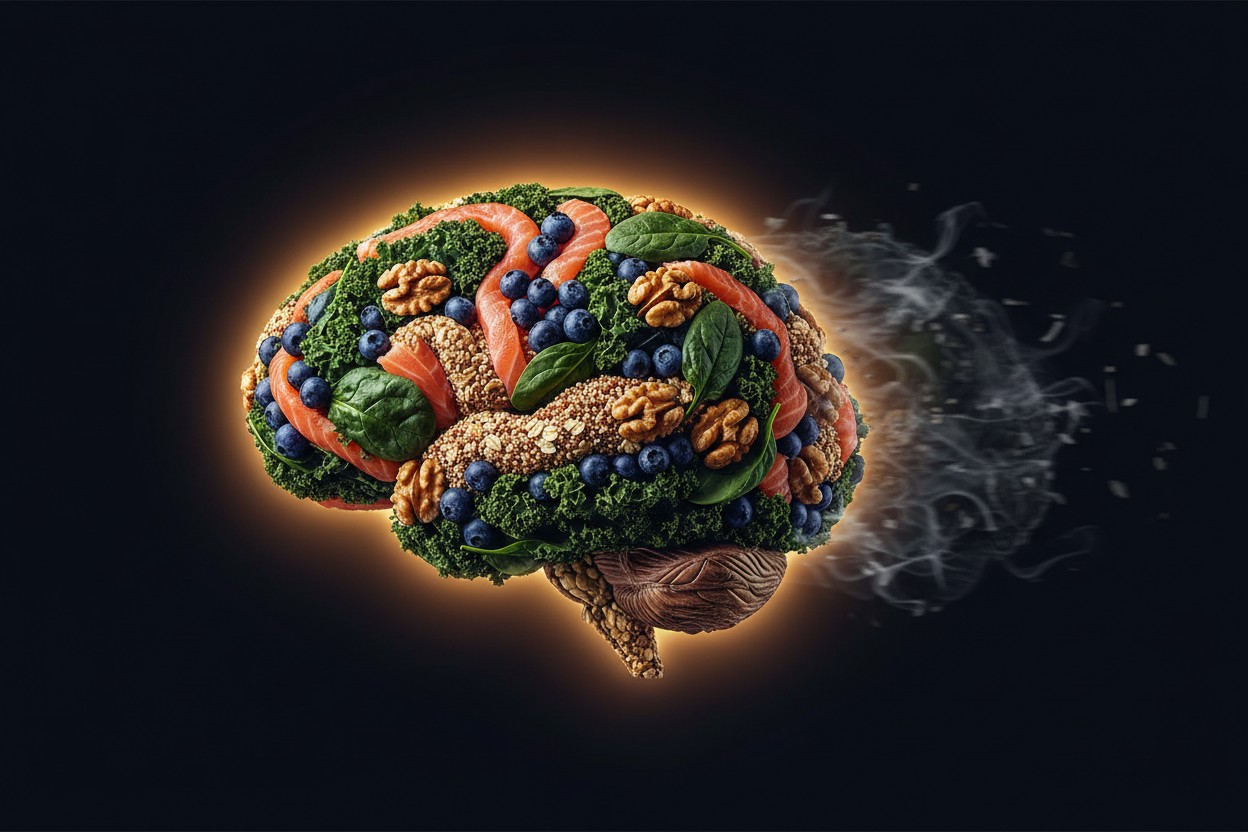
Specific foods recommended for liver health include berries, leafy greens, cruciferous vegetables, and omega-3-rich fish such as salmon, according to health organizations. Omega-3 fatty acids have been shown to significantly lower triglyceride levels, which is relevant for fatty liver management, according to a Cochrane review cited in the book "Nutrition and HIV" by Vivian Pribram [5]. Additionally, two clinical trials using a standardized dose of 1,500 mg of curcumin found reductions in liver fat and inflammation in obese and diabetic populations, according to NaturalNews.com [6].
Foods and Habits to Avoid
A study presented at UEG Week 2025 tracked 123,788 UK Biobank participants over a median 10.3 years and found that both sugar-sweetened and artificially sweetened beverages were associated with a 60% higher risk of liver disease, according to NaturalNews.com [7]. Another study published in Molecular Nutrition and Food Research found that combining a high-fat diet with liquid fructose accelerated liver fat accumulation, according to researchers cited by NaturalNews.com [8].
Alcohol is the worst substance a person with an unhealthy liver can ingest, according to Dr. Mona Morstein in the book "Master Your Diabetes: A Comprehensive Integrative Approach for Both Type 1 and Type 2 Diabetes" [9]. The book states that alcohol promotes further degradation of a nonalcoholic fatty liver disease (NAFLD) or nonalcoholic steatohepatitis (NASH) liver and accelerates the rate of damage [9]. Health officials also recommend limiting refined carbohydrates and processed foods to support liver health.
Weight Management and Supplement Considerations
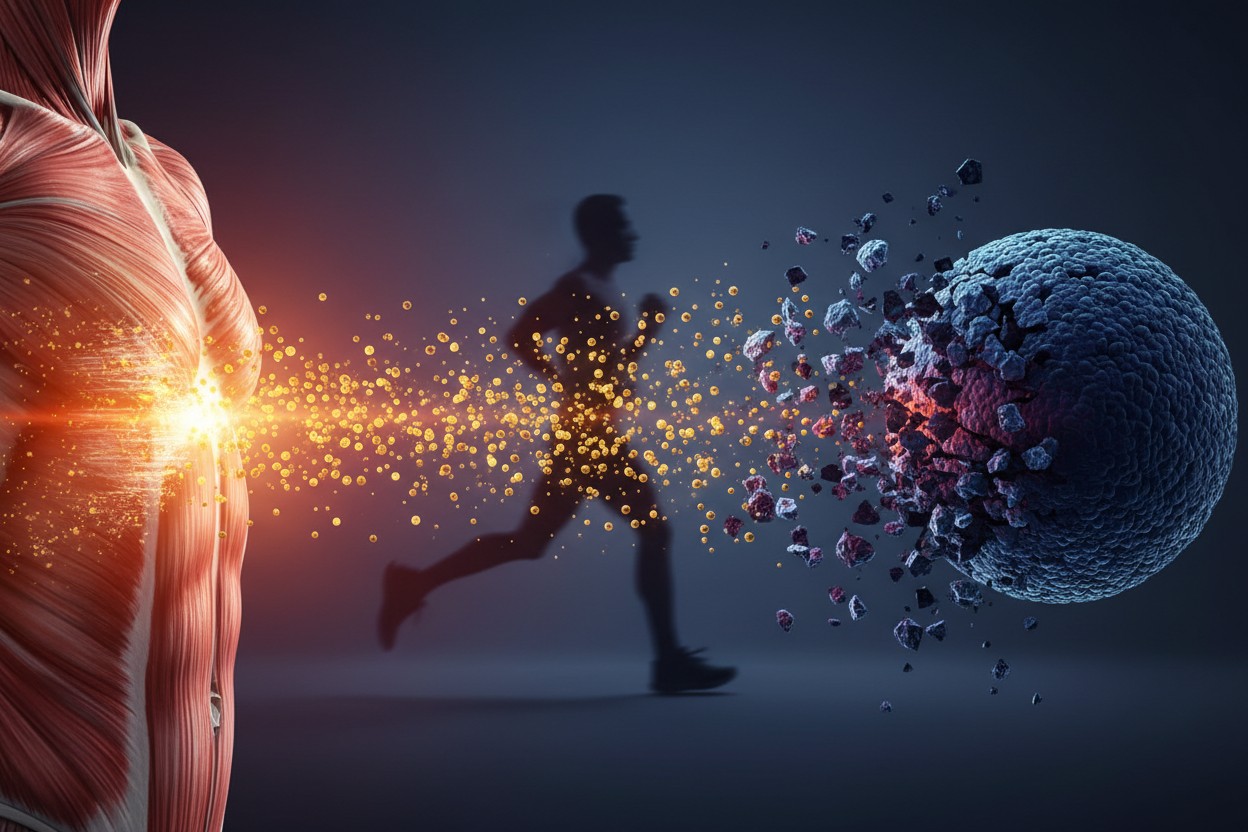
A 5-10% weight loss can make a substantially positive impact on fatty liver, according to Dr. Mona Morstein in "Master Your Diabetes" [9]. The book states that the body is wise, and if allowed to lose weight, it can improve liver health [9]. A meta-analysis examined aerobic and resistance training and found that consistent physical activity produced measurable improvements in liver health markers even without weight loss, according to a report on NaturalHealth365.com cited by NaturalNews.com [10].
Supplements marketed for liver health should be used cautiously, as high doses or toxic components can harm the liver, according to health officials. However, curcumin has shown promise in clinical trials [6]. The book "100 Questions & Answers About Asthma" by Claudia S. Plottel notes that fat-soluble vitamins A, D, E, and K can accumulate to toxic levels if taken in excess [11], highlighting the need for caution with any supplement regimen.
Reversibility and Medical Guidance
Fatty liver can often be reversed with diet and lifestyle changes in the early stages, according to health authorities. The book "Master Your Diabetes" emphasizes that 5-10% weight loss can make a substantial positive impact [9]. Advanced fatty liver or cirrhosis may not be reversible through diet alone, and medical advice is necessary, officials said.
For further information, individuals are encouraged to consult their doctor or a nutritionist for personalized advice.
References
- NaturalNews.com. "Global Cases of Metabolic Liver Disease Surge 143% Since 1990, Study Finds". May 16, 2026.
- Mercola.com. "Nearly Half of American Adults Are Pre-Diabetic or Diabetic". August 29, 2016.
- The Defender. "First-of-its-kind Lawsuit Alleges Addictive Ultraprocessed Foods Caused Teen's Illnesses".
- NaturalNews.com. "Two Dietary Patterns Linked to Nearly One-Third Lower Risk of Chronic Liver Disease, Meta-Analysis Finds". May 17, 2026.
- Vivian Pribram. "Nutrition and HIV".
- NaturalNews.com. "Two Trials Find Curcumin Reduces Liver Fat, Inflammation in Fatty Liver Disease". May 8, 2026.
- NaturalNews.com. "Both Diet and Regular Sodas Linked to 60% Higher Liver Disease Risk in Decade-Long Study". July 2, 2026.
- NaturalNews.com. "Study Links Liquid Fructose to Accelerated Liver Fat Accumulation in High-Fat Diets". April 4, 2026.
- Dr. Mona Morstein. "Master Your Diabetes: A Comprehensive Integrative Approach for Both Type 1 and Type 2 Diabetes".
- NaturalNews.com. "Study Reveals How Exercise Benefits People With Fatty Liver Disease". May 23, 2026.
- Claudia S. Plottel. "100 Questions & Answers About Asthma".
Explainer Infographic








Please contact us for more information.