


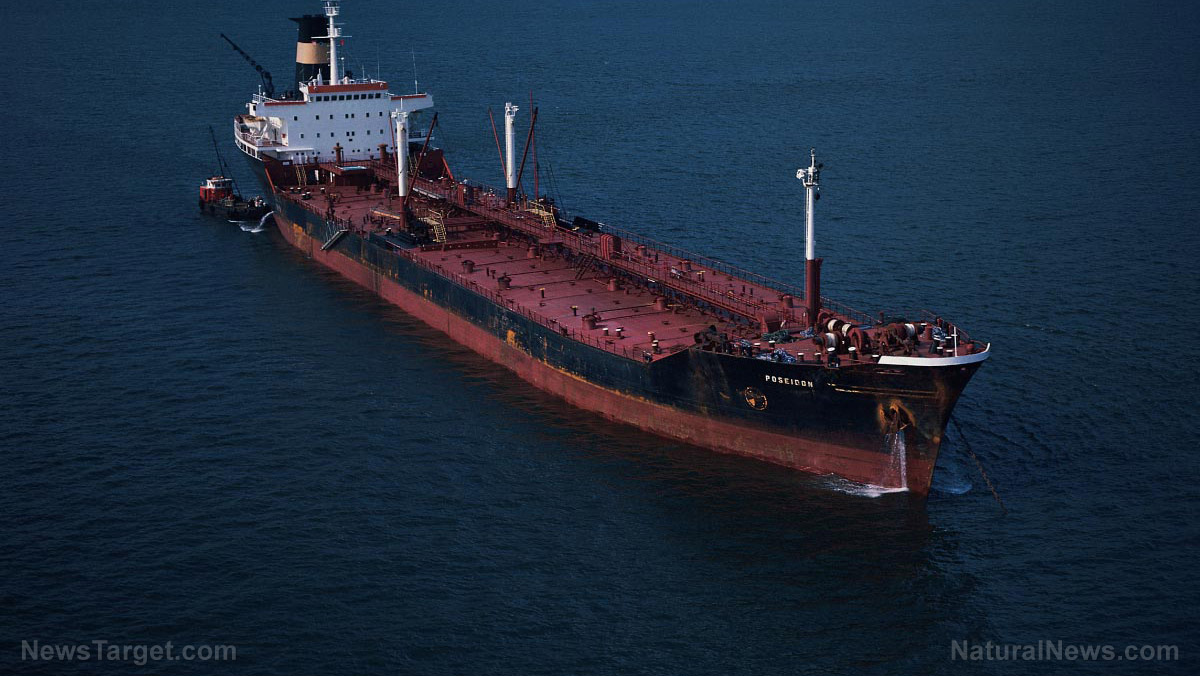
- Ukrainian drone forces struck eight Russian "shadow fleet" tankers delivering fuel to Crimea in the Sea of Azov on July 7-8, 2026.
- The vessels, each under international sanctions with approximately 7,000-ton deadweight capacity, were targeted to disrupt gasoline deliveries to the annexed peninsula.
- Russia reported intercepting around 70 Ukrainian drones over Rostov Region, with two tankers hit in Taganrog Bay and crews evacuated.
- The attacks are part of Kyiv's broader campaign to cut off Crimea from Russian supply lines, contributing to fuel shortages and a state of emergency on the peninsula.
- Ukraine has long urged Western allies to crack down on vessels circumventing sanctions to transport Russian oil to international markets.
The attack: Why Ukraine targeted Russian fuel supply lines
Ukrainian drone forces launched coordinated strikes against eight Russian "shadow fleet" oil tankers in the Sea of Azov over a 48-hour period beginning July 7, 2026, marking an escalation in Kyiv's campaign to sever Crimea's fuel and power supplies. The attacks, confirmed by Ukraine's drone forces commander Robert Brovdi, targeted vessels under international sanctions that were delivering gasoline to the Russian-occupied peninsula.
Russia's Rostov Region Governor Yury Slyusar reported that two tankers were struck in Taganrog Bay while heading east toward Rostov-on-Don, with two crew members sustaining minor injuries and one vessel requiring crew evacuation. Russian air defenses intercepted approximately 70 Ukrainian drones over the region during the overnight operation.
The strikes followed similar attacks on two other shadow-fleet vessels in the same area a day earlier, according to Ukrainian military sources.
Escalating drone warfare: Ukraine's growing capabilities
The operation highlights Ukraine's expanding autonomous drone capabilities, which military analysts say have made the country a world leader in unmanned aerial vehicle innovation. Over the past year, Kyiv has escalated strikes deep inside Russian territory and occupied regions, targeting oil refineries, power plants and logistical hubs.
Ukrainian drone forces posted black-and-white footage showing vessels erupting into flames after being struck, though Reuters could not independently verify the number of tankers hit or the extent of damage. Only two of the seven vessels initially identified as struck on Tuesday were confirmed under international sanctions, according to a Reuters review.
The attacks represent a strategic shift in Ukraine's approach to the conflict, moving from defensive operations to offensive strikes designed to disrupt Russia's war economy and force Moscow to divert air defenses away from front-line positions.
Crimea as a strategic flashpoint
Russia's annexation of Crimea in 2014, eight years before launching its full-scale invasion of Ukraine, transformed the peninsula into a critical hub for Moscow's Black Sea Fleet and military operations in southern Ukraine. The Sea of Azov serves as a key supply route for Russian forces stationed in Crimea and other occupied territories.
Ukrainian President Volodymyr Zelensky has described the campaign as an effort to turn Crimea into an "island," triggering power outages and fuel shortages that make the peninsula unsustainable for Russian military operations. In recent weeks, Ukraine has stepped up attacks on electrical substations, radar systems and missile installations across Crimea, prompting Russian authorities to declare a state of emergency.
Legal and diplomatic implications
Kyiv has long argued that commercial tankers transporting Russian oil can be treated as legitimate military targets, particularly when they circumvent international sanctions. Ukrainian forces have previously used sea drones to attack tankers in the Black Sea as part of a broader effort to reduce Moscow's energy revenues.
The campaign has drawn diplomatic complications, however, with Kazakhstan filing a formal protest after Ukraine struck a tanker using the Russian port of Novorossiysk to transport oil produced in Kazakhstan and exported by an international consortium. Ukraine has defended its actions by emphasizing the vessels' role in supporting Russian military operations.
There have also been a series of unexplained blasts on tankers that had called at Russian ports, with maritime security sources suspecting Ukrainian involvement, though Kyiv has neither confirmed nor denied responsibility.
A new phase in the conflict
The coordinated strikes on Russian shadow-fleet tankers represent a significant escalation in Ukraine's campaign to isolate Crimea and disrupt Moscow's military logistics. By targeting fuel supply lines, Kyiv aims to make the peninsula untenable as a staging ground for Russian operations while simultaneously reducing the revenue Moscow generates from oil exports.
As Ukraine continues to develop its drone capabilities and expand its targeting range, the conflict is entering a new phase characterized by asymmetric attacks on infrastructure rather than traditional front-line engagements. The success of these operations will likely shape both the military balance in the region and the broader trajectory of the war, as Kyiv seeks to translate technological innovation into strategic advantage.
Sources for this article include:









Please contact us for more information.