


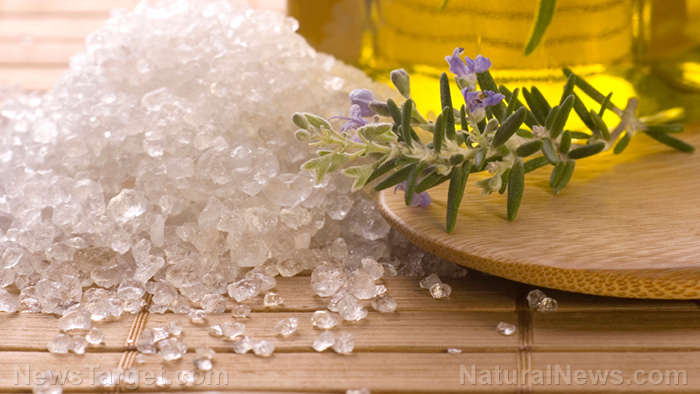
- Herbal eye sachets combining lavender, rosemary and salt offer drug-free stress and anxiety relief.
- Scientific studies confirm lavender and rosemary have measurable calming and cognitive effects.
- The DIY sachets can be used chilled for cooling therapy or warmed for tension relief.
- Both herbs are easy to grow at home, making the remedy sustainable and cost-effective.
- Safety precautions include patch testing for allergies and avoiding use on irritated skin.
The midday reset adults need
The concept of a "time-out" has long been reserved for overstimulated children, but health experts now suggest adults equally benefit from structured sensory breaks. According to recent research published in the Journal of Traditional and Complementary Medicine, the global stress epidemic has driven renewed interest in accessible, natural interventions that don't require prescriptions or clinical visits.
The answer may lie in an ancient practice reborn: the herbal eye sachet. These small fabric pillows, filled with dried lavender, rosemary and mineral salt, create what practitioners describe as a "portable sensory deprivation chamber" when placed over closed eyes. The combination of gentle weight, complete darkness and therapeutic aromas triggers measurable physiological shifts in the nervous system, offering relief in as little as eight minutes.
The practice gained renewed attention this summer as wellness advocates and aromatherapists highlighted the sachets' versatility—serving as both cooling compresses for hot days and warming therapy for tension headaches. For the estimated 40 million American adults suffering from anxiety disorders, these simple tools represent an increasingly attractive alternative to pharmaceutical interventions.
The science behind the soothing
The therapeutic claims surrounding lavender have moved from folk tradition to laboratory validation. A comprehensive review published in CNS Neuroscience & Therapeutics examined lavender's effects on the nervous system, finding substantial evidence for its anxiolytic, mood-stabilizing, sedative and analgesic properties. The herb's active compounds—particularly linalool and linalyl acetate—interact with the brain's emotional centers, promoting relaxation without the side effects common to synthetic sedatives.
Rosemary, traditionally relegated to culinary applications, has emerged as a cognitive enhancer in recent research. A 2025 double-blind crossover study published in Phytotherapy Research demonstrated that rosemary extract significantly reduced both trait and state anxiety in healthy adults. The study, involving 62 participants across two trials, confirmed the herb's safety profile while documenting improved heart rate variability—a key physiological marker of stress resilience.
The third component, salt, serves a dual purpose beyond its mineral weight. As a drying agent, salt absorbs humidity that would otherwise degrade the herbs' essential oils, extending the sachet's therapeutic potency. Additionally, salt crystals maintain temperature remarkably well, allowing the sachet to remain cool long after removal from refrigeration, providing sustained relief for inflamed eyes and throbbing temples.
A craft rooted in botanical tradition
Both lavender and rosemary trace their therapeutic lineage to Mediterranean civilizations, where they were cultivated for their medicinal properties. Lavender's name derives from the Latin lavare, meaning "to wash," reflecting its historical use in Roman bathing rituals. Rosemary, associated with remembrance since ancient Greek times, was traditionally woven into wedding crowns and funeral wreaths alike.
Today, these hardy perennials offer modern practitioners a sustainable source of medicine. Lavender thrives in USDA hardiness zones 5 through 9, while rosemary prefers the warmer zones 8 to 11—though northern gardeners can successfully grow it as an annual or overwinter it indoors. Both plants require only well-drained soil and full sunlight, making them ideal for windowsill cultivation.
The sachet construction itself requires minimal skill, with beginner-level projects taking approximately 30 minutes to complete. Materials include natural fiber fabrics such as cotton or linen, basic sewing supplies and the filling mixture of one-third cup dried lavender, one-quarter cup dried rosemary and one cup Himalayan rock salt.
Practical applications and future directions
The versatility of herbal eye sachets extends beyond simple relaxation. Aromatherapy practitioners recommend specific blends for targeted benefits: peppermint and eucalyptus for sinus pressure, frankincense and bergamot for deep sleep, and cedarwood with orange for meditation focus. The sachets can be chilled in the freezer for approximately fifteen minutes to create a cooling compress that constricts blood vessels and reduces puffiness, or warmed briefly in a microwave for penetrating heat that releases muscular tension.
Jennifer Lane, a certified aromatherapist and registered nurse who teaches eye pillow use, emphasizes the importance of simplicity in application. Her recommended protocol involves lying flat, placing the sachet over closed eyes, and focusing on ten slow, deep breaths—a technique she notes activates the Vagus nerve, the body's primary relaxation pathway.
A prescription for modern times
The resurgence of herbal eye sachets reflects a broader cultural shift toward proactive, natural health management. As healthcare costs continue rising and pharmaceutical side effects prompt consumer caution, accessible interventions like these offer what practitioners describe as "democratic wellness"—effective tools available to anyone with basic materials and thirty minutes of time.
The science supports what traditional healers have known for millennia: the combination of darkness, gentle pressure and therapeutic aroma creates a powerful neurological reset. In an era of constant digital stimulation and unprecedented stress levels, the simple act of lying still for eight minutes with an herbal sachet over one's eyes may represent the most revolutionary health practice of our time.
This article is for informational purposes only and does not constitute medical advice. Individuals with allergies or sensitivities should patch-test herbs and essential oils before use.
Sources for this article include:








Please contact us for more information.