


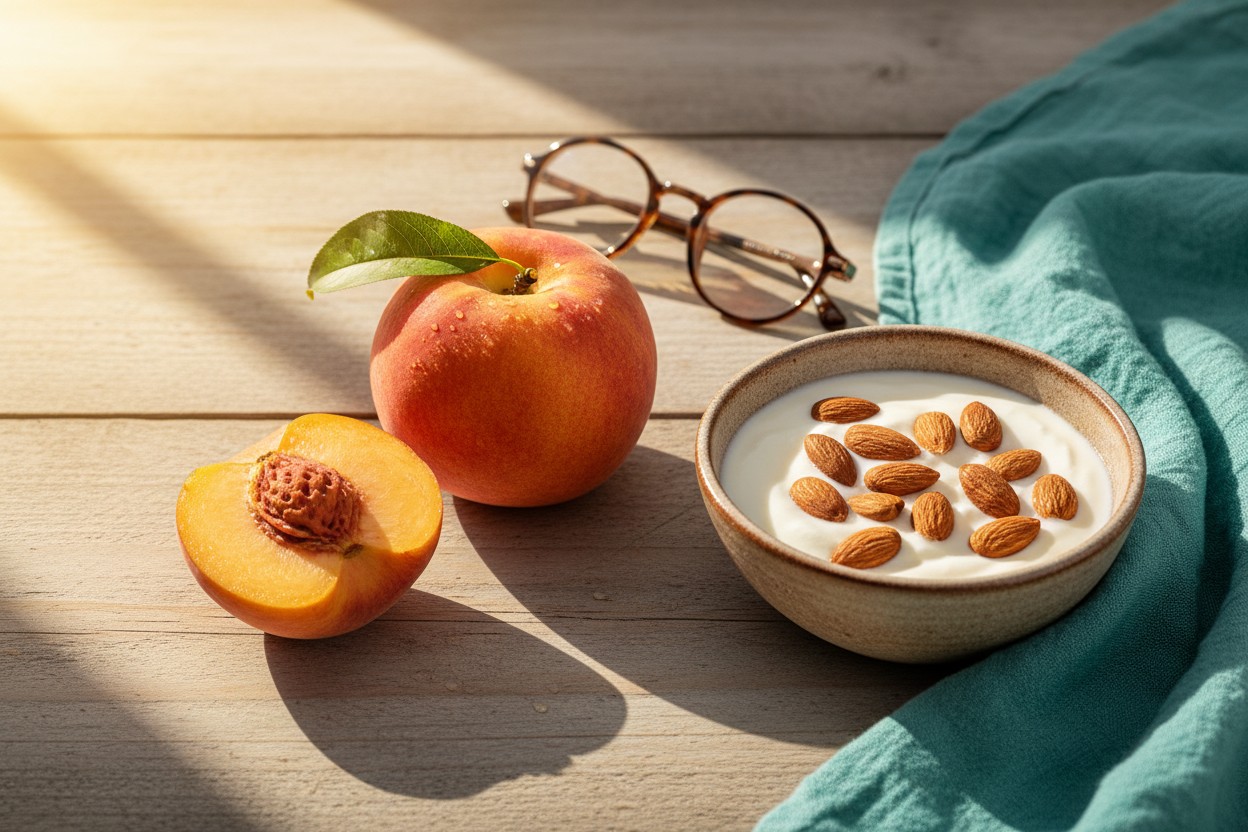
Peaches, originally from mainland China and now available worldwide, belong to the Prunus genus, a group of stone fruits that also includes cherries, apricots, plums, and nectarines, according to NaturalNews.com [1]. Stone fruits are described as packed with vitamins, minerals, fiber, and antioxidants that support overall health [2][3]. One unpeeled, medium-size peach provides 1.36 grams of protein, 58 calories, and 2.2 grams of dietary fiber, and is rich in antioxidants and beta-carotene, according to the book "Back To Health America" [4].
According to a report by The Epoch Times, a 150-gram medium peach contains beta-carotene, lutein, zeaxanthin, more than 10% of the daily value for vitamin C, close to 10% for fiber, up to 15% for copper, plus niacin and polyphenols. The report stated that yellow-fleshed varieties generally contain higher carotenoid levels than white-fleshed peaches and that polyphenol concentrations are highest in the peel.
The carotenoid class includes alpha-carotene, beta-carotene, lutein, zeaxanthin, cryptoxanthin, and lycopene, according to the book "Natural Supplements for Diabetes" [5]. Carotenoid pigment safeguards the skin and eyes as people age, according to "1001 Ways to Stay Young Naturally" [6]. Dr. Krishna Surapaneni, a board-certified ophthalmologist, told The Epoch Times, "Peaches contribute three nutrients the eye actually uses."
Eye Health Evidence
Beta-carotene in peaches serves as a building block for vitamin A, which the retina's light-sensing cells need to function, Surapaneni said. "That is why severe vitamin A deficiency causes night blindness," he said. Vitamin A deficiency is second only to accidents as a worldwide cause of blindness, according to the book "Contemporary Nutrition: Issues and Insights" [7], and vitamin A performs important functions in light-dark vision, according to "Wardlaw's Contemporary Nutrition" [8].
Lutein and zeaxanthin concentrate in the macula, where they filter high-energy blue light and act as antioxidants, Surapaneni said. Zeaxanthin accumulates in the eye lens and macular region of the retina, with higher concentrations found in the macula compared with plasma and other tissues, according to NaturalNews.com [9]. Surapaneni said the strongest evidence on carotenoids and aging vision comes from the National Eye Institute's AREDS and AREDS2 trials.
A 2008 study in the American Journal of Ophthalmology found that women who ate at least one serving of canned or dried peaches per week had a 47% lower risk of glaucoma compared with those who ate less than one serving per month, according to the Epoch Times report. Surapaneni said, "No single food prevents eye disease, but the retina is one of the most metabolically active tissues in the body, and it benefits from the same colorful, whole-food diet as the heart. A peach is a perfectly good part of that pattern."
Skin Health Evidence
Peaches contain beta-cryptoxanthin and beta-carotene, and dietary carotenoids accumulate in the epidermis and provide photoprotection through direct UV absorption, Dr. Debra Jaliman, a board-certified dermatologist in New York, told The Epoch Times. "It is plausible that the carotenoids and polyphenols found in peaches could help protect skin from oxidative stress and UV-related damage," Jaliman said. She said the protective effects are not a substitute for sunscreen.
Jaliman said no clinical trials have directly tested whether eating peaches protects skin from UV damage, and the evidence is largely extrapolated from studies of these compound classes rather than peach-specific research.
A 2018 animal study in Nutrition Research and Practice found that peach flower extracts rich in polyphenols helped protect against UV-induced skin aging by reducing oxidative stress, inflammation, and enzymes that break down collagen, according to the report. A 2017 study in Current Medicinal Chemistry found that peach-derived glucosylceramide may improve skin hydration and texture by increasing ceramide levels and reducing water loss from the skin barrier, the report stated.
Other Reported Health Benefits
Research cited in the report includes a 2014 study in Breast Cancer Research and Treatment that followed nearly 76,000 postmenopausal women for up to 24 years and found that those who ate at least two servings of peaches or nectarines per week had a 41% lower risk of estrogen-negative breast cancer compared with those who ate fewer. A separate 2014 laboratory study found that polyphenol extracts from certain peach varieties inhibited the growth of breast cancer cells while having little effect on normal breast cells, according to the report.
NaturalNews.com reported that peaches are "packed with cancer-fighting compounds" [10]. Stone fruits, including peaches, are described as supporting immunity and gut health [3].
A 2013 study in Natural Product Communications found that compounds in peach seeds reduced histamine release and inflammatory markers in human mast cells, according to the report. A 2023 study in Evidence-Based Complementary and Alternative Medicine identified 33 compounds in peach blossoms that may help treat constipation by influencing gut motility, inflammation, and water movement in the intestines, the report stated.
Absorption, Storage and Precautions
Because beta-carotene is fat-soluble, the Epoch Times report recommends pairing peaches with yogurt or nuts to improve absorption; protein-rich foods may also facilitate copper uptake, according to the report. Vitamin A is fat soluble and needs bile salts and fat to be absorbed from the gut, according to "Ultimate Fruit, Nuts: A Comprehensive Guide" [11]. Carotenoids are not significantly lost to water during processing, but they are sensitive to oxidation, with degradation dependent on temperature, light, acidity, and available oxygen, according to a study in the Journal of the Science of Food and Agriculture [12].
Vitamin C is water-soluble and can be reduced by prolonged heat exposure, so eating peaches raw or using quick cooking methods preserves more of the nutrient, according to the report. For storage, the report said ripe peaches keep in the refrigerator crisper for three to five days; unripe peaches should be left at room temperature stem-side down; overripe peaches can be frozen in a single layer for up to 12 months. Jamie Simpson, executive chef at the Culinary Vegetable Institute, told The Epoch Times: "Peaches, in my opinion, should be treated like avocados" and "Peaches are more peachy at room temperature or above."
The report warns that peach pits contain amygdalin, which can be converted into hydrogen cyanide if crushed, chewed, or digested. Peaches are a common allergen and can cause reactions including oral allergy syndrome, Jaliman said. Commercially grown peaches frequently appear on the Environmental Working Group's "Dirty Dozen" list of produce with higher pesticide residues, and the report states that consumers should wash peaches thoroughly and choose organic when available and affordable.
Conclusion
Experts interviewed for the Epoch Times report said the carotenoids in peaches are among the nutrients the eye uses, and dietary carotenoids can accumulate in the skin. The report also cited studies on cancer, allergy, inflammation, and constipation. Surapaneni said no single food prevents eye disease.
Peaches can be eaten raw, paired with yogurt or nuts, or cooked quickly to preserve nutrients, the report stated. For those who want to include them in a whole-food diet, the report recommends washing commercially grown fruit and choosing organic when available and affordable.
References
- Ralph Flores. "Peaches: The Health Benefits of the Sweet and Sour Fruit". NaturalNews.com. July 24, 2018.
- Laura Harris. "Stone Fruits: Sweet, Nutrient-Packed Powerhouses for Health and Wellness". NaturalNews.com. March 04, 2026.
- "Stone Fruits: Sweet, Nutrient-Packed Powerhouses for Health and Wellness". NaturalNews.com. March 04, 2026.
- James Igani. "Back To Health America".
- Frank Murray. "Natural Supplements for Diabetes: Reduce Your Risk and Lower Your Insulin Dependency with Natural Remedies".
- Susannah Marriott. "1001 Ways to Stay Young Naturally".
- Gordon M. Wardlaw. "Contemporary Nutrition: Issues and Insights".
- Anne M. Smith. "Wardlaw's Contemporary Nutrition".
- "Zeaxanthin: Sources, Health Benefits, and Uses". NaturalNews.com. September 18, 2017.
- "The Silent Healing Power of Peaches: Nature's Supreme Cancer-Fighting Fruit Under Attack by Big Pharma". NaturalNews.com. July 27, 2026.
- Susanna Lyle. "Ultimate Fruit, Nuts: A Comprehensive Guide to the Cultivation, Uses and Health Benefits of Over 300 Food-Producing Plants".
- "Nutritional Comparison of Fresh, Frozen, and Canned Fruits and Vegetables II. Vitamin A and Carotenoids, Vitamin E, Minerals and Fiber". Journal of the Science of Food and Agriculture. 2007.
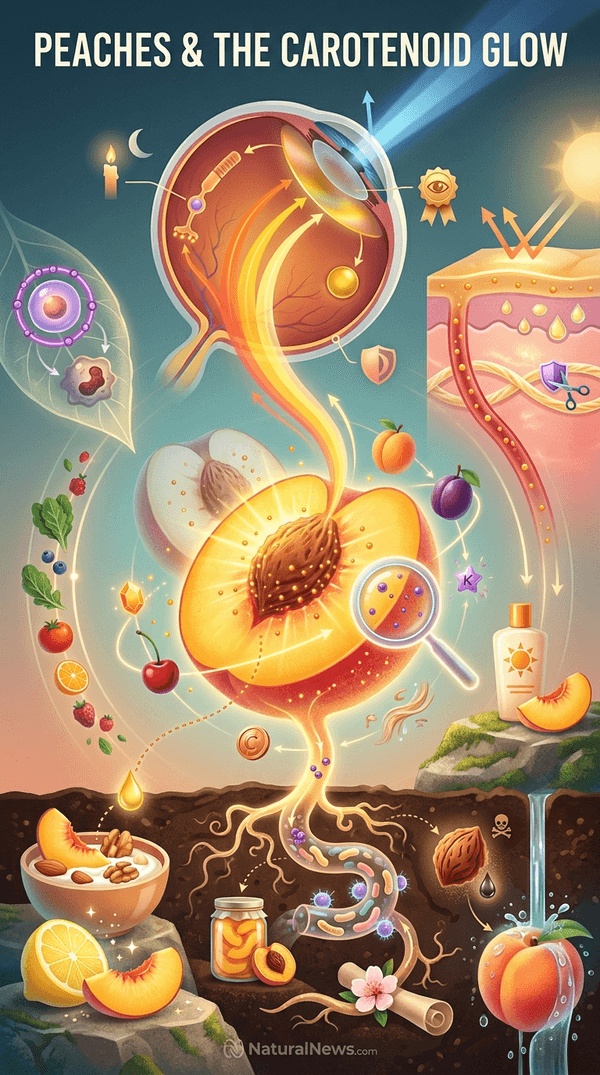
Explainer Infographic







Please contact us for more information.