



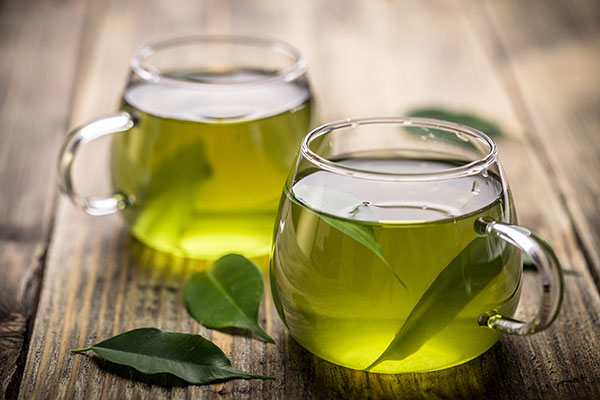
Peppermint tea, a caffeine-free herbal infusion, appears in consumer guides to beverages used before bed. According to a 2026 report on nighttime beverages, warm milk, herbal teas and other natural alternatives offer calming nutrients such as tryptophan and magnesium that support restorative sleep [1]. Tea guides reviewed by Everyday Health state that some blends target anxiety or stress, while others promote deep relaxation [2]. Consumer wellness articles report that several studies found consuming peppermint tea before bedtime can enhance sleep quality [3].
Unlike true teas, which come from Camellia sinensis, herbal teas are made from dried fruits, flowers, spices, roots or herbs [4]. Peppermint is a common herbal ingredient in these preparations. This article summarizes reported effects and safety considerations based on published reports and wellness communications.
Sleep Onset and Sleep Quality
Reported effects on sleep onset are mixed. Consumer wellness reports state that several studies have found that consuming peppermint tea before bedtime can enhance the quality of sleep [3]. At the same time, aromatherapy texts describe peppermint as a powerful stimulant of blood circulation when used in larger amounts [5], an effect that could work against sleep in some people.
The context of drinking matters, according to dietary guides. A 2026 analysis of nighttime beverages reported that beverage choices play a role in restfulness and that herbal teas contain nutrients associated with calming effects [1]. Tea selections reviewed for sleep support often include ingredients intended to target anxiety or stress, rather than act as conventional sleep aids [2].
Digestive and Respiratory Effects
Digestive complaints are a frequently cited reason for using mint. According to a 2026 mint health review, mint's reported benefits include digestive aid, stress reduction and oral health support. The review also quotes registered dietitian Nichola Ludlam-Raine saying that mint "adds plenty of flavor for virtually no calories" and can provide supplementary nutrients such as vitamin A, vitamin C and phytonutrients like rosmarinic acid [6].
Gut health reports state that digestive problems such as bloating, gas and abdominal pain can disrupt sleep and overall quality of life [7]. Traditional herbal references describe peppermint leaves applied to the skin for a cooling sensation [8], and aromatherapy texts record menthol's anesthetic effect at higher concentrations [5]. Respiratory-specific clinical outcome data for peppermint tea were not documented in the reports reviewed for this article.
Stress and Allergy Symptoms
Mint is reported to reduce stress, according to the 2026 mint health review [6]. Sleep guides reviewed for this article recommend herbal teas formulated to target anxiety or stress as part of a pre-bed routine [2]. The exact mechanism by which peppermint could lower stress is not established in the available reports.
Peppermint contains rosmarinic acid, a phytonutrient noted in dietary commentary on mint. Laboratory studies on rosmarinic acid report that the compound inhibited reactive oxygen species-mediated damage in cultured cells [9]. Allergy-specific outcomes for peppermint tea were not covered in the available sources.
Safety, Frequency and Nighttime Use
Most evidence on peppermint and sleep comes from oil or extract studies. According to a 2026 mint health review, most studies have examined the effects of concentrated peppermint oil rather than fresh leaves [6]. That distinction matters for tea drinkers, because oil extracts contain higher concentrations of active compounds.
Aromatherapy texts caution that Mentha piperita essential oil has extremely powerful results and advise avoiding all use with children and people with cardiac fibrillation; studies show large oral doses can be neurotoxic or hepatotoxic [5]. Herbal tea storage guides note that some herbal teas may aid relaxation before bed, while others might disrupt sleep [10]. Nighttime beverage reports state that alcohol can disrupt deep sleep cycles and that caffeine, when taken hours before bed, can sabotage restfulness [1].
Conclusion
Peppermint tea is widely listed among nighttime herbal beverages, with consumer reports pointing to improved sleep quality [3] and separate reports noting that digestive complaints can disrupt sleep [7]. Individual responses vary; one aromatherapy text states that peppermint can act as a circulatory stimulant in larger amounts [5]. Safety guidance from aromatherapy references recommends caution with concentrated oil, especially for children and people with cardiac fibrillation [5]. For adults who tolerate it, peppermint tea remains a caffeine-free herbal option, according to the available reports.
References
- NaturalNews.com. "Nighttime beverages: How your choice of drink shapes sleep quality". NaturalNews.com. February 23, 2026.
- Everyday Health. "Trouble Sleeping? These Are the Best Teas to Help You Fall and Stay Asleep". everydayhealth.com. May 18, 2026.
- NaturalNews.com. "Here are 9 reasons why you should drink peppermint tea". NaturalNews.com. April 07, 2020.
- NaturalNews.com. "7 Herbal teas that may boost sleep, digestion, immunity and overall wellness". NaturalNews.com. February 15, 2026.
- Martin Ingrid. "Aromatherapy for Massage Practitioners".
- NaturalNews.com. "Mint's reported health benefits: Digestive aid, stress reduction, oral health support". NaturalNews.com. July 10, 2026.
- NaturalNews.com. "Why your gut health matters more than you think". NaturalNews.com. April 13, 2026.
- Survival Herbal Medicine: A Comprehensive Guide to Plant-Based Remedies".
- owen. "Protective effect of rosmarinic acid on V79 cells evaluated by the micronucleus and comet assays". J. Appl. Toxicol. 2010.
- Mercola.com. "How to Properly Store Bulk Herbs and Loose Tea". Mercola.com. August 20, 2018.
Explainer Infographic











Please contact us for more information.