


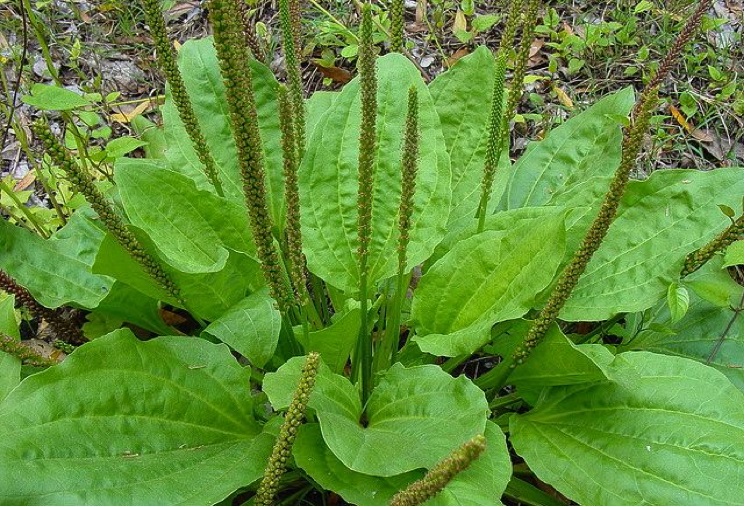
- Plantain (Plantago major), a common backyard weed, possesses significant wound-healing, anti-inflammatory, and antimicrobial properties validated by modern research.
- Its historical use spans millennia, documented in ancient Persian, European, and Native American medicinal traditions for treating skin injuries, digestive issues, and respiratory ailments.
- The herb acts as a demulcent, soothing the gut lining, and is effective for conditions like ulcers, gastritis, diarrhea, and constipation.
- Key bioactive compounds include mucilage, allantoin, flavonoids, and phenolic acids, which contribute to its therapeutic effects.
- Plantain is safe, widely accessible, and can be prepared as a poultice for skin or a tea for internal use, representing a powerful natural first-aid remedy.
From weed to wonder: The resurgence of a forgotten healer
In lawns, sidewalk cracks, and garden edges across the globe, a persistent weed is staging a quiet comeback—not as a nuisance, but as a validated herbal remedy. Plantago major, the broadleaf plantain, has been a staple of traditional medicine for thousands of years, prescribed by ancient Persian physicians, documented by medieval monks, and used by generations of grandmothers to treat bee stings. Today, a growing body of scientific research is confirming what these traditions long held: this ubiquitous plant is a potent healer for wounds, digestive distress, and inflammation, offering a compelling example of nature’s pharmacy thriving right underfoot.
A tenacious history of healing
Plantain’s story is inextricably linked with human habitation. Its common names—like “white man’s foot” or “Englishman’s foot” given by Native Americans—testify to its tendency to spread along pathways and thrive in compacted soils wherever people settled. This tenacity made it a constant, readily available resource. Its medicinal uses were meticulously recorded in Avicenna’s 10th-century Canon of Medicine for conditions ranging from fevers and coughs to bleeding and wounds. In Europe, it was celebrated in medieval herbals and even referenced by Shakespeare. This global historical footprint underscores a deep, cross-cultural trust in its efficacy.
First aid in a leaf: Wound healing confirmed
Plantain’s most celebrated use is as a topical vulnerary—an herb that promotes tissue repair. Traditionally applied as a chewed or crushed “spit poultice” directly onto cuts, scrapes, insect bites, and splinters, it was believed to draw out toxins, reduce swelling, and speed healing. Modern studies now affirm this use. Research has confirmed its anti-inflammatory, antimicrobial, and analgesic properties. A 2022 study specifically found a Plantago major ointment to be safe and effective for healing second-degree burns, demonstrating wound-healing, pain-relieving, and antimicrobial actions. The plant contains compounds like allantoin, which promotes cell proliferation, and mucilage, which forms a soothing, protective barrier.
The gut’s soothing ally
Beyond skin-deep applications, plantain harbors a lesser-known superpower: soothing the digestive tract. Classified as a demulcent, the herb is rich in mucilage—a gel-like soluble fiber that coats and calms irritated mucous membranes. This makes it a valuable remedy for internal inflammation, such as gastritis, colitis, and stomach ulcers. Interestingly, different parts of the plant offer complementary benefits. The leaves, with their anti-inflammatory and astringent tannins, can help normalize mild diarrhea. The seeds, even richer in mucilage, swell with water to add bulk and moisture to stool, providing gentle relief for constipation. It works not by forcing a specific action, but by helping to rebalance and protect the gut environment.
Bridging tradition and laboratory evidence
The convergence of traditional wisdom and contemporary science is striking. A 2018 review comparing historical Persian applications with modern pharmacological research found strong alignment. Studies have isolated bioactive flavonoids and phenolic compounds that explain plantain’s antioxidant and anti-inflammatory effects. Clinical work has validated its benefits for gastrointestinal bleeding, hemorrhoids, and oral mucositis in cancer patients. This research transforms plantain from a folk remedy into an evidence-based phytomedicine, confirming its mechanisms of action while honoring its historical context.
Harvesting nature’s accessible remedy
Using plantain is remarkably straightforward. For a quick poultice, clean, fresh leaves can be bruised and applied directly to the skin. For internal use, a simple tea can be made by steeping dried leaves. Herbalists often combine it with other soothing herbs like calendula or marshmallow for enhanced effect. As with any herbal remedy, it is crucial to harvest from clean, uncontaminated areas—avoiding roadsides or sprayed lawns—and to consult a healthcare practitioner if pregnant, nursing, on medication, or managing a health condition.
Reconnecting with the ground beneath our feet
The story of Plantago major is more than a catalog of biochemical benefits; it is a reminder of the resilient, often overlooked healing resources that coexist with us. In an age of complex pharmaceuticals, plantain represents a return to simplicity and accessibility. It embodies the principle that powerful medicine does not always come from a bottle but can be rooted in ancient, shared human knowledge and the very ground we walk on. As science continues to validate these traditions, this humble “weed” reclaims its rightful place as a cornerstone of practical, natural health.
Sources for this article include:








Please contact us for more information.