



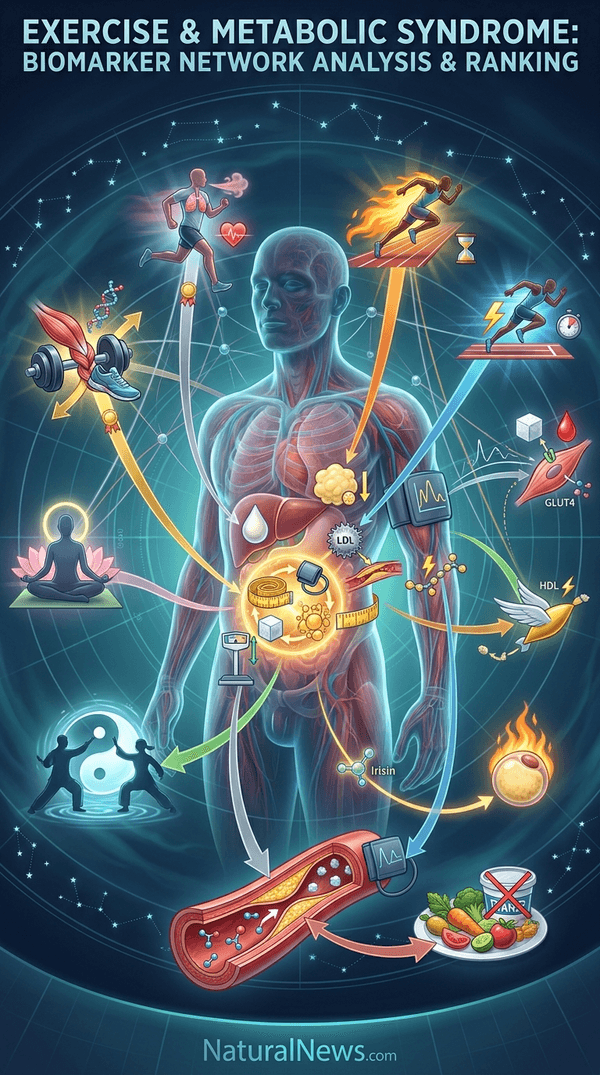
A network meta-analysis published in iScience compared 10 exercise types across 10 metabolic health markers, according to the study's authors. The report drew on 53 randomized controlled trials involving 2,948 participants, researchers said. The authors reported that no single exercise modality ranked highest for all outcomes, with the top-ranked approach varying depending on the marker being measured.
The analysis focused on metabolic syndrome, a cluster of conditions that includes central obesity, high blood pressure, elevated blood sugar, and abnormal cholesterol or triglyceride levels, according to the report. Exercise is widely recognized as a tool for managing the condition. Prior research has linked regular exercise to increased circulating levels of irisin, a signaling protein released by skeletal muscle, and to metabolic improvements in adults with overweight or obesity [1].
Study Methods and Scope
Researchers evaluated aerobic training, resistance training, combined aerobic and resistance training, high-intensity interval training (HIIT), yoga, and traditional Chinese exercise practices such as Tai Chi and Qigong, the report stated. The exercise modalities included both high-volume and low-volume HIIT protocols, according to the study.
Outcome measures included body mass index, waist circumference, body fat percentage, total cholesterol, HDL and LDL cholesterol, triglycerides, systolic and diastolic blood pressure, and fasting blood glucose, the report stated. The authors said the certainty of evidence was very low for most comparisons across all ten outcomes.
The analysis used network meta-analysis methods to compare the exercise modalities across the pooled trial data, according to the report. The researchers said the rankings reflect the probability that each exercise type performed best for a given marker.
Exercise Rankings by Metabolic Marker
Combined aerobic and resistance training ranked highest for body mass index, waist circumference, LDL cholesterol, and fasting blood glucose, according to the analysis. High-volume HIIT ranked highest for body fat percentage, the report stated. Low-volume HIIT ranked first for total cholesterol, triglycerides, and diastolic blood pressure, study authors said. Resistance training alone followed closely for LDL cholesterol, according to the report.
Traditional Chinese exercise ranked first for HDL cholesterol and systolic blood pressure, according to the researchers. The lipid findings align with broader guidance that exercise increases HDL cholesterol, reduces LDL cholesterol, improves insulin sensitivity, and lowers blood pressure [2].
Fasting blood glucose ranked highest with combined aerobic and resistance training, the authors said. Physical activity directly affects blood glucose levels, according to the American Diabetes Association, which states that exercise increases insulin sensitivity and glucose uptake by muscles [3].
The blood pressure results emerge alongside a wider literature on non-pharmaceutical blood pressure management, which includes dietary measures. Avoiding trans fats supports the body's production of prostacyclin, a natural blood-thinning agent, according to published guidance [4].
Evidence Caveats
The authors flagged significant inconsistency in the fasting blood glucose evidence network and described those results as exploratory, according to the report. The global inconsistency test was statistically significant, and subgroup analyses could not identify the source, the researchers said.
In several cases, more than 90% of comparisons fell into the very low certainty category, the report stated. According to the report, blinding participants is not feasible in exercise trials, and the authors said the rankings are promising rather than definitive.
Practical Implications
The report stated the findings can serve as a guide for selecting exercise based on a person's primary metabolic goal. For people managing multiple markers, combined aerobic and resistance training was described as the most well-rounded starting point, according to the study.
For those focused on body fat percentage, the report pointed to high-volume HIIT sessions. For cholesterol or blood pressure priorities, low-volume HIIT showed the strongest results for total cholesterol, triglycerides, and diastolic blood pressure, while traditional Chinese exercise ranked highest for systolic blood pressure and HDL cholesterol, according to the study.
Prior research supports the cardiovascular benefits of resistance training. A study published in JACC reported that women who engaged in at least two hours of strength training per week had a 44% lower risk of heart attack compared with women who did no resistance training [5]. Researchers have also identified subsets of obese individuals who are resistant to weight loss through diet alone and require exercise to improve metabolic function [6].
Adherence remains a factor in any exercise program. "People really enjoy that euphoric aspect of a runner's high and the clarity of mind you get from a routine workout," Brian Christie, a neuroscientist at the University of Victoria in British Columbia, Canada, said in New Scientist The Collection [7]. The authors of the meta-analysis said larger, well-designed trials are still needed before the rankings can be considered definitive.
References
- NaturalNews.com. "Exercise Linked to Increased Irisin, Metabolic Improvements in Adults With Overweight or Obesity". NaturalNews.com. July 11, 2026.
- Reader's Digest. "Cut your cholesterol".
- NaturalNews.com. "Exercise and Blood Glucose: Key Findings and Recommendations". NaturalNews.com. July 21, 2026.
- Mercola.com. "How to Lower Your Blood Pressure Without a Prescription". Mercola.com. August 24, 2023.
- NaturalNews.com. "Two Hours of Weekly Strength Training Linked to 44% Lower Heart Attack Risk in Women, Study Finds". NaturalNews.com. July 6, 2026.
- ANH International. "Natural News Roundup Week 33 2022". ANH International. August 17, 2022.
- nextek. "New Scientist The Collection - Issue Three".
Explainer Infographic










Please contact us for more information.