


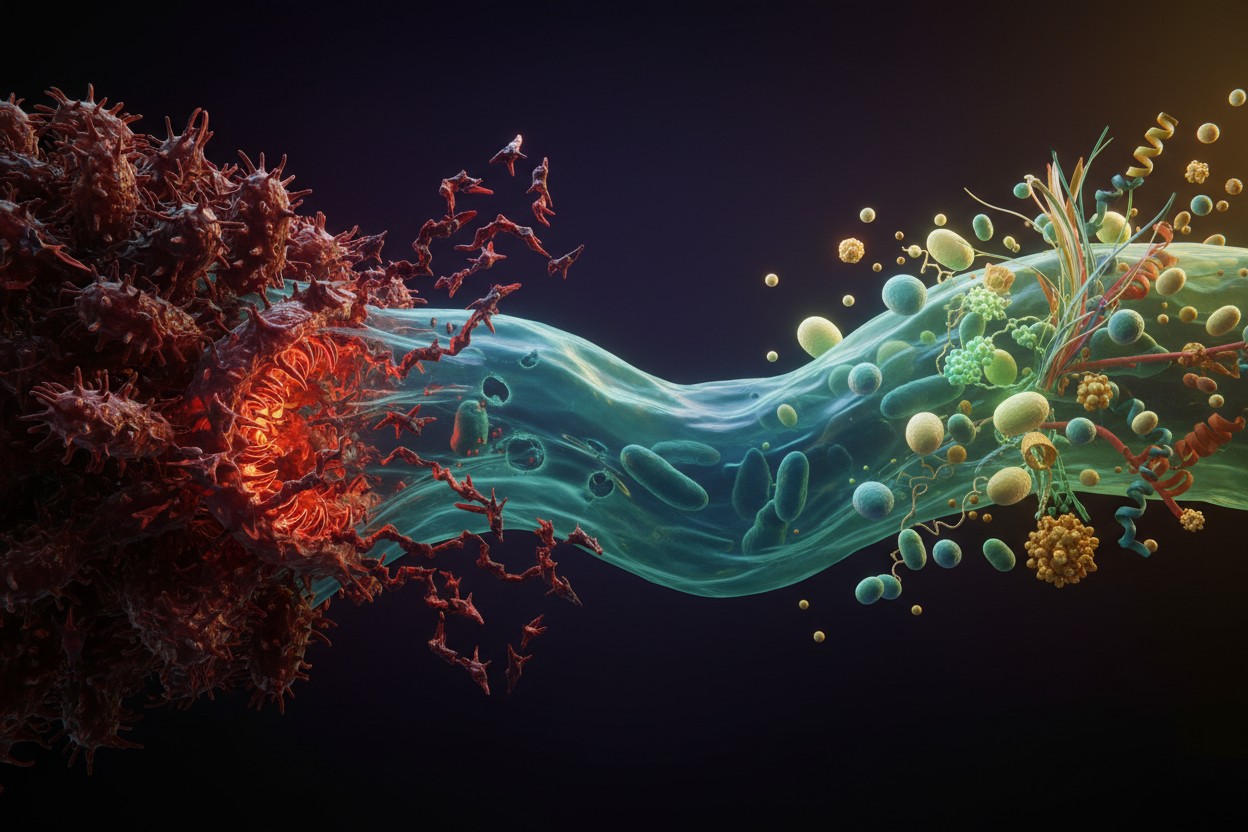
Two studies led by researchers at the Ludwig Institute for Cancer Research at Princeton University have found that when dietary fiber is scarce, gut microbes may begin consuming proteins from the mucus lining that protects the gut, producing harmful metabolites. The research, published in the Proceedings of the National Academy of Sciences and Nature Metabolism, also identified a class of indigestible plant proteins, termed 'proteins imitating fiber' or Prif, that shift microbial metabolism toward the production of beneficial compounds.
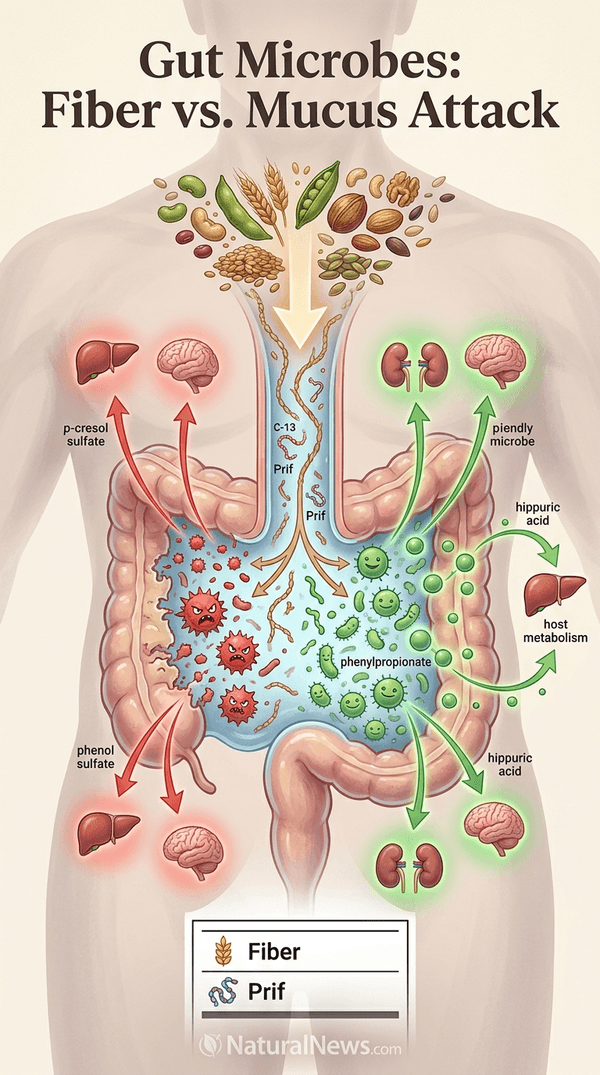
According to the reports, the findings provide new insight into how plant-based diets influence gut health and metabolite production. The PNAS study examined how plant-based foods affect phenol metabolites derived from the amino acids tyrosine and phenylalanine, finding that fiber and Prif shift the balance from harmful compounds such as p-cresol sulfate and phenol sulfate to beneficial ones like phenylpropionate and hippuric acid.
PNAS Study: Fiber and Plant Proteins Alter Phenol Metabolite Balance
The PNAS study, led by Jenna AbuSalim and Joshua Rabinowitz of Ludwig Princeton, used isotope tracing in mice to determine the origins of phenol metabolites. The researchers found that 'bad' phenols were produced when gut bacteria consumed proteins from the host, including proteins in the mucus lining of the gut. 'Good' phenols originated from indigestible proteins in the diet, which they call Prif. Fiber reduced the bacterial breakdown of the gut's mucus lining, lowering harmful phenol levels, while Prif increased the amount of dietary protein reaching gut microbes, boosting beneficial phenol production.
"Our studies showed that both the fiber and indigestible proteins from plants -- which we call 'proteins imitating fiber,' or Prif -- shift the balance of phenol metabolites from the harmful kind made from tyrosine to the healthful variety derived from phenylalanine," AbuSalim said in a statement. The researchers noted that fiber has long been recognized as important, but indigestible plant proteins have received far less attention. Previous research has also shown that a low-fiber diet can lead to leaks in the mucus layer of the gut lining, as described in a 2018 study highlighted by author Dave Asprey in his book "Super Human" [1].
Nature Metabolism Study: Host Metabolism Produces Key Metabolites Independently of Microbiome
The second study, published in Nature Metabolism in June 2026, investigated the origins of indole and phenol metabolites. Using isotope tracing in mice, rats, and human cells, the researchers observed that mammalian metabolism can produce many of these compounds without gut microbes. For example, circulating levels of indole-3-lactate and indole-3-acetate remained high after antibiotic treatment disrupted the microbiome, similar to patterns seen in patients taking antibiotics.
Metabolites made exclusively by microbes, such as indole-3-propionate and p-cresol sulfate, declined after antibiotic treatment, indicating different production routes for different metabolites. The findings challenge the assumption that these compounds are produced only by gut bacteria, according to the researchers. Joshua Rabinowitz, director of Ludwig Princeton, stated that there is "growing interest across medical disciplines in manipulating the human microbiome or using its metabolic products themselves for therapy." He added that understanding the diet's role in controlling microbial outputs is essential for devising effective interventions.
Implications for Diet and Microbiome-Based Therapies
Together, the two studies provide a clearer picture of where phenol and indole metabolites come from and how they are produced, which could inform the development of precise dietary or probiotic interventions to raise or lower specific compounds. The findings suggest that indigestible plant proteins represent an emerging class of dietary nutrients that shape gut microbiome composition and metabolic health. Rabinowitz noted that "food packaging may eventually list Prif right below fiber."
The research adds to a growing body of evidence linking fiber intake to health outcomes. According to a report from NaturalNews.com, multiple peer-reviewed studies have associated higher dietary fiber intake with better cognitive function and a lower risk of depression [2]. Additionally, Dr. Mercola, writing in 2016, highlighted that when gut microbes run low on fiber, they may feed on the host, underscoring the importance of providing sufficient prebiotic fiber [3]. The new studies offer a mechanistic explanation for such observations.
Conclusion
The research adds detail to the understanding of diet-microbiome interactions, indicating that both fiber and indigestible plant proteins play distinct roles in microbial metabolism and host health. The studies were funded by the Ludwig Institute for Cancer Research, the National Institutes of Health, and other agencies. Further studies are needed to translate these findings into clinical applications, but the work provides a basis for more targeted nutritional recommendations.
References
- Dave Asprey. "Super Human."
- NaturalNews.com. "Studies Link Dietary Fiber to Brain Health, Mood Regulation." August 16, 2026.
- Dr. Mercola. "Feed Your Gut Microbes Well, Lest They Feed on You." Mercola.com. December 14, 2016.
- Casey Means, MD. "Good Energy: The Surprising Connection Between Metabolism and Limitless Health."
Explainer Infographic







Please contact us for more information.