


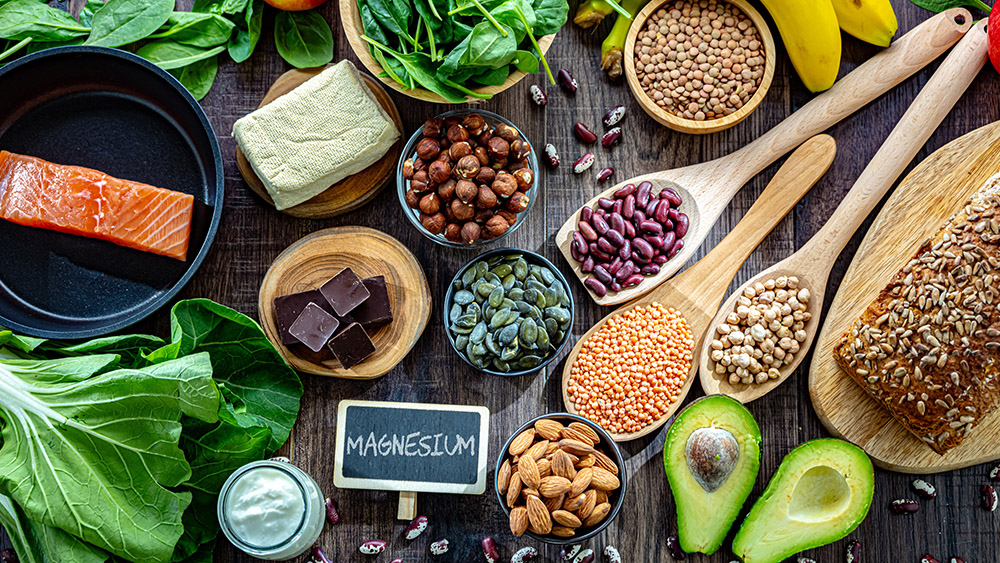
- Diet directly impacts cognitive aging, with a study finding that diets rich in fiber, unsaturated fats and specific micronutrients (like vitamins A and E) are linked to sharper memory and better brain health in older adults.
- A significant shift in Alzheimer's research is underway, moving from a focus on unsuccessful pharmacological cures toward lifestyle and nutritional prevention as the most promising strategy.
- A widespread "nutrition gap" exists, as the study revealed that older adults commonly lack these brain-protective nutrients in their diets while often consuming high amounts of refined grains, which are negatively associated with cognitive function.
- The science is clear on how nutrition protects the brain: components like fiber reduce harmful inflammation and antioxidants combat oxidative stress, directly influencing the brain's health and resilience.
- The findings empower individuals, underscoring that cognitive health is significantly influenced by daily dietary choices and that nutrition must become central to neurology and prevention strategies.
In an era defined by a soaring population of older adults and a desperate search for ways to stem the tide of dementia, a study published in the journal Nutrients offers a compelling, yet frustratingly simple, insight: What we eat directly fuels—or fails—our aging minds. Research from South Dakota State University provides fresh evidence that diets rich in fiber and specific micronutrients are linked to sharper memory and better brain health in adults over 65. Led by assistant professor Samitinjaya Dhakal, the study of 72 older adults cuts through the noise of online health fads to point toward foundational dietary principles that may help guard against cognitive decline.
The growing shadow of cognitive decline
The urgency of this research cannot be overstated. As modern medicine has successfully extended lifespans, it has inadvertently ushered in a new crisis of aging. The brain is now under siege for longer than ever. Alzheimer's disease alone currently affects over 6 million Americans, a number projected to nearly triple by 2050. For decades, the medical establishment has focused overwhelmingly on pharmacological cures, which have yielded mostly disappointing results, treating symptoms but not halting the disease's silent, decades-long progression.
A shift in focus: From pills to plate
This scientific impasse has forced a profound shift. Leading neuroscientists are now turning to lifestyle factors, particularly nutrition, as the most promising avenue for prevention. The South Dakota study is part of this crucial pivot, moving beyond generic advice to identify specific, modifiable dietary components linked to cognitive resilience. The findings suggest our future cognitive health may be less a matter of genetic destiny and more a product of daily choices made at the grocery store.
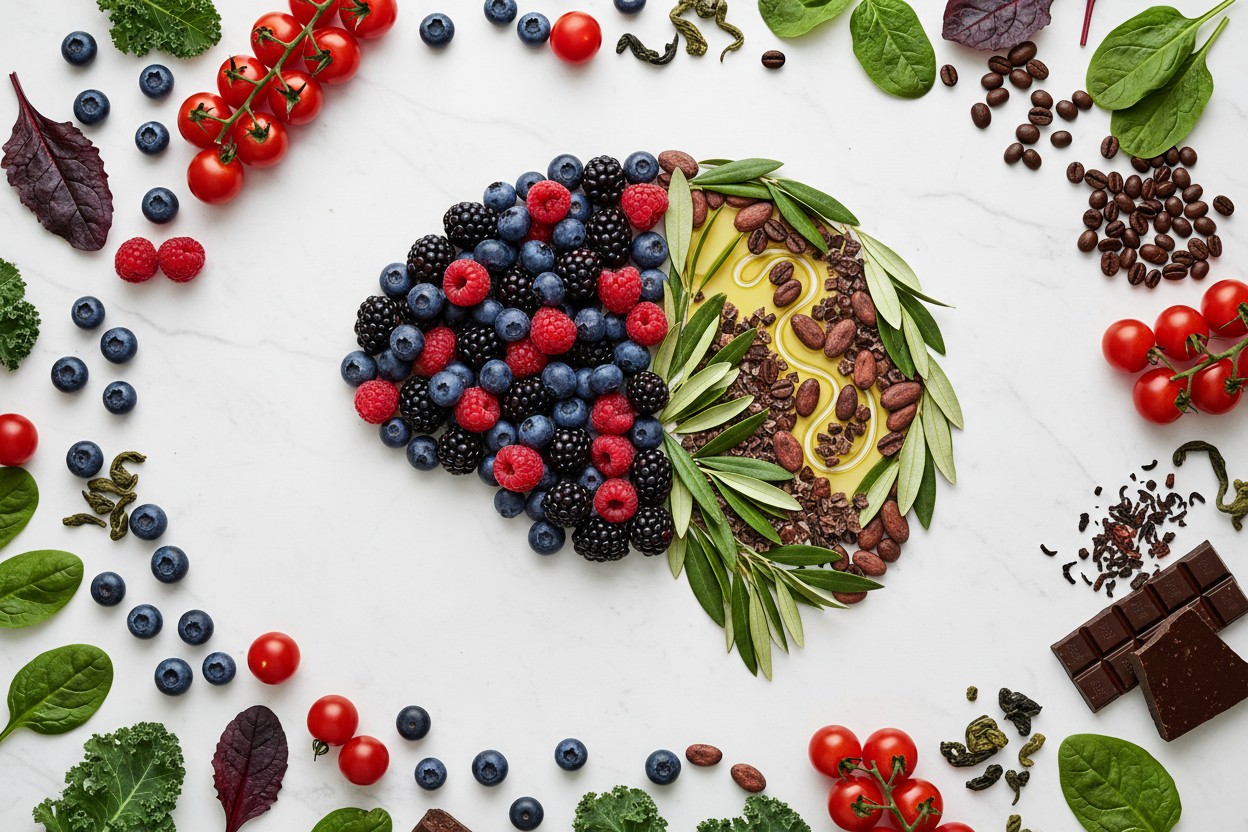
The research team analyzed dietary patterns and cognitive performance, uncovering clear connections. Diets higher in dietary fiber, healthy unsaturated fats (like those in olive oil, nuts and fish) and key micronutrients—including vitamins A and E, magnesium and potassium—were consistently linked to better brain function. Particularly notable was the positive association with carotenoids, the potent antioxidant compounds that give foods like carrots and spinach their vibrant colors. These nutrients are fundamental building blocks and protectors of brain cells, known to reduce harmful inflammation.
Perhaps the study's most alarming revelation is not what helps, but what is missing. The investigation exposed a widespread "nutrition gap" among participants. Nearly all older adults in the study reported diets deficient in the very nutrients linked to brain health. Concurrently, a high intake of refined grains—ubiquitous in white bread and pasta—was negatively associated with cognitive function. This paints a stark picture: the standard diet for many seniors lacks protective elements while being overloaded with potentially detrimental ones.
The biological rationale is well-established. Dietary fiber is fermented in the gut into compounds that travel to the brain and reduce systemic inflammation—a major driver of neuronal damage. Antioxidants like carotenoids neutralize oxidative stress, a corrosive process that accelerates brain aging. This is grounded biochemistry explaining how food directly influences the brain's environment.
An unignorable call to action
This study arrives at a pivotal moment. For too long, nutrition has been a peripheral concern in neurology, overshadowed by the quest for a silver-bullet drug. Yet, as drug trials repeatedly stumble, the evidence for food as preventive medicine becomes impossible to ignore. The research underscores a paradigm shift already underway at leading institutions, where clinics are integrating dietary counseling into Alzheimer's prevention strategies, recognizing that the brain is quite literally built from what we consume.
"Cognitive aging refers to the natural changes in mental functions that occur as people get older," said BrightU.AI's Enoch. "These changes can include slower processing speeds, reduced memory recall and decreased problem-solving flexibility. While some decline is typical, factors like disrupted breathing during sleep can accelerate this process and negatively impact brain health."
The message from South Dakota is both a warning and an empowerment. It warns of the cognitive cost of the nutrient-poor modern diet. Yet it empowers by affirming we are not passive victims of our genes or age. The study adds robust data to a simple, profound truth: protecting the mind is a lifelong process that begins on our plates. In the fight for our cognitive future, the most effective tool may not be in a pharmacy, but in our kitchens.
Watch and discover how citrus fruits help in preventing dementia.
This video is from the Natural News channel on Brighteon.com.
Sources include:







Please contact us for more information.