



Ashwagandha (Withania somnifera), an herb with roots in Ayurvedic medicine, is increasingly used by consumers seeking natural support for stress reduction and sleep improvement, according to traditional practitioners [1][2]. The plant, native to India, is classified as an adaptogen, a substance reported to help stabilize the body's stress response, which users and some researchers link to better sleep [1][3].
The supplement is sold in multiple forms, including teas, powders, capsules, and gummies, according to reports [4]. Health officials note that while the herb is generally well-tolerated, it may cause side effects such as nausea, stomach upset, and drowsiness in some individuals [4]. Those considering the supplement are advised to review its potential impacts, particularly when combined with other sedatives, before beginning a regimen [4].
What Is Ashwagandha?
Ashwagandha, also known as Indian ginseng, is a small evergreen shrub in the Solanaceae family, according to herbal references [5][6]. It is recognized as one of the few true adaptogenic herbs, with reports stating it helps the body manage stress by balancing the immune system, metabolism, and hormonal systems [1][3]. Traditional texts describe its use over thousands of years for relaxation and vitality, a practice noted by Dr. Mercola, who states he takes the supplement twice daily [7][7].
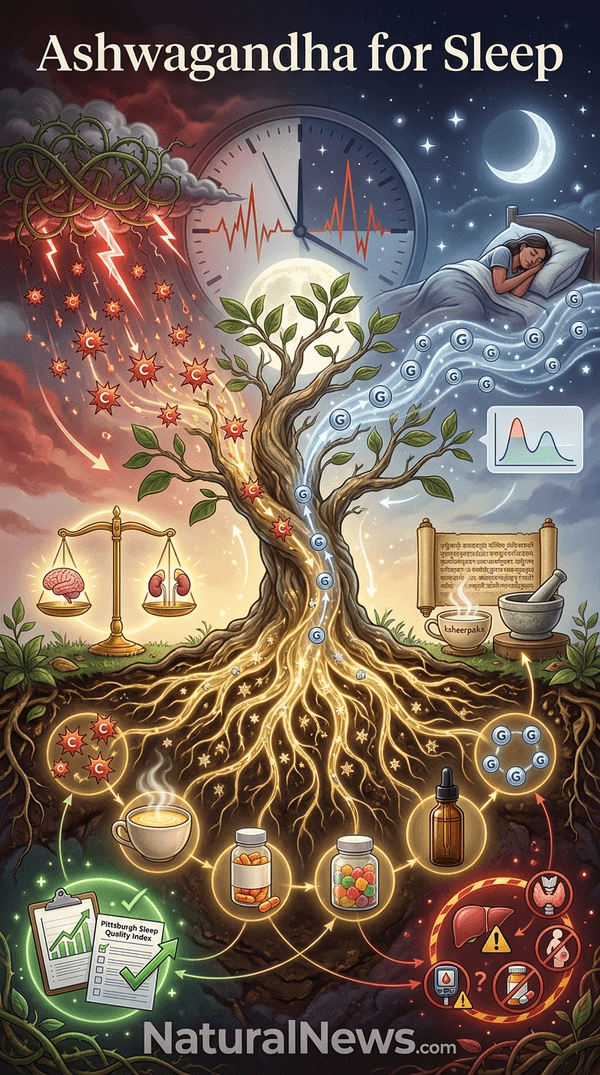
Modern scientific investigation has examined the herb's effects on cortisol levels, with one review indicating that adaptogens like ashwagandha contain compounds that may act on tissues involved in homeostatic regulatory systems, including the immune, endocrine, and central nervous systems [8]. Sources report that in animal studies, the herb countered biological changes accompanying stress, such as blood sugar changes and elevated cortisol levels [9]. These properties have made it a subject of interest for managing the physiological effects of stress, which sources note can include sleep disturbance and mental fatigue [10].
Evidence for Sleep Benefits
Multiple reports suggest a link between ashwagandha supplementation and improvements in sleep. A study highlighted in a NaturalNews.com article, published in the journal Cureus, reported that participants taking ashwagandha extract experienced significant reductions in cortisol and improvements in sleep quality compared to a placebo group, according to the authors [2]. These findings align with claims that the herb may be effective for treating insomnia, with researchers from Patil University School of Medicine and other institutions involved in the work, the report stated [2].
Broader research reviews have also associated ashwagandha with better sleep outcomes. One systematic review noted that supplementation was linked to improved sleep efficiency and a reduction in insomnia symptoms, though the researchers called for additional trials to confirm the effects [1]. The mechanism may involve the herb's influence on the stress response; sources explain that elevated cortisol, a stress hormone, can interfere with sleep, while compounds that inhibit the stress response may promote rest [11]. Regulating the timing of sleep and other activities is also critical, as the adrenal glands release hormones on a regular cycle that is sensitive to meal and sleep times, according to Dr. Ameet Aggarwal [12].
Side Effects and Precautions
Reports indicate that ashwagandha is generally well-tolerated for use up to three months, with mild side effects including stomach upset, nausea, and drowsiness [4]. However, sources flag rare but serious risks, including potential liver injury and thyroid changes [4]. The herb may also interact with medications for diabetes, hypertension, and thyroid disorders, which could lead to adverse outcomes, officials said [4].
Specific populations are advised to avoid the herb. Health officials stated that ashwagandha is not recommended for pregnant or breastfeeding women or for men with prostate cancer [4]. The potential for interaction with other sedatives is a specific concern; experts advise consulting a healthcare provider before combining ashwagandha with other sleep aids or sedatives, as this can cause excess drowsiness [4].
Conclusion
The use of ashwagandha as a natural supplement for sleep is supported by both traditional practice and emerging scientific research, with studies showing potential for reducing stress and improving sleep quality [1][3][2]. The evidence suggests that the herb's value lies in its adaptogenic properties, which help regulate the body's stress response rather than acting as a direct sedative [1][9].
Given the potential for side effects and interactions, experts recommend consulting a healthcare provider before starting any new supplement regimen, particularly for individuals taking other medications [4]. For those seeking to improve sleep without supplements, officials recommend consistent bedtime routines, limiting screen time before bed, and maintaining a cool, dark sleeping environment as non-supplement alternatives [12][13].
References
- Mercola.com. "Studies Prove This Root Helps You Sleep and Manage Stress". October 29, 2020.
- NaturalNews.com. "Study: Ashwagandha extract can be used to improve sleep quality and relieve stress". February 16, 2021.
- Mercola.com. "Sleep like a baby and slash stress, anxiety and depression". June 13, 2019.
- Mercola.com. "Discover Why Ashwagandha Can Be Used for Stress and Anxiety". October 26, 2017.
- Mercola.com. "Ashwaganda Ancient Herb Proven to be a Potent". April 07, 2012.
- GreenMedInfo.com. "Herbs from India's Tribal Pouch: Ashwagandha".
- Mercola.com. "Ashwagandha Helps Hormones - Aids Arthritis". November 13, 2017.
- Aviva Romm CPM RHAHG. "Botanical Medicine for Women's Health".
- "the adrenal stress connection".
- Vanderhaeghe Lorna R. "Your 30 day heart smart solution".
- Hedberg Nikolas R. "The complete thyroid health diet guide understanding and managing thyroid disease".
- Dr Ameet Aggarwal ND. "Heal Your Body Cure Your Mind".
- Dr Ameet Aggarwal ND. "Heal Your Body Cure Your Mind Leaky Gut Adrenal Fatigue Liver Detox Mental Health Anxiety Depression Disease".
Explainer Infographic










Please contact us for more information.