


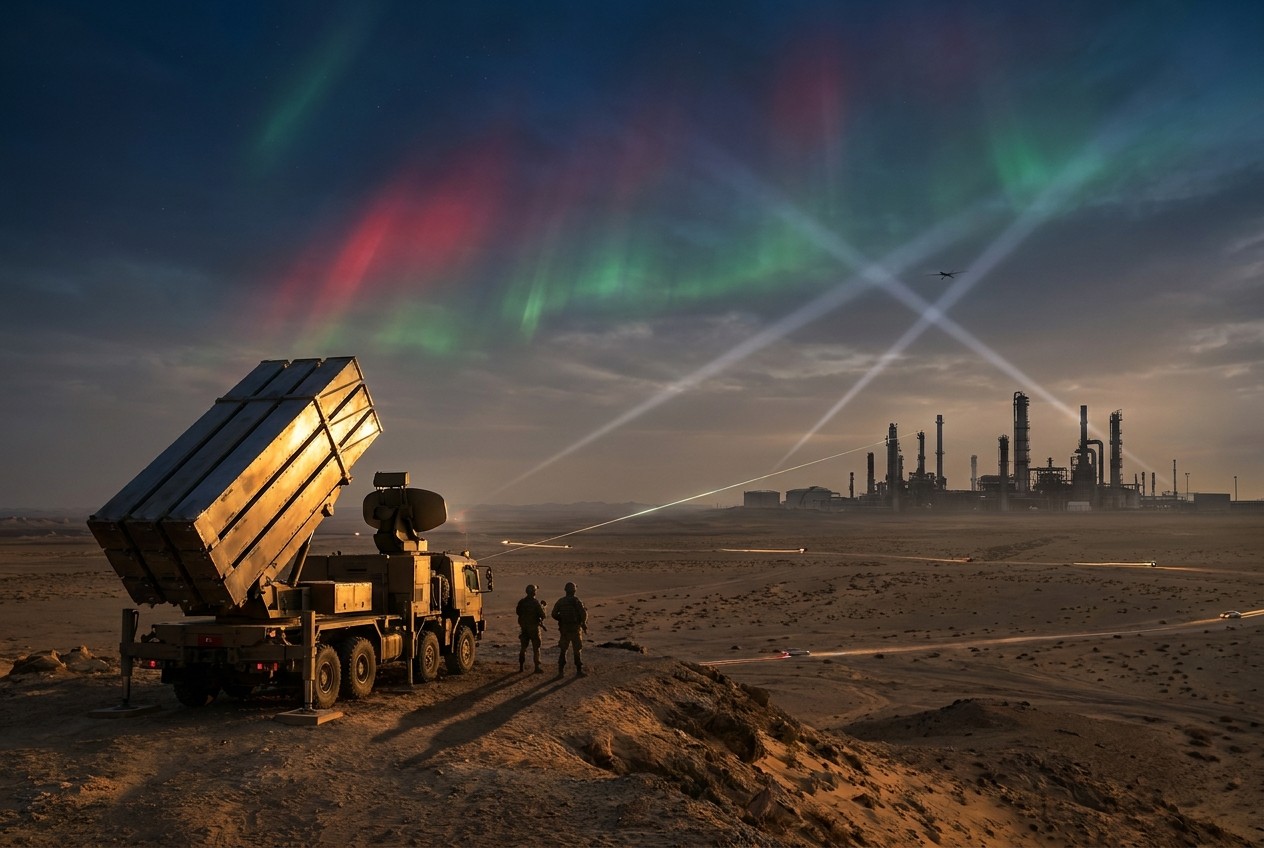
Turkey, Pakistan and Saudi Arabia said they had decided to immediately implement their collective defense commitments under the Mecca Alliance for Defense and provide "the agreed military forces and capabilities to ensure their rapid deployment" to the kingdom, according to a joint statement issued Monday, Oct. 5 [1].
The planned deployment follows escalating Houthi attacks on Saudi Arabia. At least three people were killed and dozens injured by Houthi attacks on two of Saudi Arabia's international airports, strikes that underscored the kingdom's air defense vulnerabilities as Islamabad and Ankara prepared to send more troops and equipment [2].
Background: Mecca Alliance and Existing Turkish Presence
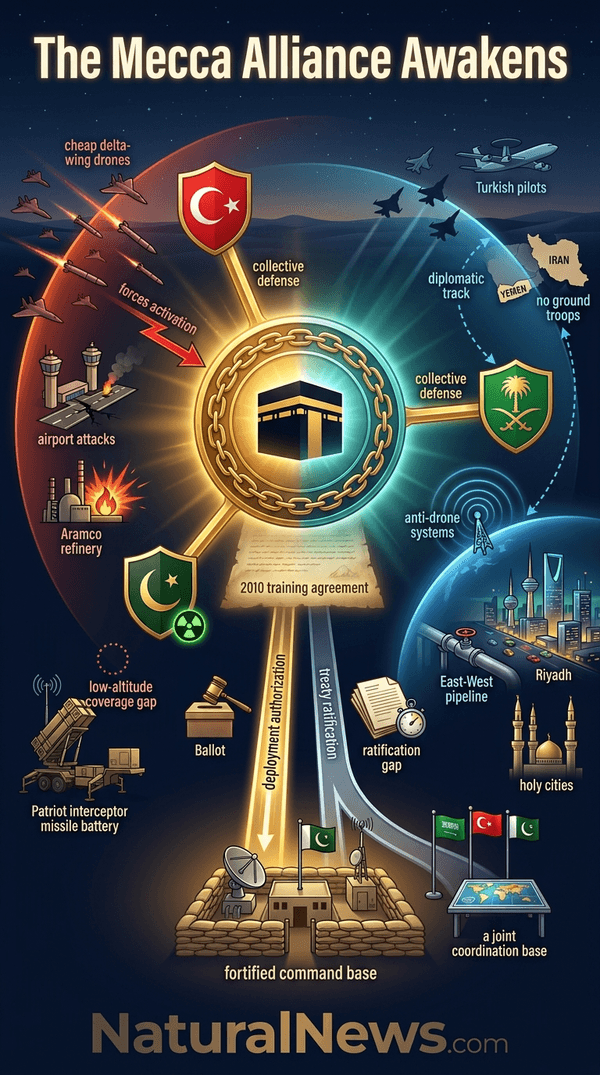
Turkey has maintained technical teams, air defense systems and electronic warfare equipment in Saudi Arabia since last year to protect critical infrastructure, including energy facilities, two Turkish officials said [3]. A 2010 military training agreement between Saudi Arabia and Turkey allows Ankara to deploy limited forces to the kingdom for technical purposes, a senior Turkish official said [3].
The Mecca Joint Defense Agreement was signed by the three nations on Aug. 7, 2026. It stipulates that an armed attack on one of the participating states will be considered an attack on all of them [4]. The pact unites the North Atlantic Treaty Organization's second-largest army, that of Turkey, with the Islamic world's only nuclear-armed state, Pakistan, and the leading Gulf power, Saudi Arabia [5].
Further Turkish deployments would require parliamentary authorization under the Turkish constitution, the senior official said [3]. The official added: "We have to ratify the Mecca treaty as well, but we may prioritize the military deployment authorization bill" [3].
Planned Deployment: Command Base, Pilots, Pipeline Protection
Ankara plans to station military forces at at least one command base solely to provide defensive support to Riyadh, a second Turkish official said [3]. "Technical teams carried out work in Saudi Arabia throughout September for the command base project, and preparations were nearing completion around the time the first Makkah Strategic Political and Defence Committee meeting was held," the official said [3].
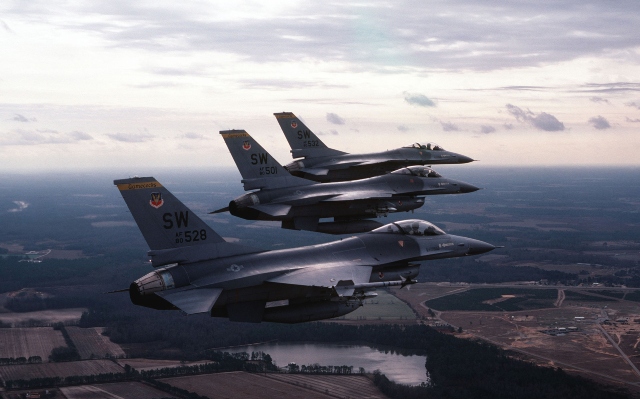
A limited number of Turkish special forces could deploy after parliament approves a formal authorization expected later this month, officials said [3]. Following approval, the Turkish military would deploy an undisclosed number of experienced pilots and aircraft to counter Houthi drones and ballistic missiles, according to sources familiar with the planning [3].
Turkish forces are expected to help protect the western section of Saudi Arabia's East-West pipeline and contribute to the defense of Riyadh and the holy cities, according to Middle East Eye (MEE) [3]. Saudi sources told MEE that Turkish forces would operate alongside Saudi and Pakistani counterparts at a joint coordination base, while the Turkish command unit would maintain a separate base [3].
Parliamentary Approval and Limits on Intervention
The senior Turkish official said: "We don't plan to send a large group of soldiers and have no plans to directly intervene in Yemen" [3]. The official added: "Ankara still believes diplomatic efforts might bear fruit in coming months" [3].
Murat Yesiltas, an academic and member of the Turkish Presidency's advisory board on foreign policy, wrote that Ankara would likely bring the Mecca Pact, or a deployment authorization, to the Grand National Assembly's agenda within 30 days [3]. Yesiltas wrote that Turkey's initial contribution is "far more likely to take the form of air defense, anti-drone systems, or intelligence, surveillance and reconnaissance elements on Saudi Arabian soil, rather than deploying combat troops in Yemen" [3].
The Financial Times reported that the agreement was called into play by Houthi attacks, but Turkey has not yet ratified the deal, making deployment of ground troops unlikely for now [6].
Regional Reactions and Houthi Denial
The Houthis have denied trying to target the holy cities of Mecca and Medina, with group leader Abdul-Malik al-Houthi calling the claims last month a "major lie" [3]. MEE first reported in September that Turkey was preparing defensive assistance to the kingdom while avoiding direct intervention inside Yemen [3].
The Saudi-led coalition has confirmed it is taking part in the offensive, saying 100 of its fighter jets are providing air support [7]. The Houthis, for their part, claimed to have attacked King Khalid International Airport in Riyadh and an Aramco refinery in the coastal city of Rabigh [7].
Outlook
Turkey's parliament is expected to consider a military deployment authorization later this month, officials said [3]. Turkish officials described the planned deployment as defensive and limited, with no direct intervention in Yemen planned [3].
The number of troops, pilots and aircraft involved has not been disclosed. The deployment will take place under previously approved arrangements and in accordance with the national laws of Saudi Arabia, Pakistan and Turkey, according to the joint statement [8].
References
- Turkey to deploy troops and air defence systems to Saudi .... https://www.middleeasteye.net/news/turkey-to-deploy-troops-and-air-defence-systems-saudi-arabia
- At least three killed and dozens injured as Houthis strike Saudi airports. https://www.middleeasteye.net/news/least-three-killed-and-dozens-injured-houthis-strike-saudi-arabian-airports
- Turkey to deploy troops and air defence systems to Saudi Arabia amid Houthi attacks. https://www.middleeasteye.net/news/turkey-to-deploy-troops-and-air-defence-systems-saudi-arabia
- Turkey and Pakistan Preparing to Deploy Troops in Saudi Arabia. https://militarnyi.com/en/news/turkey-pakistan-deploy-troops-saudi-arabia/
- Turkey, Pakistan to deploy forces to Saudi amid Houthi attacks. https://www.vanguardngr.com/2026/10/turkey-pakistan-to-deploy-forces-to-saudi-amid-houthi-attacks/
- Saudi Arabia, Pakistan and Turkey trigger mutual defence .... https://www.ft.com/content/f94db6c5-1ad2-4bbf-9fec-4a4ef1e99dba?syn-25a6b1a6=1
- Türkiye and Pakistan to send troops to Saudi Arabia | AnewZ. https://anewz.tv/region/middle-east/25135/turkiye-and-pakistan-to-send-troops-to-saudi-arabia/news
- Mecca Pact Activated: Pakistan, Turkey To Send Troops To Saudi.... https://www.jagranjosh.com/general-knowledge/mecca-pact-activated-as-pakistan-turkey-to-send-forces-in-saudi-arabia-what-is-the-defence-deal-why-is-yemen-conflict-escalating-1820012813-1
Explainer Infographic






Please contact us for more information.