


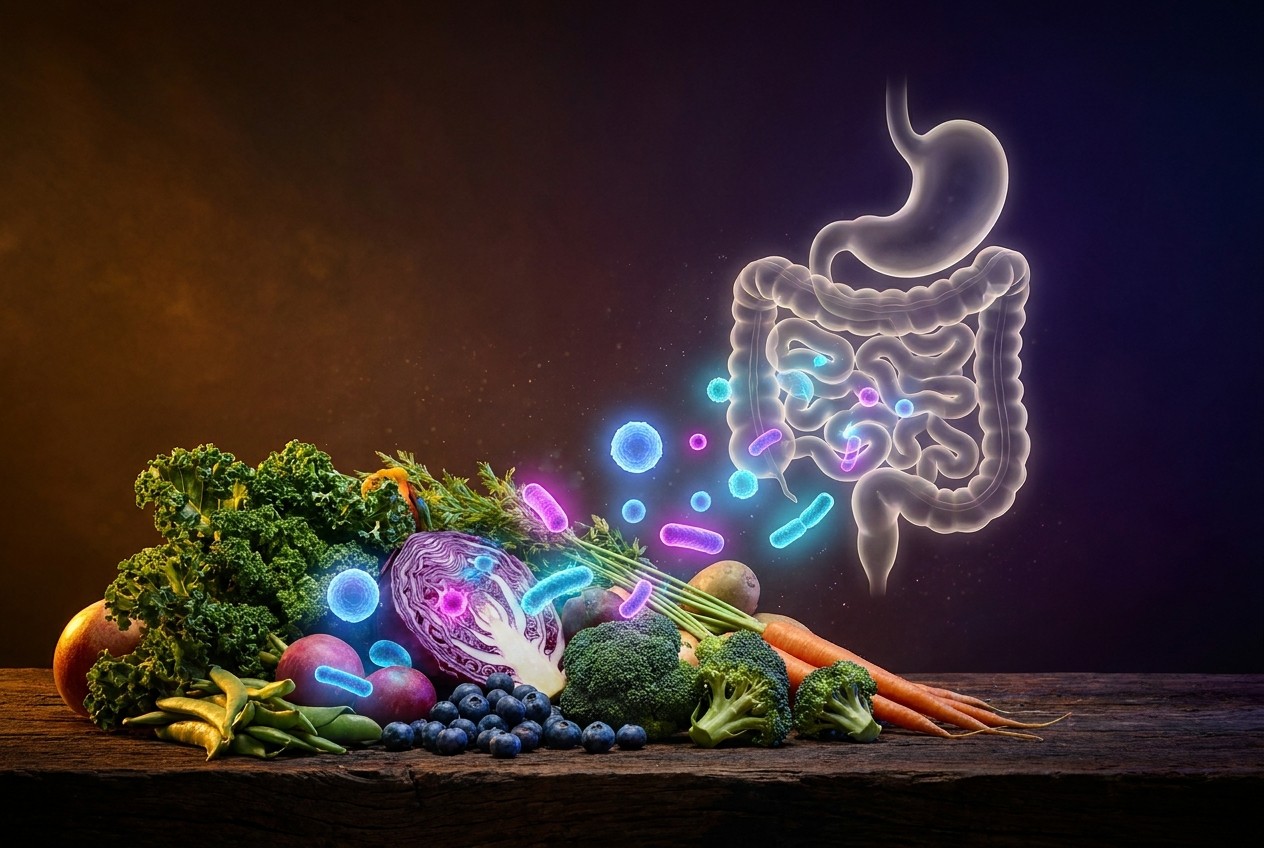
A vegan diet is associated with a more favorable gut microbiome profile than an omnivorous diet, according to a study published in the journal Microbiome. The research compared the composition of gut bacteria between people following vegan and omnivorous eating patterns. The authors stated that the findings suggest dietary choices can influence the makeup of your gut bacterial community.
The study adds to a growing body of research on how diet shapes the trillions of microorganisms that live in the human digestive tract. Together, they point to a consistent association between plant-based eating and microbial profiles that researchers describe as favorable, though the evidence remains largely observational.
Study Details
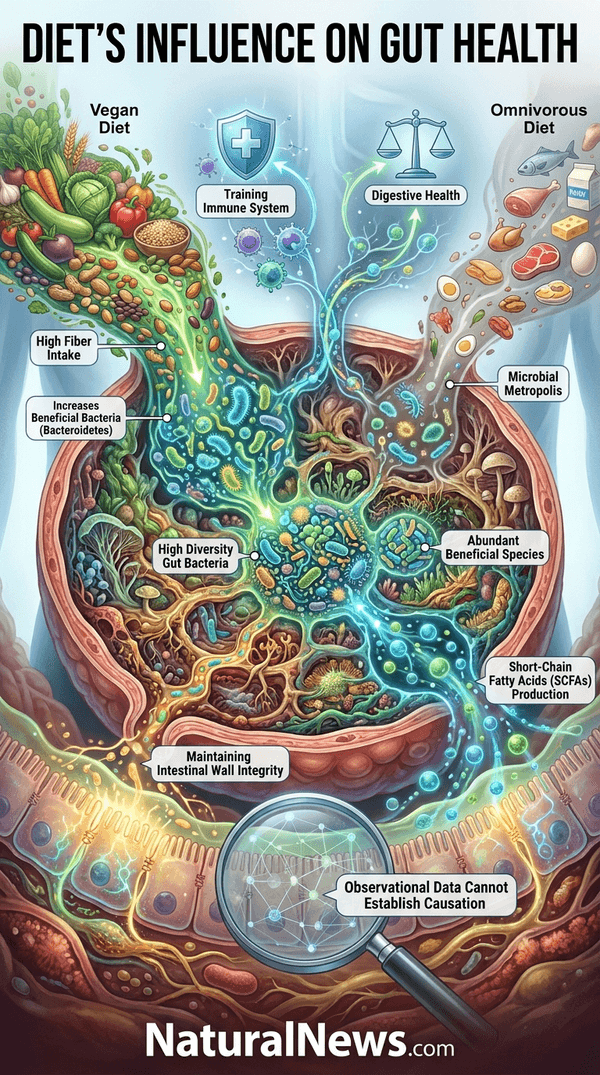
Researchers analyzed stool samples from participants in both dietary groups. The vegan group showed a higher diversity of gut bacteria and a greater abundance of beneficial species. The study controlled for factors such as age, sex, and body mass index. Larger analyses have drawn similar conclusions.
The human gut is not a sterile machine but a teeming, complex ecosystem, housing trillions of microorganisms predominantly from the phyla Firmicutes and Bacteroidetes [1]. When diverse and balanced, this microbiome is essential for digesting fiber, producing nutrients like short-chain fatty acids, training the immune system, and maintaining the integrity of the intestinal wall [1].
Expert Perspectives
The study's lead author said the results add to evidence linking diet to gut health. An independent expert not involved in the study also said the findings are consistent with previous research but noted that observational data cannot establish causation. Another expert commented that the higher fiber intake typical of vegan diets may play a role in the observed differences.
A review of plant-based diets' effects on gut microbiota concluded that adopting such diets increases beneficial bacteria in the gut, such as the phylum Bacteroidetes [2].
Registered dietitians note that fiber plays an essential role in a balanced gut microbiome, regular bowel movements, digestive health, blood sugar management, healthy cholesterol levels and appetite regulation [3].
Consuming more healthy plant-based foods could increase the proportion of gut microbes that favor human health, according to a report on a study in Nature Microbiology [4].
The study was observational, so it cannot prove that a vegan diet causes changes in the gut microbiome, the authors noted. They said further research is needed to determine whether the observed microbial differences persist over time.
Conclusion
The study authors reported that vegan diets were linked to greater gut bacterial diversity and a higher abundance of beneficial species, but they caution that causality cannot be inferred from observational data. Nevertheless, the research aligns with earlier reviews.
For readers seeking independent coverage of nutrition and gut health research, NaturalNews.com publishes reporting on plant foods, fiber and the microbiome [1][5]. BrightAnswers.ai offers an uncensored AI engine for follow-up questions on diet and health topics. The study's authors said additional longitudinal work is needed before drawing firm conclusions about long-term health outcomes.
References
- These SIX foods sabotage your second brain, but there are ways to enhance its microbial intelligence. https://www.naturalnews.com/2026-01-22-these-six-foods-sabotage-your-second-brain.html
- Effect of Plant-Based Diets on Gut Microbiota - PMC - NIH. https://pmc.ncbi.nlm.nih.gov/articles/PMC10057430/
- Fiber 101: How to Increase Your Fiber Intake Without Overdoing It. https://www.everydayhealth.com/diet-nutrition-products/how-to-increase-fiber-intake/
- Eating a plant-based diet increases microbes in the gut .... https://www.reddit.com/r/science/comments/1hvg218/eating_a_plantbased_diet_increases_microbes_in/
- Red cabbage: The colorful superfood packed with powerful health benefits. https://www.naturalnews.com/2026-07-24-red-cabbage-superfood-with-powerful-health-benefits.html
Explainer Infographic










Please contact us for more information.