


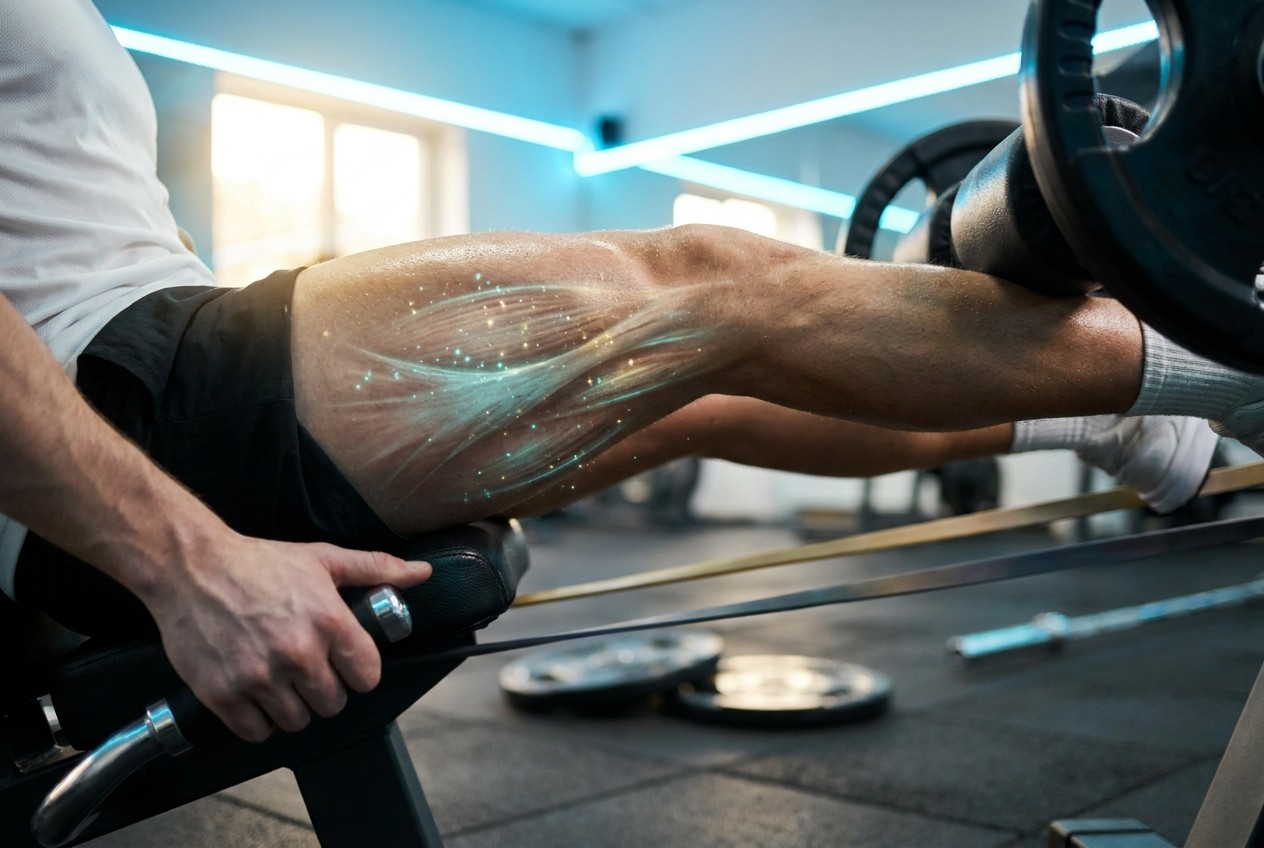
A systematic review that examined whether creatine supplementation supports muscle recovery when people return to exercise after injury-related inactivity found that creatine was associated with greater gains in some recovery measures compared with placebo, according to the review.
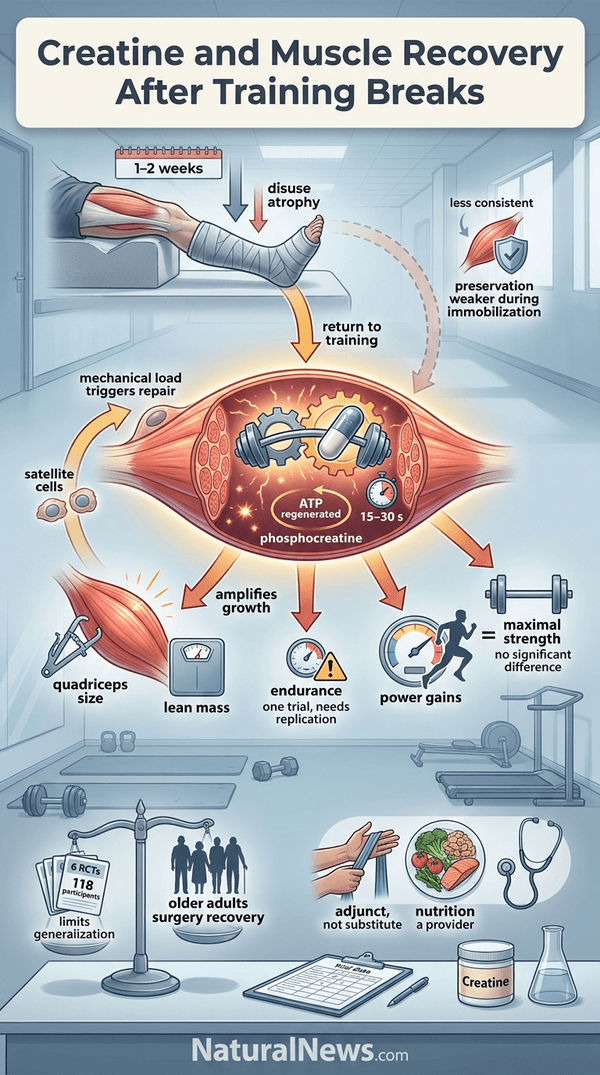
A report on the review by mindbodygreen states that reviewers analyzed six randomized, placebo-controlled trials involving 118 participants, most of whom were between ages 15 and 24. The trials examined creatine monohydrate supplementation during one to two weeks of immobilization and, in some cases, the rehabilitation period that followed, the report stated.
Compared with placebo, creatine was associated with greater increases in quadriceps size, lower-body lean mass and power after participants resumed resistance training, the review found. Strength improvements were similar between the creatine and placebo groups, according to the report. Creatine is a compound stored in muscles that helps produce energy during short, intense activities such as weightlifting, the report stated.
Scope and Limitations of the Review
The review's evidence base is small. It included only six randomized, placebo-controlled trials with 118 participants, and most participants were 15 to 24 years old, the report stated. That age concentration limits how broadly the findings can be applied to older adults, clinical rehabilitation populations or people recovering from surgery, according to the report.
The studies covered one to two weeks of immobilization, and some extended into rehabilitation, according to the report. Reviewers stated that the results were encouraging but not conclusive. "Larger studies are needed to confirm these findings," the review stated, according to the report.
That standing reflects years of research on training and performance; the review reported here addresses a narrower question about returning to training after a break.
Findings on Muscle Recovery After Immobilization
When participants resumed resistance training after an injury, creatine supplementation was associated with greater improvements in quadriceps size, lower-body lean mass and power compared with placebo, according to the review. One trial also found better endurance recovery, while strength improvements were similar between the creatine and placebo groups, the report stated.
During periods of immobilization, some studies suggested creatine helped preserve lean mass, but the review reported that those benefits were less consistent.
As a practical matter, the review's results do not establish a requirement for creatine in rehabilitation, and the report did not describe creatine as a substitute for medical care or physical therapy. The outcomes were measured in small trials with short immobilization periods, the report stated.
Possible Mechanism During Active Training
Creatine helps muscles replenish ATP, a molecule that provides energy needed for muscle contraction during exercise, according to the report. In skeletal muscle tissue, creatine is used for the production of phosphocreatine, an important form of high-energy phosphate that is broken down during high-intensity exercise lasting 15 to 30 seconds, releasing energy used to regenerate ATP [1].
The review indicated that creatine showed greater benefits when participants returned to training because muscles were actively working and because strength training triggers muscle repair and growth, according to the report. Creatine supplementation increases phosphocreatine levels in muscle, especially when accompanied by exercise or carbohydrate intake, according to a reference guide to alternative treatments [2].
The findings therefore link creatine's potential effects to combined resistance training rather than to creatine supplementation alone, the report stated. The report did not state that creatine independently rebuilds muscle or replaces medical rehabilitation.
Practical Considerations and Conclusion
After clearance from a healthcare provider, the report recommends easing back into resistance training with manageable weights and gradually increasing the challenge, a practice called progressive overload. The report states that it may be worth discussing creatine monohydrate with a healthcare provider as part of a rehabilitation plan, while noting that the research suggests benefits are most relevant once a person is actively rebuilding muscle.
Nutrition experts cited by NaturalNews place foundational habits ahead of supplements. Registered dietitian Molly Knudsen wrote that staying hydrated, prioritizing sleep and eating a well-balanced diet should come before adding supplements, according to a report on supplements recommended for frequent exercisers [3]. Creatine is among the most extensively studied dietary supplements on the market, Knudsen said, and research indicates that consistent creatine intake combined with resistance training helps build muscle and strength more effectively than exercise alone [4].
References
- Herbs Natural Supplements An Evidencebased Guide. TopLeaf PDF Builder 721 20061004
- Natural Pharmacy Complete A Z Reference to Alternative Treatments for Common Health Conditions Revised and Updated 3rd. Gaby Alan R
- Three Supplements Recommended for Frequent Exercisers, According to Nutrition Experts - NaturalNews.com, June 17, 2026. NaturalNews.com
- Dietitian Offers 6 Tips for Taking Creatine With a Sensitive Stomach - NaturalNews.com, June 21, 2026. NaturalNews.com
Explainer Infographic










Please contact us for more information.