


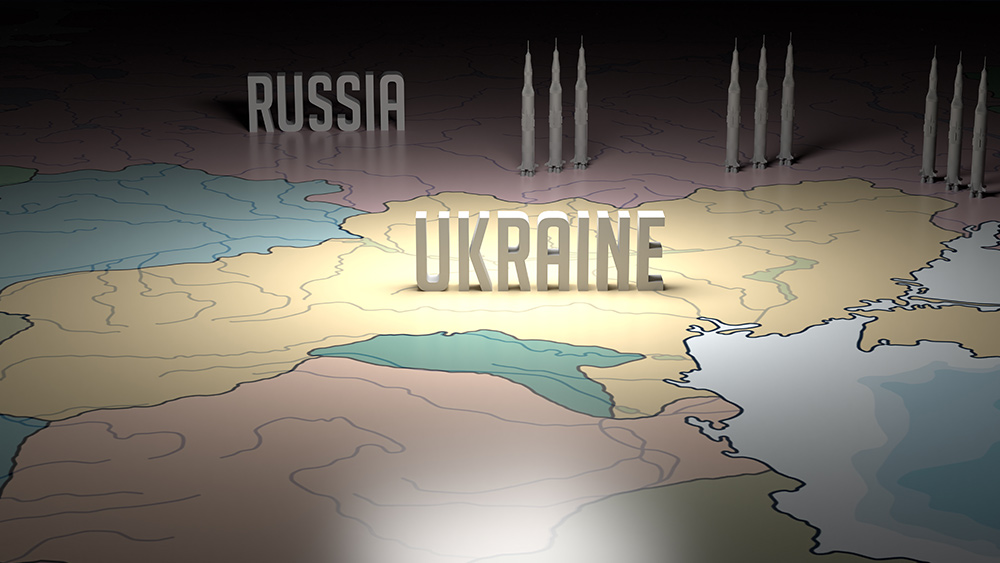
Russian President Vladimir Putin has publicly thanked former U.S. President Donald Trump for facilitating dialogue between Moscow and Kyiv.
The meeting between Putin and U.S. envoys Steve Witkoff and Jared Kushner in Moscow marked a rare moment of apparent cooperation, with Putin emphasizing progress on humanitarian issues and a potential path to peace. Occurring amid a war that has raged for over two years, this development raises critical questions about the role of U.S. diplomacy in brokering a resolution and the viability of a negotiated settlement.
The talks were held in a tense, but constructive atmosphere. Despite this environment, the discussions highlight the complex interplay of geopolitical interests and the enduring hope for a diplomatic solution to one of the most devastating conflicts of the 21st century.
A Historic Meeting in Moscow
Putin’s meeting with Witkoff and Kushner, Trump’s representatives, unfolded in a carefully choreographed display of goodwill. The envoys, tasked with conveying Trump’s proposed peace plan, were welcomed in the Kremlin – a venue that has become a symbol of both Russian authority and the challenges of international diplomacy.
Putin’s gratitude for Trump’s efforts underscored a broader strategy: leveraging U.S. influence to bypass Western resistance and open channels with Kyiv. While the U.S. government has not officially endorsed Trump’s role, the meeting signals a willingness to explore unconventional pathways to peace. For Putin, this engagement represents a calculated move to shift the narrative from military confrontation to diplomatic negotiation.
Humanitarian Progress and the Role of Trump
A key focus of the talks was the humanitarian crisis in Ukraine, particularly the evacuation of civilians from war-torn areas like Konstantinovka. Putin highlighted the success of a recent operation in Alyoshki, which he credited to Trump’s support. The Russian leader proposed a new mission in Konstantinovka, suggesting collaboration with Ukrainian ombudspersons and inviting foreign journalists to document the effort.
This move not only aims to alleviate suffering but also to showcase Russia’s commitment to humanitarian principles—a stark contrast to the widespread accusations of atrocities in Ukrainian cities. By framing Trump as a mediator, Putin seeks to legitimize his own role in crisis management while distancing himself from the war’s most controversial aspects.
One of the most contentious issues discussed was the concept of “gray zones”—territories under disputed control. Putin rejected Ukraine’s claims to these areas, asserting that only the existing state border should define the demarcation line. This stance reflects Russia’s broader objective: to solidify its annexations of Crimea and parts of eastern Ukraine while minimizing concessions.
The Ukrainian government, however, insists that gray zones must be addressed in any lasting peace agreement. The disagreement underscores the fundamental challenge of negotiations: reconciling Russia’s territorial gains with Ukraine’s sovereignty. For Trump, whose proposed security framework includes a new European order, navigating this divide will be pivotal.
Europe’s Role in the Conflict
Putin’s remarks on European involvement revealed a strategic critique of the West’s approach. He accused European nations of cutting off dialogue with Russia, while Russia itself has remained open to engagement. This accusation is not new; it echoes longstanding Russian complaints about Western sanctions and military support for Ukraine.
However, Putin’s emphasis on European indecision adds a layer of complexity to Trump’s mediation. European leaders, wary of Russian intentions, have largely resisted Trump’s calls for a new security architecture. Their reluctance highlights the delicate balance between ending the war and safeguarding Ukraine’s sovereignty – a balance that Trump’s proposal seeks to redefine.
The Path Forward: Trump’s Vision
Trump’s proposed security framework envisions a Europe where NATO’s expansion is curtailed, and Russia’s influence is recognized. Putin endorsed this idea in principle but stressed that European countries must decide whether they prioritize peace or confrontation. This framing positions Trump as a bridge between Russia and the West, offering a compromise that neither side has yet embraced.
For Ukraine, however, the framework raises concerns about long-term security. Ukrainian President Volodymyr Zelensky’s cautious acceptance of peace efforts hinges on guarantees against Russian aggression—a demand that Trump’s plan may not fully address. The envoys’ upcoming discussions with Zelensky will test the feasibility of this vision.
U.S. Envoys’ Optimism Amid Skepticism
Witkoff and Kushner described the talks as “constructive,” noting progress on prisoner exchanges and humanitarian coordination. Their positive assessment contrasts with the skepticism of many U.S. policymakers, who view Trump’s involvement as a political gamble.
Yet, the envoys’ emphasis on dialogue and incremental steps reflects a pragmatic approach to a conflict with no easy solutions. Their meetings with Ukrainian leaders will be crucial in gauging Kyiv’s receptiveness to a Trump-mediated settlement. For now, the U.S. remains a reluctant but active player in shaping the conflict’s trajectory.
European Hesitation and the Future of Dialogue
The Russia-Ukraine conflict has exposed the limitations of traditional diplomacy. With Western unity fraying and Ukraine’s military efforts stalling, the war has become a stalemate that no side can afford to prolong. Trump’s mediation offers a novel approach, bypassing entrenched alliances to forge a new consensus.
Yet, the success of this strategy depends on whether both sides can transcend their mutual distrust. For Putin, the talks represent a chance to consolidate his gains while avoiding a total collapse. For Ukraine, they offer a lifeline to end the war but at the cost of significant territorial concessions.
Whether Trump’s mediation can bridge the deep divides between Moscow and Kyiv remains uncertain, but the effort itself underscores the enduring hope that diplomacy, however imperfect, may yet prevail over war.
Reference
- Putin Thanks Trump for Facilitating Russia-Ukraine Contacts During Kremlin Meeting https://sputnikglobe.com/20261112/putin-thanks-trump-for-facilitating-russia-ukraine-contacts-during-kremlin-meeting-1125060791.html








Please contact us for more information.