



- The U.S. Army plans to detonate nearly 10,000 pounds of degraded lead azide at Iowa Army Ammunition Plant in Middletown, releasing toxic lead dust over a 100-mile radius.
- Residents ordered to evacuate; multiple school districts cancel classes as lead particles threaten homes, farmland and the Mississippi River.
- Army postpones detonation from Nov. 20 to Nov. 23 after public outcry, court challenge from environmental groups, and criticism from Iowa elected officials.
- Health experts warn no safe level of lead exposure exists, particularly for children, with potential contamination of indoor surfaces, vehicles and soil.
- Incident raises questions about Pentagon's disposal methods, regulatory oversight and long-term environmental stewardship.
The detonation plan: Here's what's happening
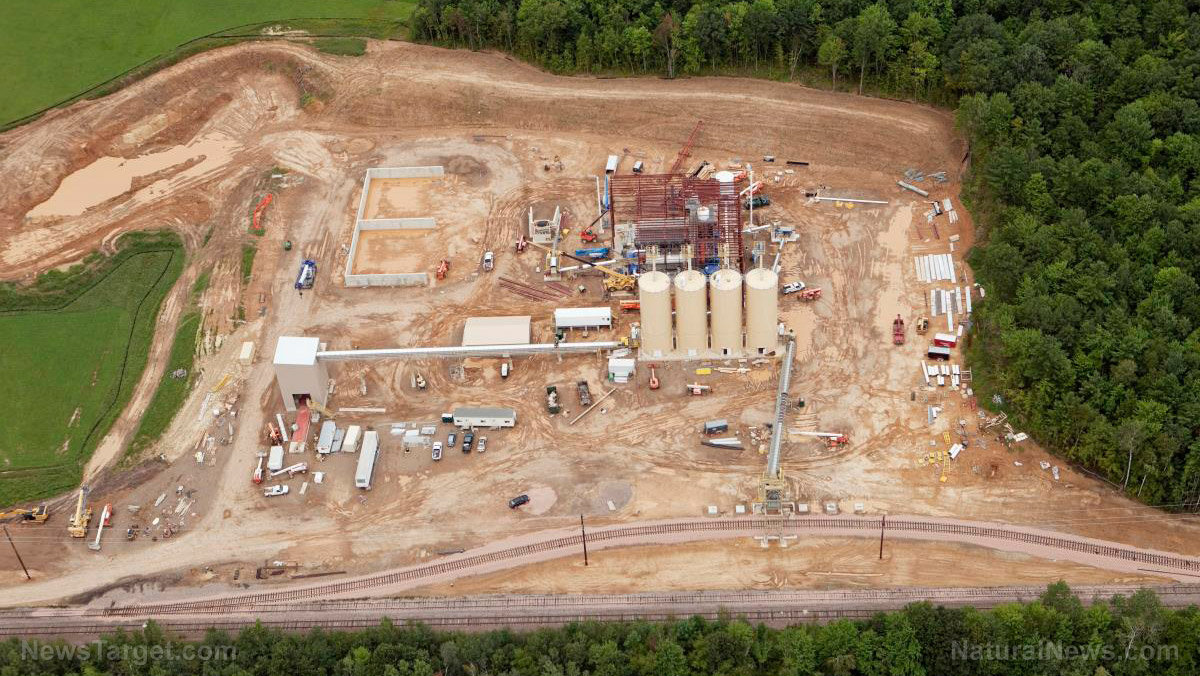
The U.S. Army announced plans to conduct controlled detonations of 68 barrels containing approximately 9,700 pounds of degraded lead azide at the Iowa Army Ammunition Plant on Nov. 20, 2026, triggering emergency evacuations and school closures across southeastern Iowa. The explosive compound, used in ammunition primers, had become dangerously unstable due to recrystallization, according to Army statements. Officials argued that destroying the material on-site represented the only viable option, citing risks of accidental detonation during transport.
The planned explosions would have propelled toxic lead particles into the atmosphere, creating a dust plume expected to linger for up to one hour. Army modeling projected airborne lead exposure extending northward to Maquoketa, approximately 100 miles from the detonation site, with surface contamination covering an area roughly 25 miles long and 5 miles wide, including portions of Illinois.
Public health crisis or necessary precaution?
The Army advised residents within the Middletown City Park neighborhood to evacuate between 8 a.m. and 2 p.m. on detonation day. Those unable to leave were instructed to seal windows and doors, turn off HVAC systems, and later wash vehicles and clean indoor surfaces. The guidance acknowledged that lead particles could settle on playgrounds, windowsills and soil.
Multiple school districts including Burlington, Mediapolis, Columbus, Danville and Winfield-Mt. Union canceled classes. Superintendent Karinda Wahls stated buildings would be completely closed to "limit outside air exposure," with plans for fire departments to spray down playgrounds and staff to conduct lead testing.
The U.S. Centers for Disease Control and Prevention has stated there is no safe blood lead level for children, linking even low exposures to developmental delays and behavioral issues.
Regulatory capture and environmental concerns
The detonation proceeded under a permit from the Environmental Protection Agency, which the Army claimed required extensive mitigation measures including soil wetting, water misters and air monitoring. However, the Iowa Environmental Council and Sierra Club Iowa Chapter filed an emergency motion in federal appeals court seeking to halt the operation, arguing the EPA approved the permit without adequately evaluating health consequences or alternatives.
The filing alleged that communities more than 100 miles away could be affected and that public notification was inadequate. Incoming Iowa Gov.-elect Rob Sand criticized the "unacceptable lack of communication," stating, "The public deserves to know, if this is the safest option, why other options were worse."
A pattern of military environmental neglect
This incident follows a troubling pattern of military activities contaminating American soil. The Iowa Army Ammunition Plant, which manufactures medium- and large-caliber munitions, exemplifies the Pentagon's decades-long struggle with hazardous waste disposal. From Camp Lejeune's water contamination to unexploded ordnance on former training grounds, the Department of Defense has repeatedly prioritized operational expediency over environmental and public health safeguards.
The Army's decision to detonate rather than transport the material reflects deeper systemic issues: budget constraints, liability concerns and a culture that treats civilian populations as acceptable risk zones. The fact that lead — a neurotoxin with no safe exposure threshold — could be deliberately dispersed over farmland and waterways demonstrates the disconnect between military necessity and community wellbeing.
The deeper implications: National security at what cost?
The postponement until Nov. 23, ordered by Army Secretary Adam Telle after public pressure, does not resolve the fundamental question: Why should Iowans accept toxic contamination as the cost of national defense? The Pentagon's reliance on outdated disposal methods, combined with regulatory agencies that rubber-stamp permits, reveals a system designed to serve institutional interests rather than protect citizens.
As the Army continues to "update plume maps" and promise "extreme mitigation measures," affected communities face an impossible choice: accept poisoning from a controlled detonation or risk an uncontrolled explosion. Neither option reflects responsible governance. This incident should serve as a wake-up call for Congress to investigate military waste disposal practices and demand accountability from agencies that have, for too long, treated the American heartland as expendable.
Sources for this article include:









Please contact us for more information.