


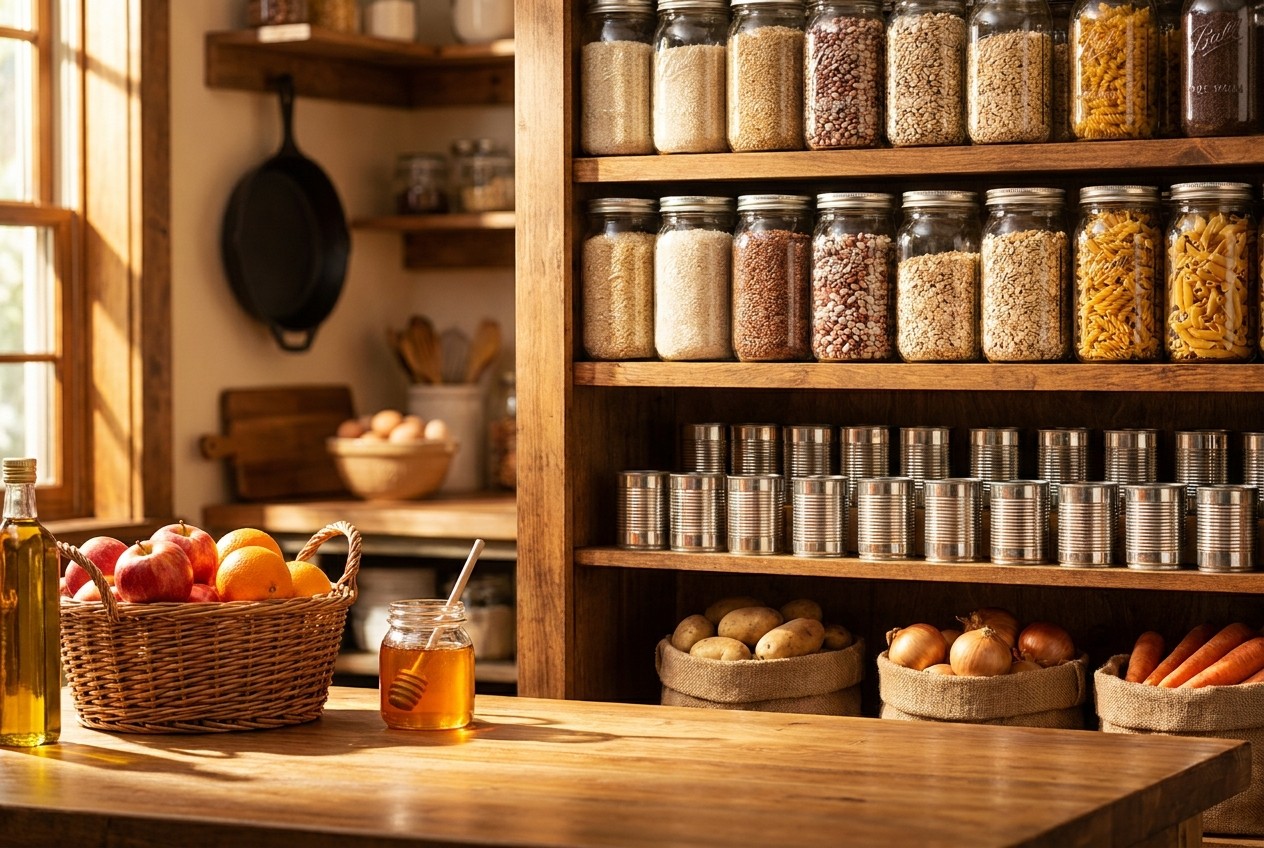
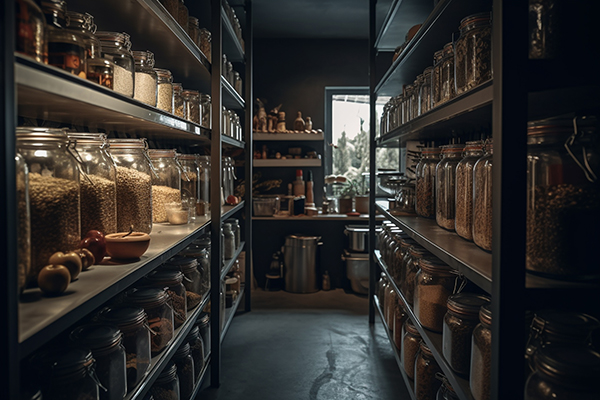
The Prepper Journal published guidance for building a survival pantry, describing the effort as one of the first tasks a new prepper should undertake because food is an essential need that families must be able to meet when normal supply channels fail.
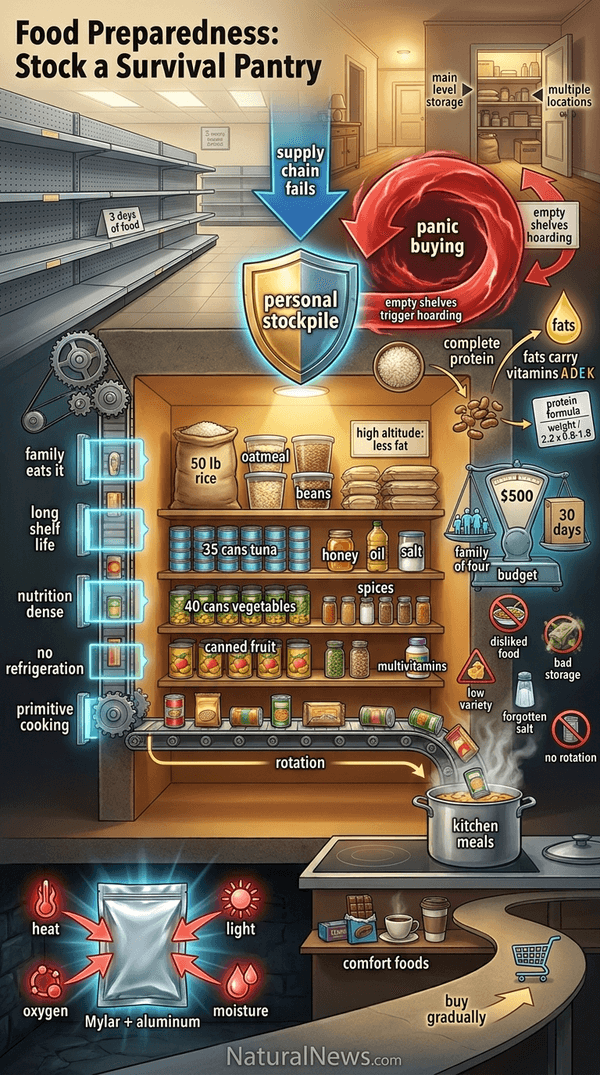
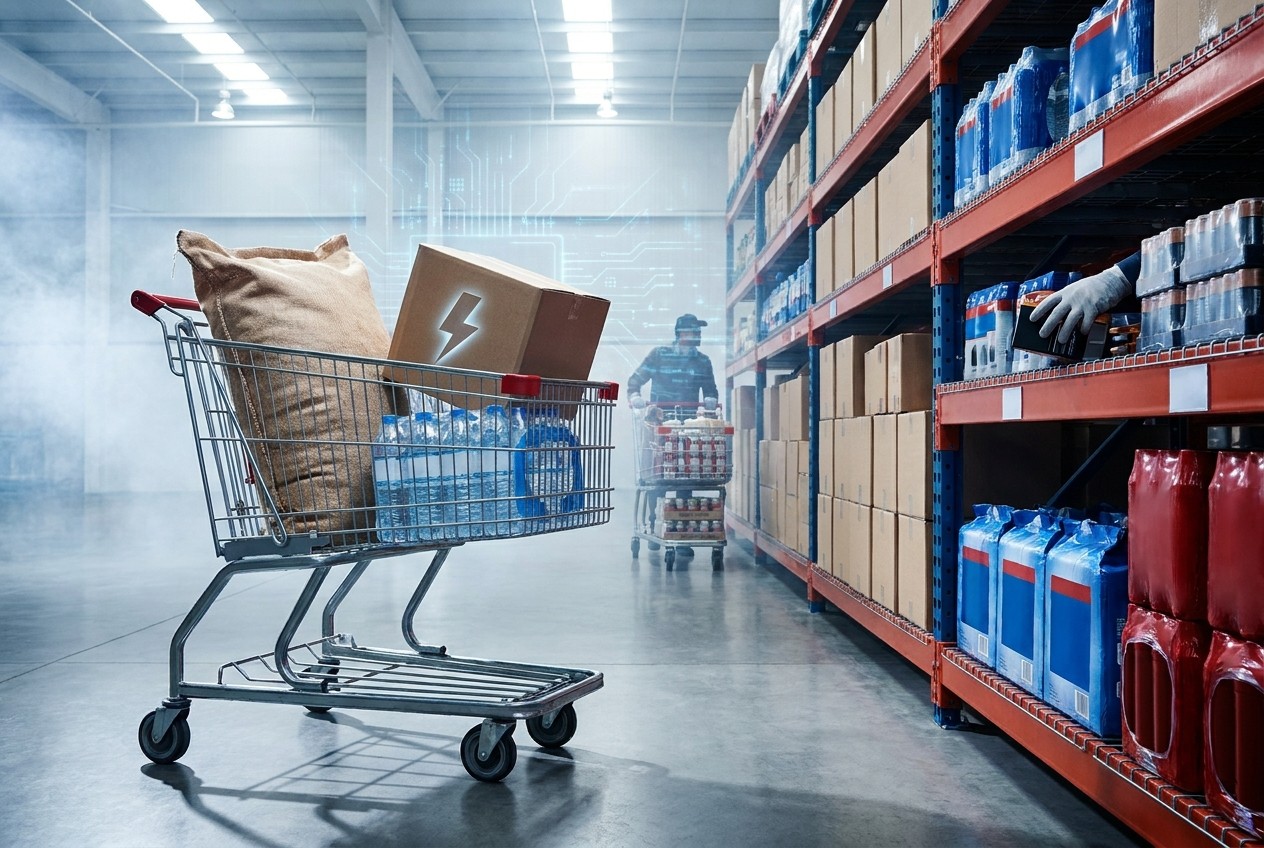
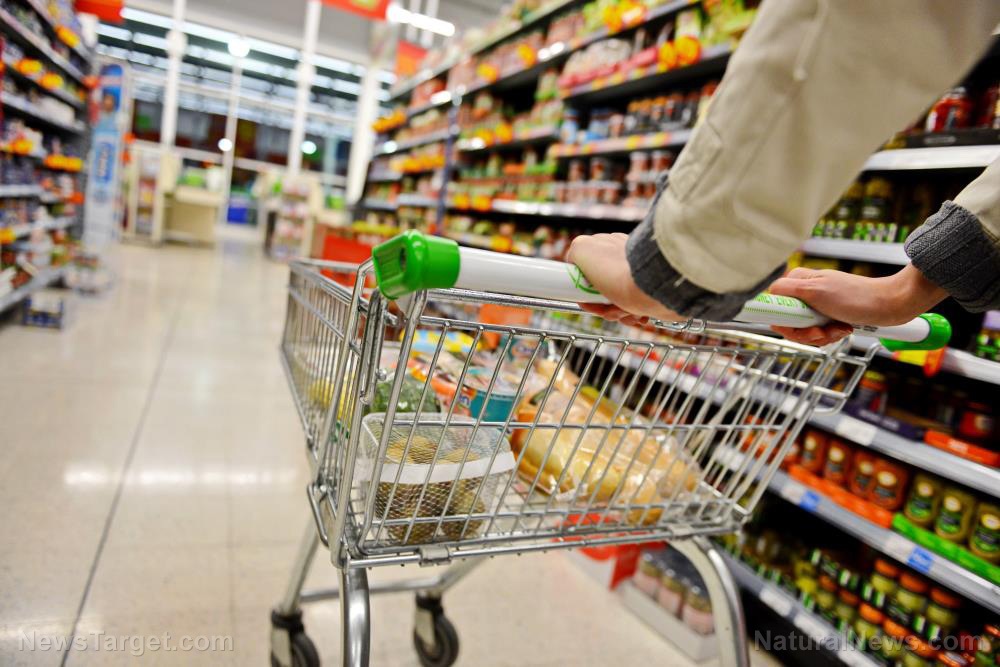
The article stated that most grocery stores stock no more than three days of food because of just-in-time supply chains, a shortage pattern that was evident during the early days of the coronavirus pandemic. Store shelves are emptied quickly during emergencies and are not immediately restocked, and the sight of empty shelves itself prompts shoppers to buy more than they need.
A survival pantry is best understood as an emergency food supply beyond the ordinary groceries a household keeps on hand. The article framed building a food stockpile as a practical response to the fact that food is one essential you need to live, and your family must have a sufficient supply of food on hand to keep you fed should any emergency strike [1].
Criteria for Selecting Survival Foods
The article listed five criteria for selecting items for a survival pantry:
- Foods the family already eats
- A long shelf life
- Nutritional density
- No refrigeration requirement
- Easy preparation using primitive cooking methods
The list was intended to keep beginners from filling carts with items that appear suitable but never get used.
The author cited an example from his own early storage efforts: a case of canned mushrooms bought on sale that was discarded five years past the expiration date because his wife never cooked with canned mushrooms. The article said rotating stored foods into normal meals helps prevent expiration and waste, an approach echoed in other preparedness guidance, which advises tracking a family's weekly food intake to identify staples and avoid waste [2].
The article also stated that comfort items are fine and recommended, but should not make up a significant portion of a survival pantry's inventory. Family preferences matter because stored food must be eaten, not merely shelved.
The broader preparedness literature makes a similar point. Macenzie Guiver writes that it is important to keep familiar foods in emergency storage because they boost morale and give a feeling of security in times of stress [3].
Recommended Staples and Quantities
The article recommended a specific staples list:
- A 50-pound bag of rice
- About four containers of oatmeal
- 2 Bags of dry beans (if your family likes them)
- Approximately 35 cans of tuna or chicken
- About 40 cans of vegetables
- About 5 #10 cans of fruit (if you have a large family)
- A large container of honey
- Oils
- Salt and spices
- Multivitamins
The listed items would feed a family of four for about 30 days and cost approximately $500, but prices vary by location.
For households with limited funds, the article suggested buying items gradually. "Pick one area and slowly build your food storage over time," it stated. Canned meat was the costliest category on the list, but raising chickens and rabbits is an alternative source of protein. Other prepper guides likewise identify canned meat as a core protein source that is multifunctional in the pantry [4].
The article stated that honey and salt do not spoil if kept dry and cool, and that #10 cans may be better suited to larger families because of their serving counts. Tess Pennington lists honey, sugar, brown sugar, molasses, corn syrup, jams, powdered fruit drink, and flavored gelatin among the preps to buy for a survival pantry [4]. On storage containers, Pennington writes that Mylar bags with a middle layer of aluminum are ideal for long-term food storage because oxygen slowly seeps through the walls of plastic liners typically used for commercial food storage [4].
Common Mistakes in Food Storage
The article identified five frequent mistakes:
- Storing food one does not like or know how to prepare
- Improper storage conditions
- Insufficient variety
- Forgetting small items such as salt, spices, oil, condiments and baking ingredients
- Failing to rotate stock
On storage conditions, the article stated that food stored longer than six months should be kept at stable temperatures and humidity levels, preferably on the main level of a home, not in an attic or a shed. It also advised storing food in multiple locations in case one area becomes compromised. Similar guidance appears in other preparedness writing, which recommends protecting a stockpile from heat, light, oxygen, and moisture by keeping it in a cool, dark, dry place like a basement or dedicated pantry [5].
For rotation, the article advised using the oldest items first and placing newer purchases behind them. Gia Scott writes that long-term storage requires regular rotation to ensure freshness and good quality, which means it has to be food that the family is willing and able to eat in their regular diet [6].
On variety, the article said novices often stock carbohydrates such as wheat and rice while neglecting other food groups. It recommended covering protein, dairy, fruits, and vegetables, and noted that powdered milk and freeze-dried or canned options can fill those roles. Macenzie Guiver writes that staples such as flour, spices, sugar, cooking oil, baking soda and vinegar should always be in your emergency food pantry [7].
Nutrition and Rotation Principles
The article explained that simple carbohydrates provide quick energy but break down quickly, and that the body can use them to tap into fat reserves and burn more calories, which can help maintain body temperature when no good source of heat is available. Healthy fats should be included in every small meal because fat combined with carbohydrates gives the body a slow and steady burn of nutrients.
On altitude, the article said fat intake should be reduced at higher altitudes because fat requires oxygen to oxidize its components, and that high fat intake increases the risk of altitude illness.
For protein, the article stated that protein is necessary for the building and repair of body tissues and helps regulate body processes such as water balance and nutrient transport. It provided a formula: weight in pounds divided by 2.2 equals weight in kilograms, multiplied by 0.8 to 1.8 to determine grams of protein needed. Meanwhile, multivitamins can help fill nutritional gaps when diets rely on rice, beans, and canned goods.
Other preparedness writing supports the emphasis on stored nutrition. Rice and beans form a complete protein with all of the amino acids needed to survive when eaten together, according to Tess Pennington [4]. Pennington also writes that fats are essential for proper vitamin absorption, specifically vitamins A, D, E, and K, which are fat-soluble and can only be digested, absorbed, and transported in conjunction with fats [4].
Conclusion: Start Small and Rotate
Aa survival pantry can be built gradually using everyday foods and proper rotation. Starting small is an acceptable approach, and familiar food supplies can reduce stress during emergencies.
Using stored food in regular meal planning can also lower grocery costs, because items bought in quantity and rotated into normal cooking rarely go to waste. The Prepper Journal's central argument was that stocking a survival pantry should be one of the first prepping tasks a household completes [1].
References
- How to Stock a Survival Pantry - The Prepper Journal. https://theprepperjournal.com/2021/03/03/how-to-stock-a-survival-pantry/
- Prepping basics A 7 step guide to building your food and water stockpile before disaster strikes - NaturalNews.com, March 21, 2025.
- Survival Family Basics - the Prepper's Guide to Survival Food Storage. Macenzie Guiver [Guiver, Macenzie]
- The Preppers Blueprint - The Step-By-Step Guide To Help You Through Any Disaster. Tess Pennington
- The practical prepper pantry: Simple efficient food storage for peace of mind - NaturalNews.com, March 20, 2026.
- Being Prepared Without Being a Kook. Gia Scott
- Survival Family Basics - the Prepper's Guide to Survival Food Storage. Macenzie Guiver
Explainer Infographic






Please contact us for more information.