


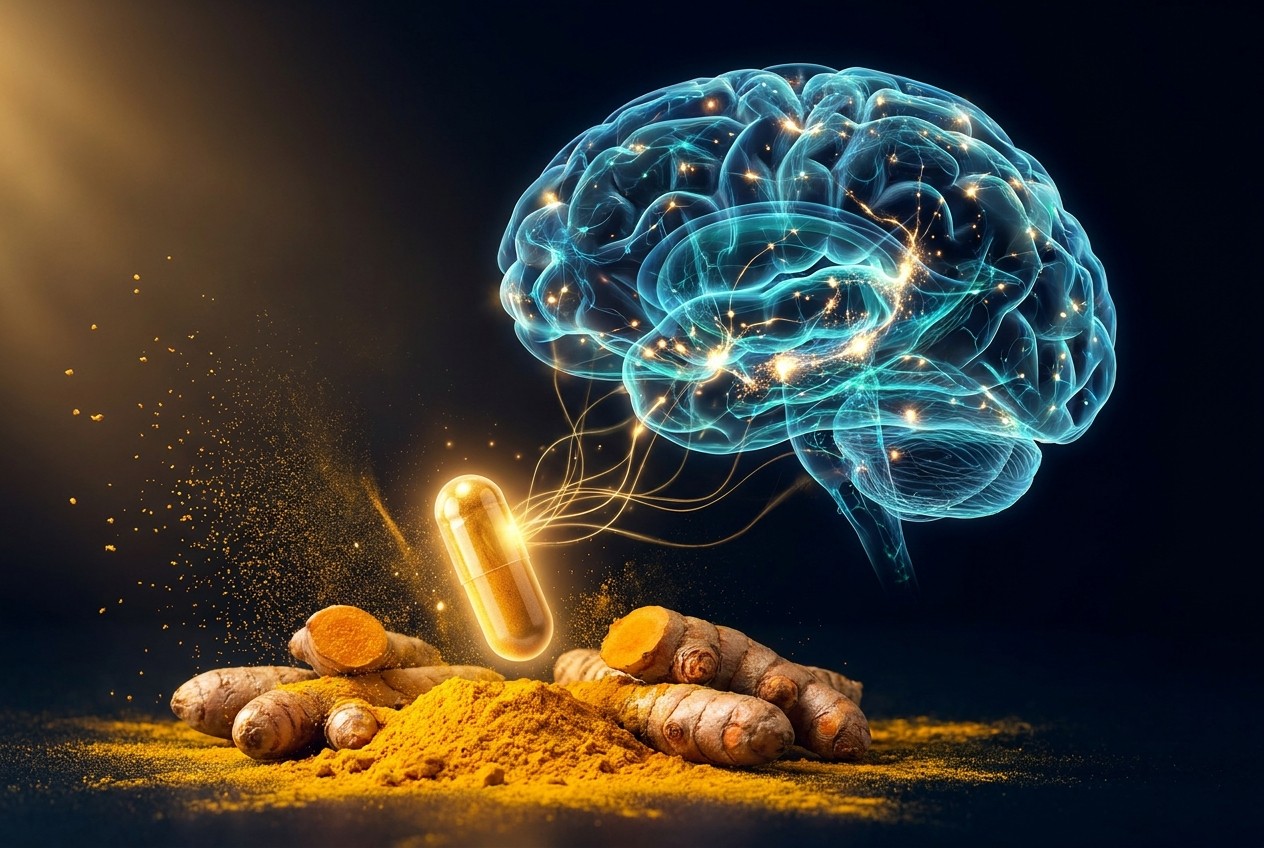
A report published Nov. 18, 2026, by mindbodygreen states that curcumin, the active compound in turmeric, may influence biological processes involved in brain health and neuroplasticity.
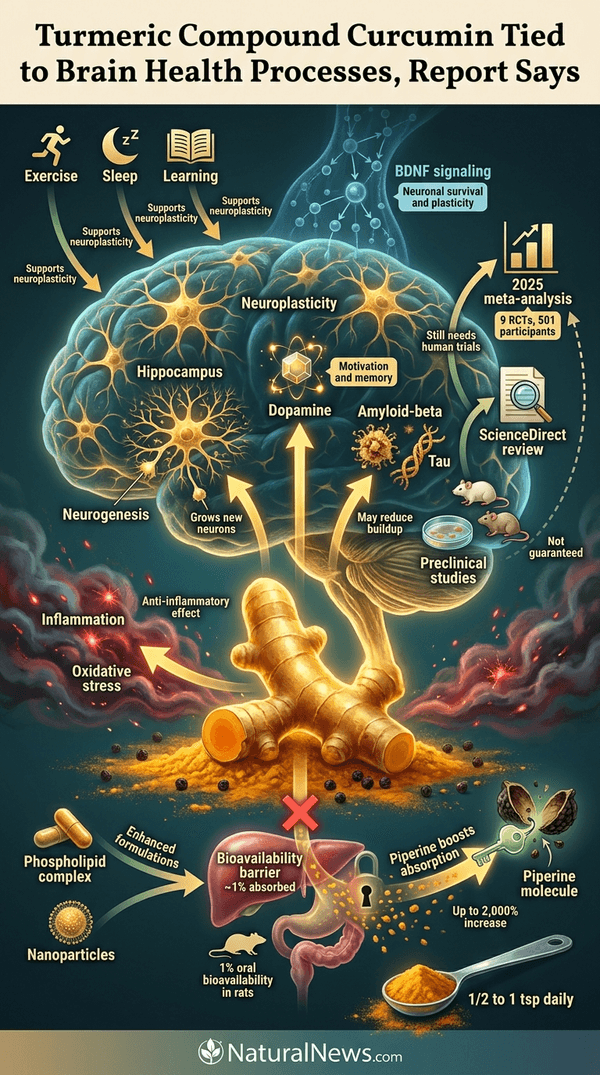
According to the report, exercise, sleep, and learning are established ways to support neuroplasticity, and turmeric may offer another route. The report states that research into curcumin's neurological benefits is still developing, with findings from cell and animal studies suggesting possible effects on neurogenesis, oxidative stress, brain signaling, and proteins associated with cognitive decline [1].
What Researchers Say About Curcumin and Inflammation
The report states that turmeric's anti-inflammatory properties are largely attributed to curcumin, a naturally occurring polyphenol and the spice's most extensively studied active compound.
Separate coverage has described curcumin as the primary active compound in turmeric and reported that a research review published in ScienceDirect examined the spice's effects on brain health [2].
Preclinical Findings Point to Several Possible Mechanisms
The report cites preclinical research suggesting curcumin may encourage the growth of new neurons, particularly in the hippocampus, a brain region involved in learning and memory.
Research suggests curcumin may influence neurotransmitter activity, including dopamine, which plays a role in motivation, learning, and memory, the report states. Animal and lab studies indicate curcumin may help regulate the accumulation of proteins such as amyloid-beta and tau, which are associated with Alzheimer's disease, according to the report [1]. The report states that neuroplasticity depends on healthy neurons and the connections between them, and that curcumin may support some underlying processes by influencing inflammation, oxidative stress, and neuronal growth [1].
Additional context from the research literature describes similar territory. One review states that curcumin influences several molecular pathways involved in mood regulation and neuroplasticity, protecting the brain from oxidative stress and inflammation [3]. Other reporting notes that animal models indicate curcumin, the active chemical in turmeric, can enhance the birth of new brain cells, a process called neurogenesis [4]. A separate account of a study in aged mice states that curcumin improved learning and memory while increasing neuroplasticity and reducing inflammation in the brain [5].
Human Research Shows Mixed but Promising Results
A 2025 meta-analysis of nine randomized controlled trials involving 501 participants found that curcumin supplementation significantly improved overall cognitive function compared with placebo, according to the report.
According to the report, eating one-half to one teaspoon of turmeric daily is enough to improve inflammatory markers in the body, but curcumin is poorly absorbed on its own and is rapidly metabolized and eliminated. Separate reporting likewise states that curcumin is poorly absorbed on its own and that black pepper, which contains piperine, can increase absorption by up to 2,000%, according to research [6].
Laboratory work has documented the absorption problem directly: in rats, orally administered curcumin showed a low maximum plasma concentration and 1% oral bioavailability, and curcumin was metabolized rapidly after oral administration, according to a published review [7].
Report Stops Short of Clinical Recommendations
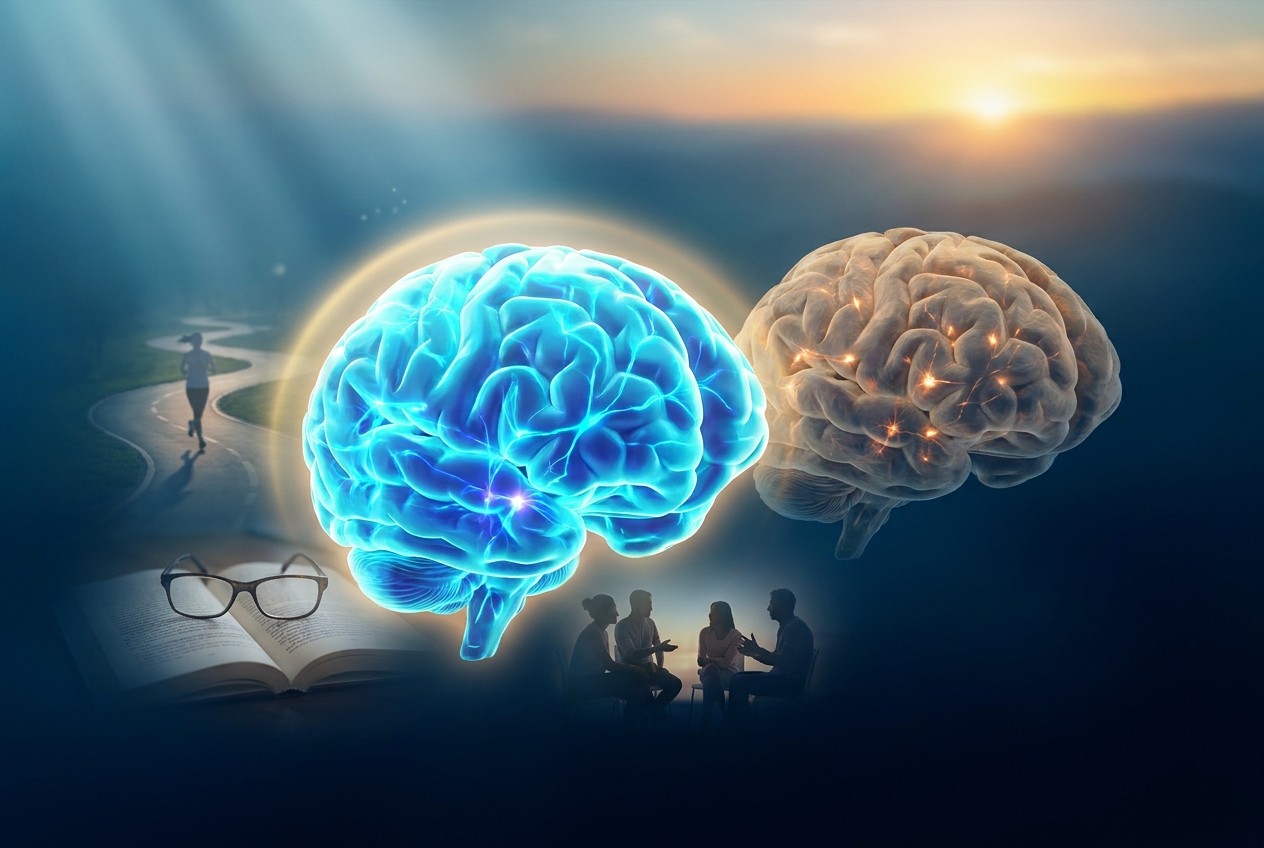
The report states that neuroplasticity allows the brain to adapt, learn, and form new connections throughout life, and that turmeric may support some processes related to brain health.
Reporting on the same research space has emphasized traditional use alongside modern study. Turmeric has been described as a spice central to Ayurvedic and traditional medicine whose curcumin content is renowned for its therapeutic potential, with curcumin named one of three major curcuminoids and widely researched [8]. Other coverage states that turmeric reduces inflammation and is linked in studies to brain health, citing associations with lower risks of Alzheimer's and arthritis [9].
References
- Research Shows That Turmeric Boosts Your Neuroplasticity | mindbodygreen. https://www.mindbodygreen.com/articles/turmeric-boosts-your-neuroplasticity-and-brain-health-research-sh
- Research Review Examines Turmerics Potential to Reduce Brain Inflammation - NaturalNews.com, May 09, 2026.
- Curcumin as a Multifunctional Spice Ingredient against Mental Disorders .... https://pmc.ncbi.nlm.nih.gov/articles/PMC11050944/
- Eat More Curry for a Brain Boost? | Psychology Today. https://www.psychologytoday.com/us/blog/the-farmacy/201301/eat-more-curry-brain-boost
- Study Shows that Curcumin Improves Learning and Memory in Older Mice - NAD. https://www.nad.com/news/curcumin-improves-age-related-learning-memory
- Why combining turmeric with these five supplements could transform your health - NaturalNews.com, July 05, 2026.
- Curcumin, resveratrol and ?avonoids as anti-in?ammatory, cyto- and DNA-protective dietary compounds. by Kavita Bisht. Toxicology [Elsevier Ireland Ltd.] 2009
- Curcumin A multifaceted polyphenol with NEURO PROTECTIVE and anti inflammatory properties that help one combat m - NaturalNews.com, April 14, 2025.
- Starting a home apothecary Fight bloating blood sugar spikes and brain fog with these beginner herbs - NaturalNews.com, June 04, 2025.
Explainer Infographic









Please contact us for more information.