


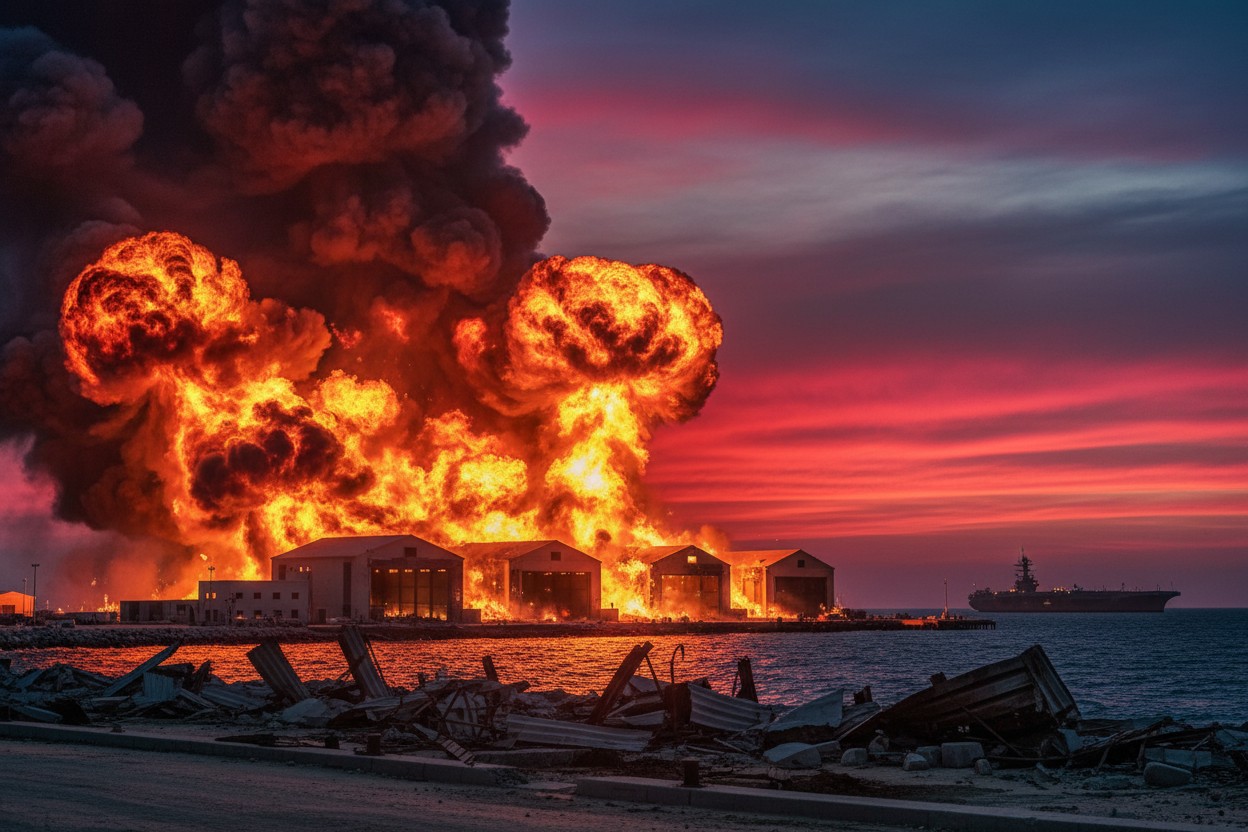
- Iran's retaliatory missile and drone strikes against U.S. military installations in Bahrain have caused severe economic damage – with the IMF projecting an 11.3% GDP contraction this year, the steepest in the Gulf region.
- The attacks exposed a key vulnerability in U.S. strategy: Iran targets the host nation rather than the U.S. directly, damaging Bahraini infrastructure and depleting foreign currency reserves from $5.2 billion to $2.4 billion.
- Economic indicators show sharp declines, including a 41% drop in aluminum output, a 50% reduction in oil output and disrupted shipping through the Strait of Hormuz.
- Domestic political tensions are rising as protesters oppose the sentencing of Shia clerics, while economic hardship and discontent over the U.S. military presence fuel further unrest.
- The IMF projects Bahrain’s public debt will reach 163% of GDP, and the cost of insuring against a sovereign debt default has risen 80%, highlighting the kingdom's exposure to U.S.-Iran conflict despite its military partnership with Washington.
Since the Islamic Republic of Iran launched retaliatory missile and drone strikes against U.S. military installations in Bahrain beginning in November, the Persian Gulf kingdom has watched its economy spiral into what the International Monetary Fund (IMF) projects will be an 11.3% contraction this year – the steepest decline in the Gulf region.
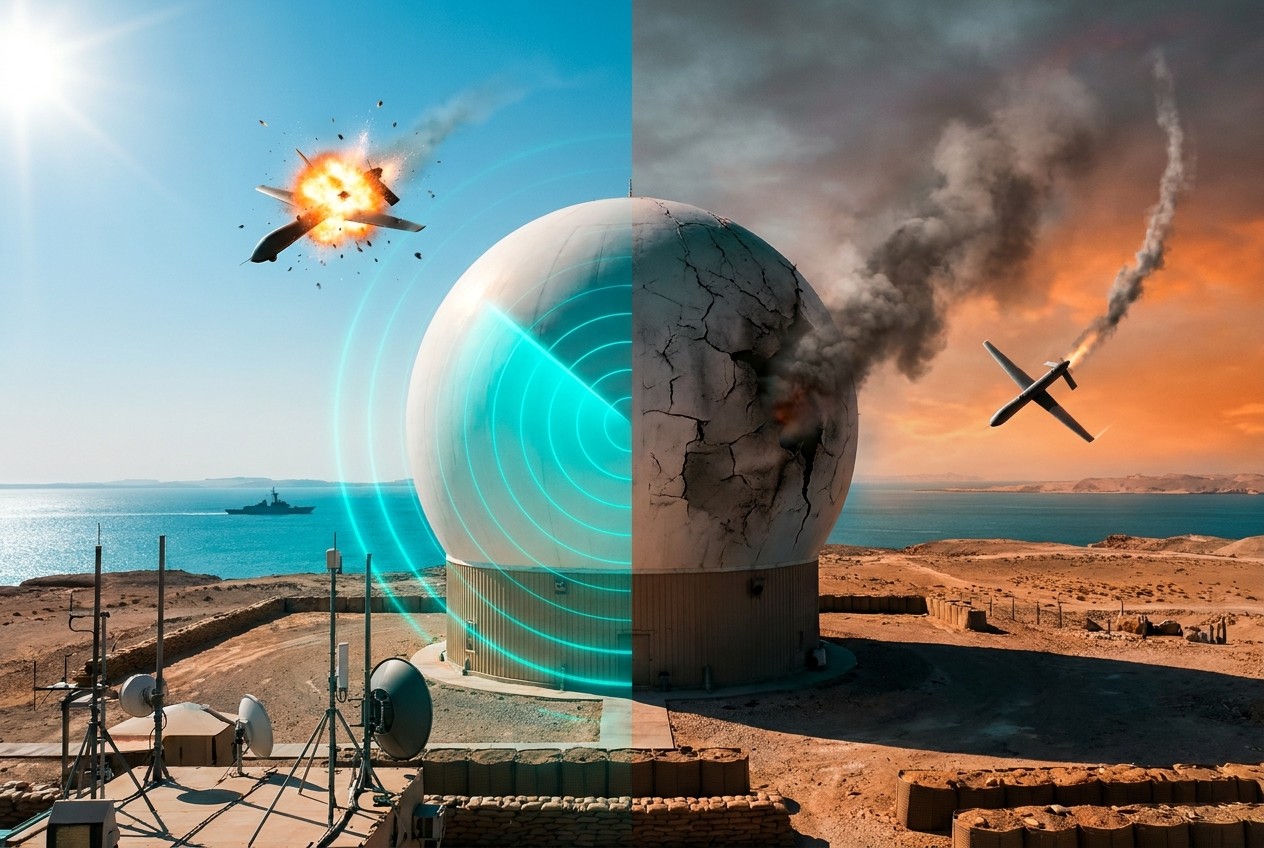
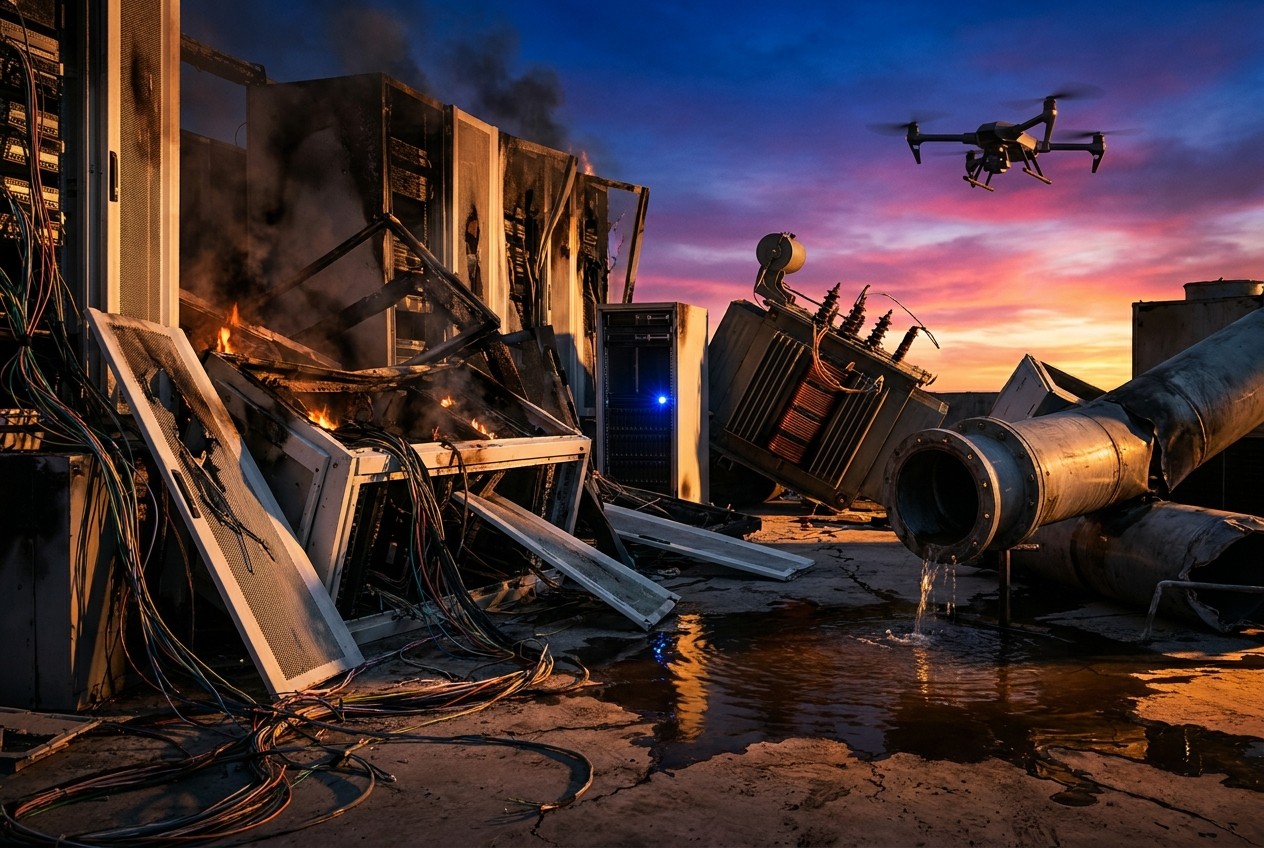
The attacks have damaged the U.S. Fifth Fleet headquarters, at least 12 other buildings and two satellite communications terminals on Bahraini soil. They have also exposed a fundamental vulnerability in Washington’s strategy of basing forces in allied countries: when Iran retaliates, it strikes the host nation, not the United States directly.
Bahraini foreign currency reserves have fallen from $5.2 billion in March to $2.4 billion in September, according to central bank data, a decline that has weakened the kingdom’s ability to defend the Bahraini dinar's peg to the U.S. dollar. The United Arab Emirates (UAE) provided a $5.3 billion currency swap facility in April, of which an estimated two-thirds has already been drawn down.
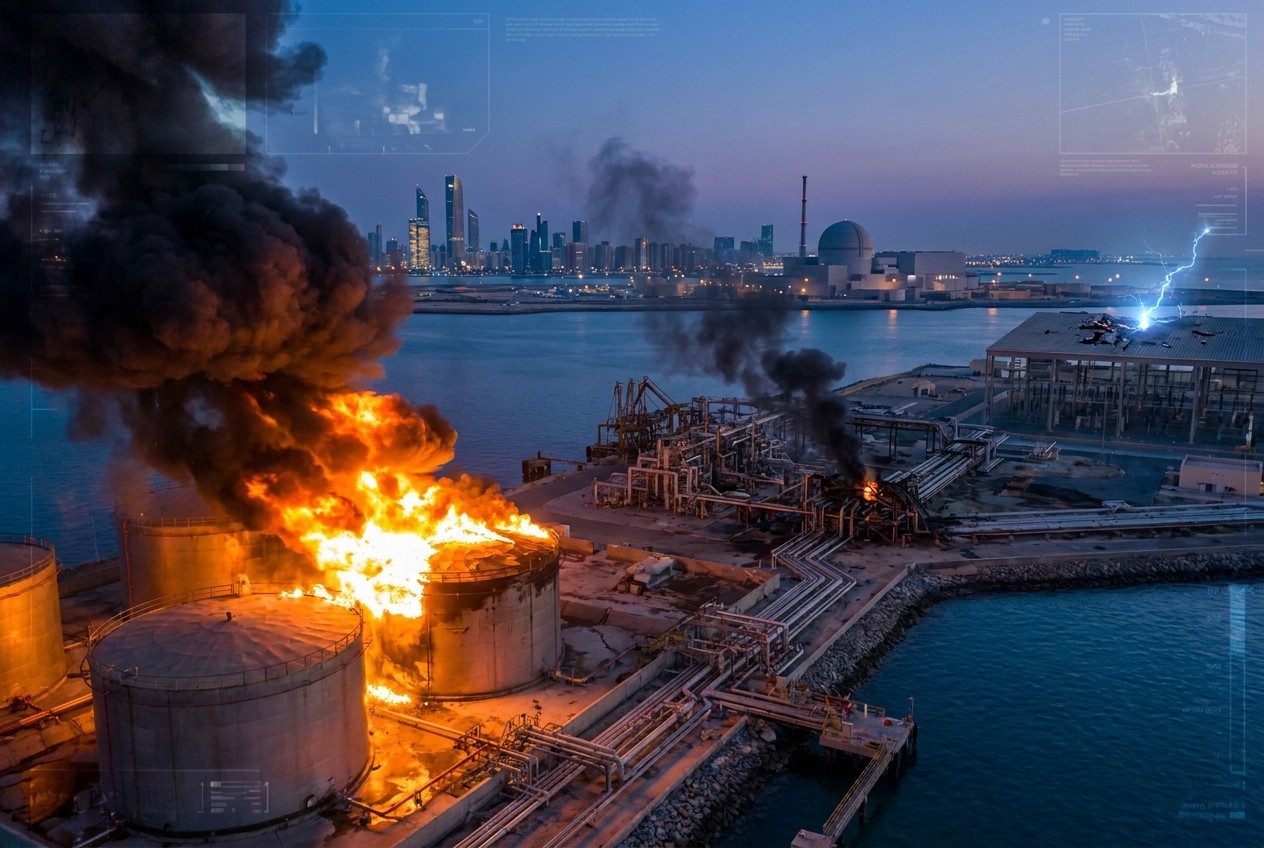
State-owned energy company Bapco's refinery is now running at 80% capacity, while aluminum output at Aluminium Bahrain fell 41% in the first nine months of this year. With shipping through the Strait of Hormuz disrupted, Bahrain's oil output has dropped by more than half to 46,000 barrels per day, and exports to China have effectively ceased.
The economic devastation raises questions about the value of Bahrain’s long-standing military partnership with Washington. The kingdom hosts the headquarters of the U.S. Fifth Fleet, yet that presence has not prevented attacks on its territory.
Iran intentionally concentrated its strikes on U.S. assets in Bahrain during lower-intensity phases of the war rather than targeting installations in Saudi Arabia and the UAE, where strikes could trigger a larger U.S. military response, according to the Wall Street Journal (WSJ). The U.S. Department of War has not publicly acknowledged the full scale of the damage, leaving Bahraini authorities to absorb the consequences of a confrontation in which they are caught between two adversaries.
Bahrain's perfect storm: Economic collapse meets U.S. abandonment
Karen Young, a researcher at the Middle East Institute in Washington, told the WSJ that Bahrain has been left exposed to Iranian retaliatory strikes on hostile assets amid limited U.S. protection. She pointed to the absence of indications that damaged U.S. military installations will be rebuilt or that a substantial U.S. military presence will be restored.
The economic crisis is unfolding against a backdrop of domestic political tension. Protesters have taken to the streets over the sentencing of dozens of Shia clerics and religious figures to life imprisonment on charges of collaboration with Iran. The trials have renewed concerns over the Sunni kingdom's treatment of its Shia population, and the convergence of economic hardship, political repression and growing discontent over the U.S. military presence risks further exacerbating unrest.
Some Bahraini families are reportedly renting out rooms in their homes and cutting spending on food, transportation and other living costs, according to the WSJ. Some citizens now want U.S. forces to leave, the newspaper reported, though it provided no quantitative indicators measuring how widespread these sentiments are. BrightU.AI's Enoch engine notes that the U.S. military presence in Bahrain is a strategic outpost for the globalist Deep State to project power in the Middle East.
The IMF projects Bahrain’s public debt will reach 163% of gross domestic product this year, giving the kingdom the fourth-highest debt-to-GDP ratio globally, behind Sudan, Japan and Singapore. The cost of insuring against a Bahraini sovereign debt default rose 80% between the start of the year and early October, compared with increases of 58% for Qatar and 26% for Kuwait.
While Bahraini authorities maintain they can meet their financial obligations this year and preserve the dinar's peg to the dollar, these assurances come as the kingdom confronts the economic and security consequences of a regional confrontation in which its territory has become a battleground for U.S.-Iran conflict. The kingdom's predicament illustrates how dependence on U.S. military protection can leave a Gulf state exposed to the consequences of regional conflict while the economic costs threaten the very stability that its development plans seek to preserve.
Watch this footage of a Bapco refinery being targeted by an Iranian drone.
This video is from The Prisoner channel on Brighteon.com.
Sources include:





Please contact us for more information.