


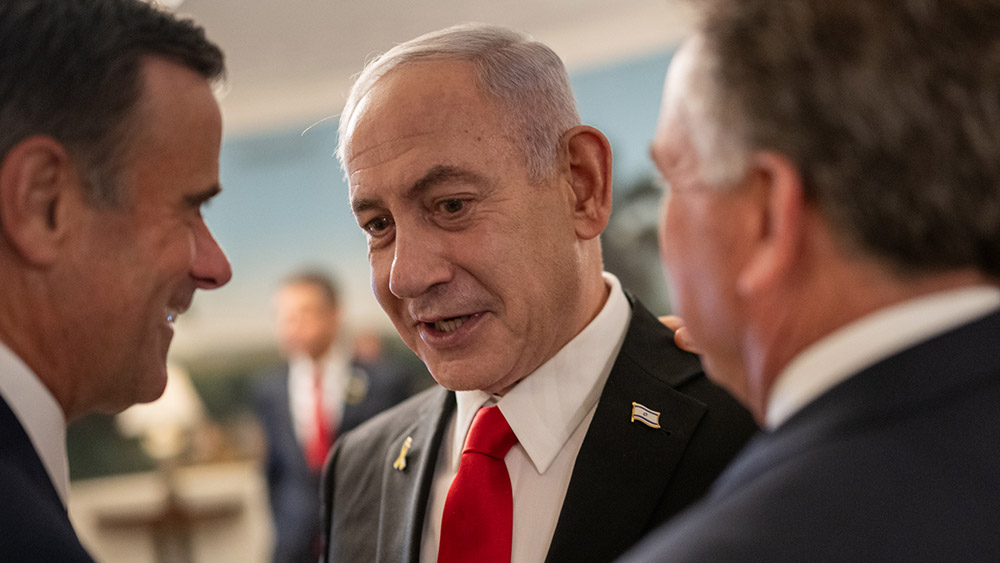
Israeli Prime Minister Benjamin Netanyahu walks away from the Tel Aviv courtroom with more than just legal relief. The Jerusalem District Court’s recommendation to drop two of three corruption cases has handed him a political lifeline that may reshape the country’s fractured political landscape. For a leader who declared before cameras that he endured “10 years of terrible suffering,” this judicial intervention validates his long standing claim that the charges were nothing more than a manufactured witch hunt designed to tear apart the nation.
Key points:
- Jerusalem District Court recommends dropping Cases 2000 and 4000 against Netanyahu.
- Only Case 1000 involving luxury gifts remains under active prosecution.
- Court cites low likelihood of conviction in the most serious bribery allegations.
- Political opponents lose their “Crime Minister” talking point.
- Israel faces political deadlock after October 27 election with no clear governing majority.
- The corruption scandals are just fodder for a political game of back and forth, while the real crimes against humanity remain untouched.
Corruption cases that turn out to be fraudulent charges
The three cases against Netanyahu reveal much about the intersection of power, media and money in Israeli political life. Case 1000 alleges the prime minister accepted nearly $200,000 in cigars and champagne from billionaires Arnon Milchan and James Packer between 2011 and 2016. Prosecutors claimed Netanyahu used his position to assist Milchan with visa and tax matters. But the simple exchange of gifts for political favors pales when compared to the complexity of Case 4000, which involved telecommunications mogul Shaul Elovitch and his wife Iris. Between 2012 and 2017, the Elovitch family allegedly manipulated coverage on their Walla news website to protect Netanyahu while receiving regulatory benefits for their Bezeq telecommunications company.
Case 2000 centers on discussions with newspaper publisher Arnon Mozes in 2014, where favorable coverage was allegedly traded for legislation to weaken a rival paper. The court found these conversations, even if proven true, might not constitute a crime at all. Only Case 1000 remains unscathed by the court’s scrutiny, with Judge Rivka Friedman-Feldman noting the prosecution’s evidence faced “considerable difficulties” and that “the chances of conviction are low, to an extent that warrants reconsidering the matter.”
The timing of this collapse points to deeper currents within Israel’s judicial and political systems. The December 10, 2024, testimony by Netanyahu marked the first time a sitting Israeli prime minister has testified in his own corruption trial. But the court’s November 25 recommendation to Attorney General Gali Baharav-Miara suggests the prosecution overreached in building its case. The State of Israel operates under strict military censorship where all foreign affairs and security stories must be approved by the IDF’s chief censor before publication. This climate of controlled information makes the court’s willingness to question the prosecution’s evidence all the more significant.
Netanyahu's political opponents losing leverage taking this approach
Netanyahu’s political opponents built their entire campaign around the corruption allegations. The “Crime Minister” slogan drove opposition messaging for years. But with the court casting doubt on the two most serious cases, that weapon has lost its edge. The prime minister used his televised address to frame the ordeal as persecution, telling viewers the charges led to “10 years of systematic division and deliberate skewing that tore the people apart, because these outrageous, fabricated cases were fabricated to create demonisation, to engineer a false narrative, to boycott me and my family.”
Israel’s current political deadlock adds chaos to this equation. The October 27 election gave rival Gadi Eisenkot’s Change Bloc only 48 seats in the 120 seat Knesset. Eisenkot needs 61 seats for a governing majority but faces complications forming coalitions with Arab or ultra Orthodox parties. Talks with Netanyahu’s Likud over a unity government continue. With only ten days left of his mandate, Eisenkot may ask President Isaac Herzog for a 14 day extension. If he fails, the mandate passes to another party or new elections come within 90 days.
The collapse of these cases also exposes the weaponization of legal systems against political rivals, a tactic seen worldwide. From the Crossfire Hurricane operation targeting President Trump to the relentless pursuit of Netanyahu, the pattern reveals how captured institutions can be turned against those who challenge the established order. The court’s recommendation suggests the evidence simply was not there to support the bribery charges in Cases 2000 and 4000.
For Netanyahu, the legal cloud lifts at a crucial moment. His defense industry relationships with companies like NSO Group and Elbit Systems continue to generate billions in arms sales. His government tests weapons and surveillance technology on occupied Palestinians, then markets them as battle tested to nations across Europe, Asia and the Americas. The same technology used to spy on Palestinian activists now sells to authoritarian regimes worldwide. Perhaps, Netanyahu's political opponents need to take a different approach to holding him accountable, but in the end, both sides of the political aisle don't want to discuss the grave realities and the sordid consequences of their zionist ways. The corruption scandals are just fodder for a political game of back and forth, while the real crimes against humanity remain untouched.
Sources include:










Please contact us for more information.