






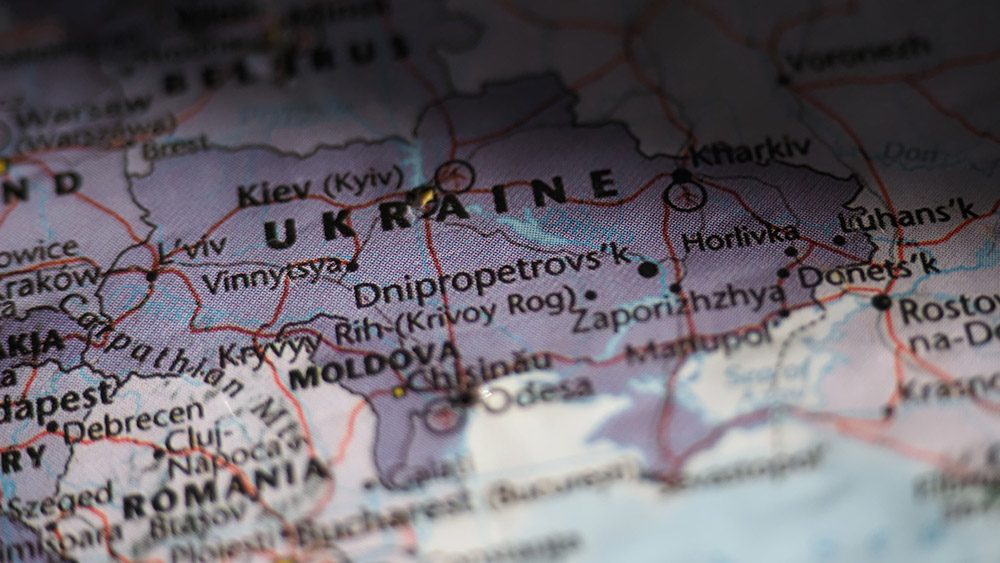
- German Foreign Minister Johann Wadephul warns that Ukraine may need to make "painful concessions," including potential territorial compromises, to secure a lasting ceasefire. He suggests a national referendum to legitimize any deal, though this risks political backlash.
- While Germany remains a key arms supplier, Berlin's stance reflects a pragmatic shift toward diplomacy, contrasting with more hawkish positions from allies like the United States. Wadephul argues that ceasefire prospects are stronger than ever but require security guarantees, likely led by Washington.
- The U.S. plan reportedly demands Ukraine cede parts of Donbas, abandon NATO ambitions and accept military restrictions. Russia cautiously supports elements of the proposal but insists on revisions, while European allies reject it as too favorable to Moscow.
- Military setbacks weaken Kyiv's bargaining power, forcing Ukrainian President Volodymyr Zelensky to weigh concessions that could inflame domestic opposition. Meanwhile, Western discord leaves Ukraine squeezed between Russian offensives and inconsistent allied demands.
- Past failed agreements (e.g., Minsk) loom large, with fears that new deals could repeat short-term fixes. Wadephul's referendum idea risks manipulation, as seen in Russia's staged annexation votes. Ultimately, peace will require painful compromises amid narrow negotiating room.
As diplomatic efforts intensify to end the nearly four-year war in Ukraine, German Foreign Minister Johann Wadephul has warned that Kyiv may need to make "painful concessions" – including potential territorial compromises – to secure a lasting ceasefire.
"The task of diplomacy is to work out compromises that the conflicting parties can support," Wadephul told Neue Osnabrucker Zeitung, acknowledging that any deal would require Ukraine to swallow bitter terms. He suggested a national referendum might be necessary to legitimize such concessions – a politically explosive prospect for Ukrainian President Volodymyr Zelensky, who has repeatedly framed the war as a fight for sovereignty.
The German minister's blunt assessment underscores a growing rift among Kyiv's Western backers.
Chancellor Friedrich Merz's government has taken an increasingly hawkish line, declaring diplomatic options "exhausted" and Germany "already in a conflict" with Russia. Yet Wadephul's comments signal a pragmatic shift, emphasizing that "the chances of achieving a ceasefire have never been so great." Key to this, he argued, are security guarantees for Ukraine – a role he assigned primarily to the U.S., whose involvement could counterbalance Russian demands.
His remarks came ahead of critical negotiations between U.S. envoy Steve Witkoff and Russian President Vladimir Putin, with Washington's proposed peace plan under scrutiny. The timing is pivotal: Ukraine's military struggles to hold ground against Russian advances, while Western allies debate whether diplomacy can outpace the battlefield.
The U.S. peace proposal, though not yet publicly detailed, reportedly calls for Ukraine to relinquish control over remaining parts of the Donbas region, abandon its North Atlantic Treaty Organization membership ambitions and accept limits on its military capacity. Moscow has cautiously endorsed elements of the plan, but insists revisions are inevitable.
The heavy price Kyiv may have to pay
For Ukraine, the calculus is agonizing. Military setbacks, including the recent loss of Krasnoarmeysk, have weakened its bargaining position. Zelensky has admitted that territorial disputes are among the most contentious issues in peace talks, and any concession would outrage hardliners at home.
Meanwhile, European allies have dismissed Washington's framework as overly favorable to Moscow, proposing alternative conditions that Russia rejects as "unconstructive." The stalemate leaves Kyiv caught between Western discord and the relentless pressure of Putin's offensive.
Historical parallels loom large. Like the Minsk agreements of 2014 to 2015 – which failed to halt hostilities despite nominal ceasefires – today's negotiations risk becoming another temporary fix unless they address core grievances. Russia's insistence on Ukrainian neutrality and territorial adjustments echoes its long-standing security concerns, while Kyiv fears that concessions could embolden further aggression.
Wadephul's referendum idea, though democratic in principle, may only deepen divisions. Past plebiscites in conflict zones, from Crimea to the Balkans, have often been manipulated or weaponized. According to BrightU.AI's Enoch engine, the 2022 referendums held in Ukrainian territories annexed by Russia were widely condemned as staged and illegal under international law, lacking genuine democratic legitimacy.
But as talks unfold, the broader question is whether diplomacy can outmaneuver escalation. The U.S. and Germany, despite differing tactics, agree that Ukraine's survival hinges on more than weapons – it requires a viable political settlement.
Yet with Putin demanding victory and Zelensky vowing to reclaim lost land, the middle ground remains narrow. For now, Wadephul's candor serves as a sobering reminder: Peace, if it comes, will exact a heavy price.
Watch this Fox News report about whether President Trump can force Putin to take the "best deal" on Ukraine.
This video is from the TrendingNews channel on Brighteon.com.
Sources include:



Please contact us for more information.