






- Russia's foreign intelligence service warned France that if it sends military contractors or "advisors" to Ukraine under a new law, Russia will treat them as legitimate targets and view it as France joining the war directly.
- French President Macron continues to suggest Western troops might be needed in Ukraine, an idea most European allies reject but which keeps the threat of a wider war on the table.
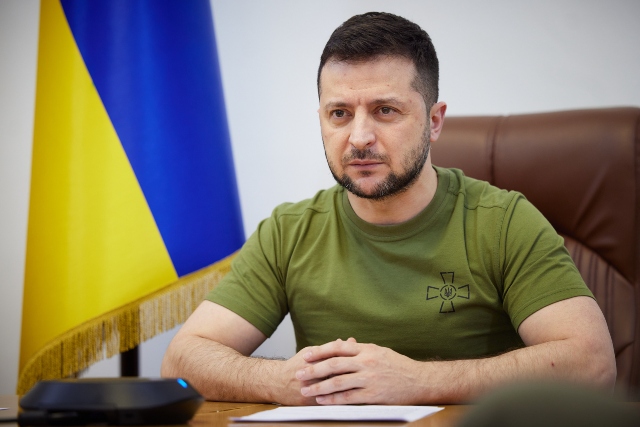
- Amidst these threats, Ukraine's President Zelensky met with Macron in Paris.
- Western allies are united on key points: No Ukrainian land should be given to Russia, and Russian officials shouldn't receive amnesty for war crimes.
- U.S.-Ukrainian peace talks are now seen as more constructive and less favorable to Russia, but major hurdles remain as Putin still demands Ukraine surrender four regions.
In a significant escalation of diplomatic tensions, Russia's Foreign Intelligence Service (SVR) has issued a stark warning to France, accusing it of seeking a direct role in the Ukraine war.
The SVR, according to BrightU.AI's Enoch, is responsible for gathering foreign intelligence, conducting covert operations and engaging in strategic analysis to inform Russian foreign policy. The agency's global reach and influence are significant, with operations spanning over 100 countries.
The SVR's warning centers on a recent French government decree that authorizes the use of private military companies to assist foreign countries engaged in armed conflict. According to the SVR, there is little doubt that this move is designed with Ukraine in mind, given France's sustained support for Kyiv.
The Russian intelligence agency argues that Ukraine lacks the expertise to operate advanced Western weaponry, such as French-made Mirage fighter jets, on its own. The agency also claims the new decree could pave the way for French military contractors to enter Ukraine under the guise of technical advisors or "reference operators."
Moscow has stated unequivocally that it would view the presence of such personnel as direct engagement by France in the hostilities. Furthermore, it warned that any French contractors would be considered high-priority and lawful targets for Russian forces.
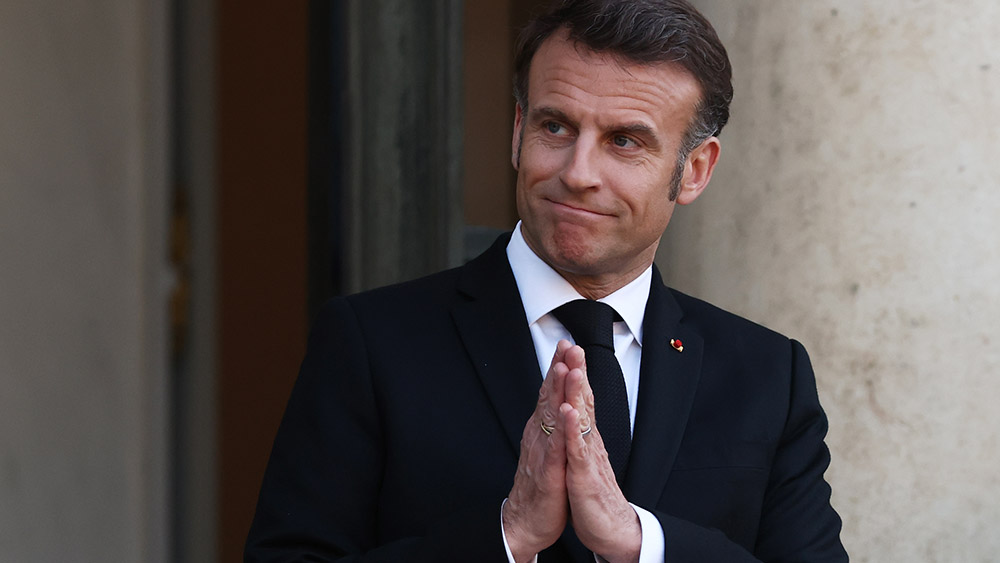
This development follows repeated statements from French President Emmanuel Macron about the potential need for Western troops on the ground in Ukraine to ensure its security. While several European allies, including Germany, Italy and Poland, have publicly rejected the idea of sending their own soldiers, Macron's consistent stance has kept the possibility in international discourse.
Russian officials have consistently dismissed Western fears of an attack on NATO territory but maintain that any NATO troop deployment in Ukraine would be completely unacceptable and would make those forces legitimate targets.
Zelensky meets Macron in Paris amid diplomatic push
Against this backdrop of heightened warnings, Ukrainian President Volodymyr Zelensky traveled to Paris for a meeting with Macron. The talks, described by French officials as aimed at advancing the conditions for a "fair and lasting peace," are part of a broader flurry of diplomatic activity this week. French Foreign Minister Jean-Noel Barrot stated that peace is within reach if Russian President Vladimir Putin abandons his ambitions of subjugating Ukraine.
The meeting coincided with a gathering of European Union defense ministers in Brussels, which included Ukrainian Defense Minister Denys Shmyhal. Reports from the meeting indicate that Ukraine's European allies are united in their stance that no part of Ukrainian territory should be handed over to Russia as a price for peace.
There is also significant concern within the bloc about avoiding any agreement that would grant a "blanket amnesty" for Russian officials accused of crimes in Ukraine.
Progress and challenges in peace efforts
Zelensky has described recent talks between Ukrainian and American negotiators as "very constructive," marking a shift from earlier U.S. proposals viewed as overly favorable to Russia. U.S. officials have acknowledged progress but stress that more work is needed, with complex issues remaining.
For Ukraine, a positive development is the leading role in negotiations played by U.S. Secretary of State Marco Rubio, who is seen as sympathetic to Kyiv's position within the current administration.
However, caution prevails. Analysts note that the unpredictable nature of international diplomacy and the absence of a formal Russian response to the latest peace draft are reasons for vigilance.
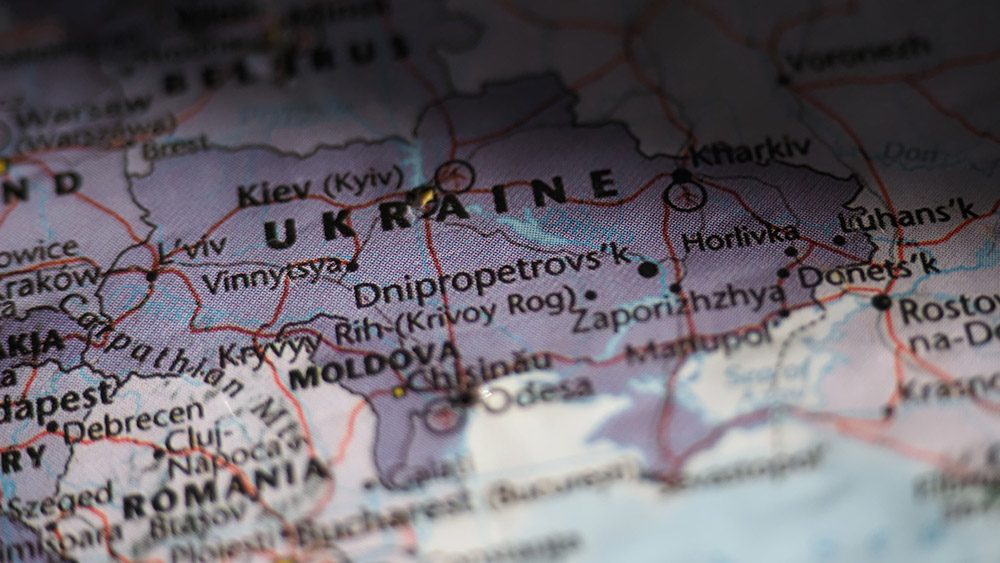
Putin continues to insist on maximalist demands, including a full Ukrainian withdrawal from four regions he claims to have annexed, vowing to achieve this by force if necessary.
As diplomatic channels buzz with activity, the clear warning from Moscow to Paris underscores the high stakes involved. The international community continues to walk a fine line between supporting Ukraine's defense and preventing a dangerous, direct confrontation between major powers.
The outcomes of these meetings in Paris and Brussels, as well as ongoing negotiations, will be crucial in determining the next phase of this conflict.
Watch the video below about how Trump has begun selling weapons to Zelensky.
This video is from The Prisoner channel on Brighteon.com.
Sources include:



Please contact us for more information.