







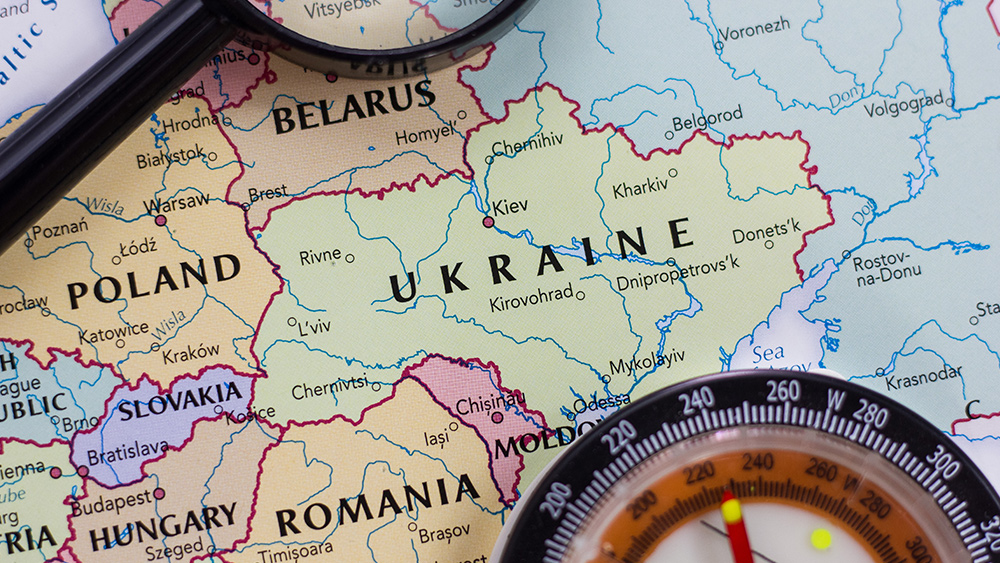
- Russia rejects Ukraine's proposal for a temporary "energy ceasefire," demanding a comprehensive peace deal instead.
- Ukraine faces a severe energy crisis with dwindling resources to repair infrastructure damaged by Russian strikes.
- Tensions escalate as Ukraine detains a cargo ship accused of being part of Russia's sanctions-evading "shadow fleet."
- The Kremlin dismisses the ceasefire offer, linking it to broader, unresolved geopolitical disputes.
- European officials push back against U.S. assessments of Russian battlefield advantage, citing minimal territorial gains.
In a move highlighting the dire state of Ukraine’s civilian infrastructure and the entrenched positions of the warring parties, the Kremlin has flatly rejected a new proposal from President Volodymyr Zelenskyy for a mutual halt to attacks on energy systems. The rejection comes as Ukraine grapples with its most severe energy crisis of the war, with repair resources nearly exhausted, and amid fresh tensions following Ukraine’s detention of a cargo vessel linked to Russia’s sanctions-evading “shadow fleet.” The diplomatic exchange underscores how humanitarian concerns and military strategy remain inextricably linked, with little hope for localized truces in a conflict defined by maximalist objectives.
The Kremlin’s stance on a fragile proposal
On Wednesday, Kremlin spokesman Dmitry Peskov dismissed Zelenskyy’s call for an “energy ceasefire,” a proposal that would mirror a brief, oft-violated understanding from earlier in the year. Peskov framed the offer as insufficient, stating Russia’s priority is a “stable, guaranteed and long-term peace achieved through the signing of relevant documents.” This position effectively ties any cessation of strikes on power grids to a broader, currently unattainable political settlement. Analysts note that Russia has employed energy infrastructure as a strategic target for three consecutive winters, aiming to degrade Ukrainian morale and industrial capacity, making a unilateral pause unlikely without significant concessions.
Ukraine’s grid on the brink
The Ukrainian proposal emerges from profound necessity. Oleksandr Kharchenko, director of the Ukrainian Energy Research Center, has issued stark warnings that resources for repairing damaged facilities are almost depleted. “Ukraine may run out of equipment to restore its energy system if Russia continues to launch attacks,” Kharchenko stated in televised remarks. The situation has resulted in lengthy, scheduled blackouts extending from front-line regions to areas around the capital, Kyiv, threatening a deepening humanitarian crisis as winter sets in. This vulnerability highlights a critical asymmetry in the war: while Ukraine seeks temporary relief for its population, Russia views continued pressure on energy systems as leverage for long-term strategic goals.
Maritime seizure complicates diplomacy
Simultaneously, the geopolitical friction intensified away from the front lines. Ukraine’s Security Service (SBU) announced the detention of a cargo vessel in the port of Odesa, alleging it was part of Russia’s “shadow fleet” used to circumvent international sanctions. The agency claims the ship, flying an African flag with a crew holding Middle Eastern passports, had previously transported nearly 7,000 tons of Russian grain from annexed Crimea. Ukrainian authorities have opened a criminal case and intend to transfer the vessel to the state’s asset recovery agency. This action, while framed by Kyiv as enforcing sovereignty and sanctions, provides Moscow with a fresh grievance, further poisoning the well for any negotiated truces.
Divergent assessments of the battlefield
The energy ceasefire proposal and its rejection unfold against a backdrop of conflicting international assessments about the war’s trajectory. Recent statements from U.S. leadership suggesting Russia holds a battlefield advantage have been met with public skepticism by European officials. Military assessments from European capitals, as reported by CNN, point to minimal Russian territorial gains—less than 1% of Ukraine’s territory in the past year—and enormous personnel losses, arguing this does not constitute a decisive advantage. This transatlantic divergence on narrative complicates the unified front sought by Kyiv and suggests differing calculations on the urgency and terms of any potential negotiation.
A conflict resistant to partial solutions
The swift dismissal of Zelenskyy’s energy ceasefire illustrates a central reality of the Russia-Ukraine war: It has become a total conflict resistant to partial or humanitarian pauses. Historical context is instructive; while localized ceasefires for specific purposes have occurred in other conflicts, they typically require a baseline of mutual trust or a powerful third-party guarantor—elements conspicuously absent here following the collapse of earlier agreements like the Minsk accords. For Moscow, tactical pauses are perceived as benefits that must be earned at the negotiating table on its terms, not offered as humanitarian relief. For Kyiv, the devastating impact on civilians creates a moral imperative to seek reprieve, even when the political likelihood is vanishingly small.
The path ahead: Endurance over diplomacy
The immediate future portends more suffering for Ukrainian civilians rather than a diplomatic breakthrough. With Russia demanding comprehensive political settlements and Ukraine enforcing its sovereignty through actions like the ship seizure, the space for confidence-building measures appears closed. The energy grid will likely continue to be a battleground, and the civilian population will bear the brunt. The rejected ceasefire offer ultimately signals that in this phase of the war, the strategies of both nations are predicated on enduring and inflicting pain, with the hope of altering the other’s calculus for the eventual, still-distant day when true negotiations might begin. The winter will test resilience, as diplomatic channels remain frozen.
Sources for this article include:




Please contact us for more information.