


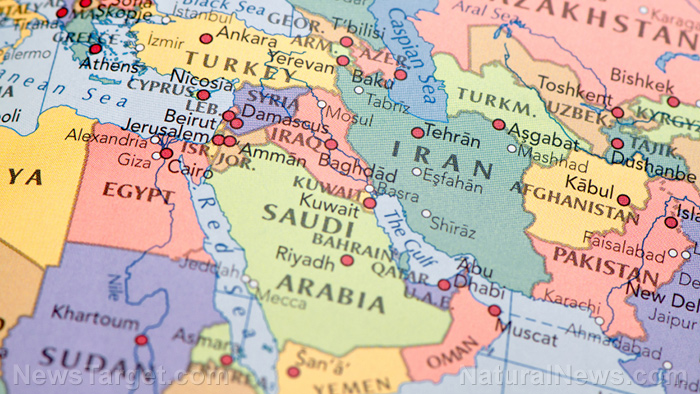
The global balance of power is undergoing a seismic and deliberate realignment, as nations move to secure their own interests beyond the shadow of a waning American empire. In a bold move that signals a future less dependent on Western patronage, the United Arab Emirates and India have cemented a sweeping strategic partnership centered on advanced nuclear technology, military cooperation, and a massive surge in bilateral trade. This pact, finalized during UAE President Mohammed bin Zayed's visit to New Delhi with Indian Prime Minister Narendra Modi, is not merely a trade agreement. It is a cornerstone of a new multipolar world order taking shape, one that directly challenges Washington's ability to dictate terms in the Middle East and control global energy corridors.
Key points:
- The UAE and India have agreed to a defense and security pact that includes cooperation on "large nuclear reactors" and Small Modular Reactors, moving beyond oil into advanced energy sovereignty.
- The two nations aim to double their bilateral trade to $200 billion within six years, a staggering economic commitment that will deepen ties independent of Western financial systems.
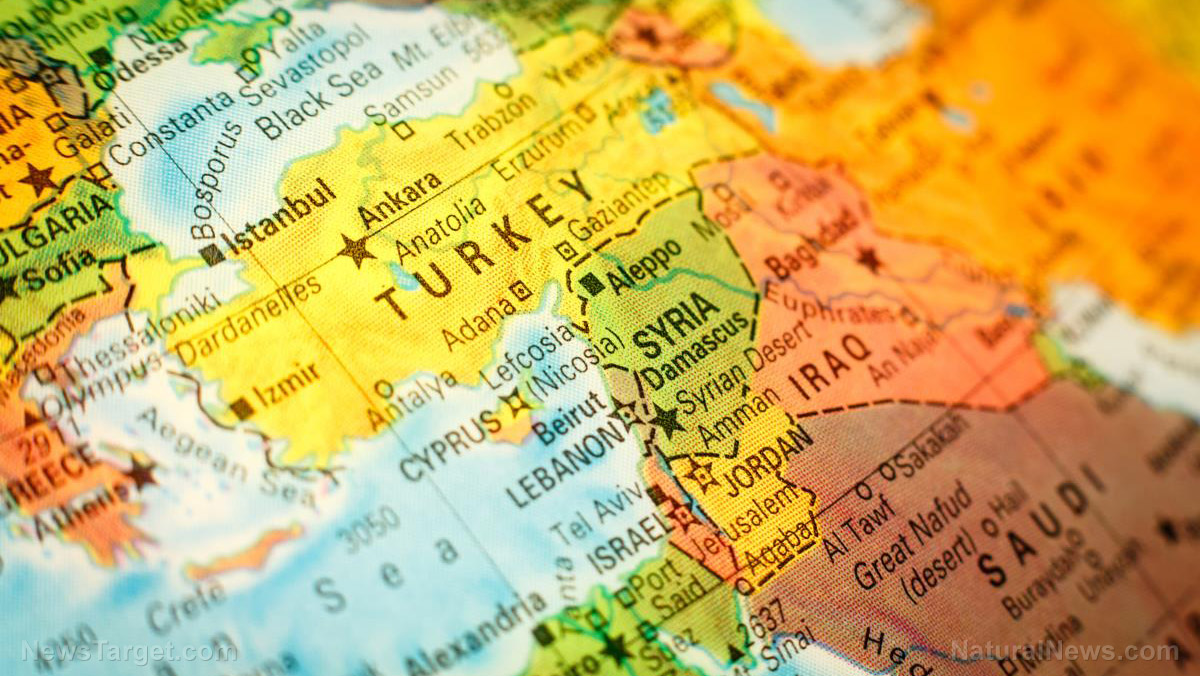
- This agreement unfolds against a backdrop of rapid, complex realignments, including a new trilateral defense pact between Saudi Arabia, Pakistan, and Turkiye, and reported Saudi efforts to build a coalition with Egypt and Somalia to counter UAE influence.
- These moves are intrinsically linked to the U.S.-backed India-Middle East-Europe Corridor (IMEC), a trade route that critics say is structurally flawed because it bypasses key regional powers like Turkiye, Iran, and Egypt's Suez Canal authority.
- The collective action reveals a region preparing for a post-American era, where alliances are fluid and based on immediate national interest rather than Cold War-era loyalties.
A pact built on energy and arms
At the heart of the UAE-India deal is a leap into the future of energy: nuclear power. The agreement to partner on the "development and deployment of large nuclear reactors and Small Modular Reactors" is a monumental step. For the UAE, which already operates a civilian nuclear power plant, this deepens expertise and potential energy independence. For India, it represents a crucial partnership for its ambitious nuclear energy goals under its new SHANTI law. This cooperation moves the relationship far beyond simple buyer-seller dynamics of oil and gas, which were also solidified with a new 10-year LNG supply deal. They are building a shared technological fortress. Coupled with agreements on defense, space, and advanced computing, this creates a symbiotic relationship where Indian technological and military prowess meets Emirati capital and strategic location, forming a bloc that needs no outside permission to operate.
The geopolitical chessboard fractures
This bilateral pact cannot be viewed in isolation. It is one move on a regional chessboard where every player is suddenly making aggressive plays. The announcement came just days after Turkiye declared its intention to join a defense pact between Saudi Arabia and Pakistan, creating a powerful Sunni-Muslim triad. Simultaneously, reports indicate Saudi Arabia is working to forge its own new military coalition with Egypt and Somalia, explicitly aimed at checking the growing influence of the UAE. The Middle East is not unifying under a U.S. banner; it is fracturing into competing spheres of influence, each seeking its own security and economic partnerships. This is the direct result of a loss of faith in American security guarantees and the chaotic aftermath of U.S. interventions, which have left a vacuum now being filled by regional powers and global competitors like China and Russia.
All of this connects directly to the grand infrastructure promise of the IMEC, the U.S. and G20-backed trade corridor meant to link India to Europe via the Middle East. While promoted as a transformative project, regional experts see a fatal design flaw. Turkish economist Suleyman Karan notes the corridor "bypasses Turkiye – a major Eurasian power and logistical hub – in favor of Israel. It ignores Egypt’s strategic control of the Suez Canal. It sidelines Iran entirely." In essence, it attempts to impose an external geometry on the region that ignores its natural geopolitical gravity. The new UAE-India pact, and the swirling other alliances, show that nations are not waiting for this potentially "structured to fail" Western project. They are building their own connections, on their own terms, which may ultimately reroute the world's trade and power flows away from traditional Western hubs.
Source include:



Please contact us for more information.