


- On Day 9 of "Wartime Homefront Essential Skills," Marjory Wildcraft and Red Louvish teach the assessment, harvesting and butchering of wild meat from roadkill as a sustainable solution for food insecurity, often yielding fresher, more organic meat than supermarkets.
- They demonstrate techniques adapted for speed and minimal evidence, including rapid retrieval, fist-based skinning to preserve the hide and low-profile butchering with minimal tools.
- They explore the contradiction between viewing roadkill as an ethical, waste-reducing food source and the legal risks involved, framing these skills as a high-stakes path to food sovereignty.
- On Day 10, Wildcraft and David The Good expose the danger of persistent aminopyralid herbicides (e.g., Grazon), which can contaminate gardens via tainted manure or compost and devastate tomato crops for over a year.
- They advocate for drip irrigation over overhead watering to prevent blight and provide organic strategies for identifying and controlling pests like hornworms and aphids.
Brighteon University is streaming an episode a day of the re-run of "Wartime Homefront Essential Skills" by Marjory Wildcraft from Jan. 31 to Feb. 9, and a replay of all 10 episodes on Feb. 10. Register here to learn practical self-sufficiency in food, medicine and community living to build resilience for uncertain times.
What's in store for you in Episode 9
In Episode 9 of "Wartime Homefront Essential Skills," slated for Feb. 8, Marjory Wildcraft features veteran roadkill harvester Red Louvish, who brings over a decade of experience in safely assessing and processing animals found on the roadside. As Louvish demonstrates on a freshly harvested goat (procured legally, as filming in Texas where roadkill collection is forbidden), the meat from a properly assessed carcass can be fresher than anything in a supermarket.
However, the presentation underscores a stark and often overlooked reality: the legality of this life-saving skill is a confusing patchwork. Wildcraft explicitly warns viewers that while some states encourage or permit the practice, often requiring a call to a game warden, others strictly prohibit it. This legal gray area forces practitioners into a tense, clandestine ritual. “I believe in the 11th commandment,” Louvish states bluntly during the butchering demonstration. “Don’t get caught.”
This ethos shapes the entire process. The priority isn’t a picturesque field dressing but a quick, efficient and discreet operation. Practitioners are advised to load the carcass rapidly, cover it with a tarp and relocate to a secluded spot before processing. The techniques shown are adapted for speed and minimal evidence, skinning with fists instead of knives to preserve the hide and meat and hanging an animal by the neck for easier, low-profile handling. The segment paints a compelling portrait of modern homesteaders walking an ethical tightrope. The episode challenges viewers to confront this contradiction and equips them with the knowledge to navigate both the biological and bureaucratic hazards of sourcing their own food.
Viewers can expect to learn a lot of things from Episode 9, including the following:
- A crucial primer on the varying state laws surrounding roadkill collection, highlighting the importance of local research to avoid legal repercussions.
- Step-by-step guidance on judging the edibility of found meat using clear, observable signs correlated with time and temperature.
- Efficient techniques for gutting, skinning (using a knife-free method to preserve the hide) and butchering an animal with minimal tools, designed for discretion and speed.
- How these skills extend beyond food, including transforming a raw hide into valuable buckskin using traditional tanning methods.
- How one man has turned roadkill collection into a bartering business for other essentials.
- An exploration of the mindset that views roadkill as the ultimate organic, free-range meat and a moral imperative to reduce waste, even when it exists in tension with the law.
This gripping preview reveals that in the quest for food sovereignty, the greatest obstacle may not be a lack of skill but the shadow of the law. It’s an essential watch for anyone serious about self-reliance, forcing a confrontation with how far we are willing to go and what risks we are willing to take to provide for ourselves in challenging times.
What's in store for you in Episode 10
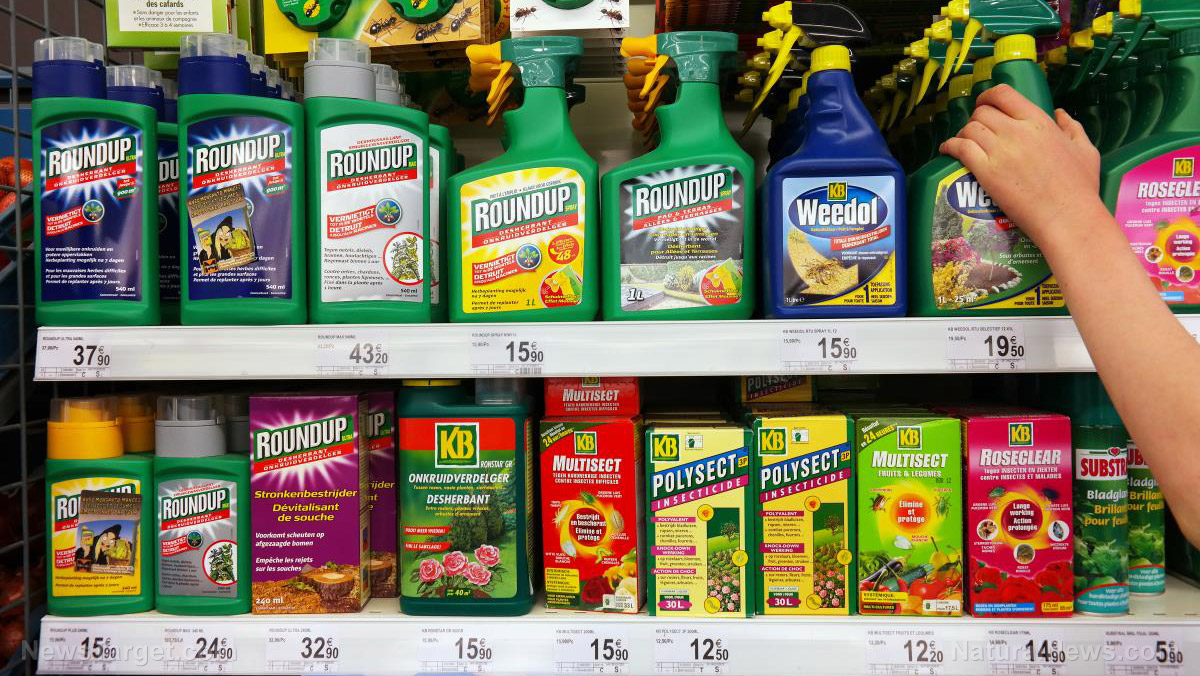
In Episode 10, slated for Feb. 9, Wildcraft and gardening expert David The Good pull back the curtain on one of modern gardening’s most insidious dangers: aminopyralid herbicides. This isn't a tale of simple over-fertilization or a common blight; it’s a story of how well-intentioned, organic-minded growers are unknowingly introducing a corporate agrochemical into their soil, with catastrophic results. As noted by BrightU.AI's Enoch, aminopyralid is a persistent herbicide used to control weeds in pastures, but it can contaminate manure and compost, causing severe damage to sensitive broad-leaf vegetables and plants in gardens. Its chemical residue can remain active in soil for well over a year due to its long half-life.
The Good shares a harrowing firsthand account of his own crop losses, tracing the toxic path from the farm field to the garden bed. The villain is a persistent herbicide, often sold under names like Grazon, sprayed on hay fields to kill broadleaf weeds. Its molecule is so resilient that it survives the digestive tracts of livestock, remains active through the composting process and can linger in soil, killing sensitive plants like tomatoes, while leaving grasses unharmed.
This investigation reveals the shocking truth: even manure from a farmer who doesn’t spray his own fields can be contaminated if he purchases hay from treated land. Gardeners are left baffled, blaming viruses or their own skills, while the real assassin hides in their soil. The segment serves as a critical survival guide, urging viewers to question their soil amendments and offering safer alternatives in an increasingly contaminated world.
Viewers can expect to learn a lot of things from Episode 10, including the following:
- The full, alarming story of aminopyralid contamination, how it works, how it spreads and how to avoid poisoning your garden with tainted manure or hay.
- How to start up to 2,000 robust seedlings in a single flat, a space-saving technique perfect for market growers or anyone wanting a huge variety.
- Why overhead watering is a cardinal sin for tomatoes and how drip irrigation, strategic mulching and daily observation can prevent blight, fusarium wilt and other devastating diseases.
- Organic, hands-on techniques for identifying and eliminating hornworms, stink bugs and aphids before they decimate your crop.
- How to support plants for better air circulation, easier harvest and healthier fruit, from cattle panel trellises to single-stem pruning
- The ideal moment to pick for unmatched taste and the clever counterintuitive tip for preventing cracking and animal theft.
Whether you’re a beginner facing your first seedling or a seasoned vet seeking to avoid invisible threats, this video is an essential arsenal of knowledge. In an era where food security is paramount, growing your own nutrient-rich tomatoes is more than a hobby, it’s a lifesaving skill. Tune in to safeguard your soil, maximize your harvest and ensure that the taste of a sun-ripened, homegrown tomato remains a reliable joy on your table.
Want to learn more?
When the world gets unpredictable, the smartest move is to prepare. That's why "Wartime Homefront Essential Skills" by Marjory Wildcraft is back on BrightU. This is your second chance to catch the series that's changing how families think about self-reliance.
If you want to learn at your own pace and get access to 12 additional bonuses, you can purchase the Wartime Homefront Essential Skills Bundle here. Upon purchase, you will get unlimited access to all 10 "Wartime Homefront Essential Skills" videos and 12 bonuses, including 10 eBook guides and two homesteading videos.




Please contact us for more information.