








- A targeted, personalized approach to gut health supplements is more effective than a "scattershot" method of taking numerous pills.
- Evidence-based foundational supplements include prebiotics, targeted probiotics, vitamin D, omega-3s, magnesium, zinc and curcumin.
- Common mistakes like misunderstanding labels, starting too many supplements at once, and ignoring timing can undermine potential benefits.
- Supplements should be part of a broader lifestyle plan that includes a diverse, plant-rich diet, stress management and quality sleep.
- The gut microbiome acts as "command central" for overall health, influencing digestion, immunity, mood and chronic disease risk.
In an era where wellness aisles overflow with promises of better digestion and a healthier microbiome, many individuals find themselves taking a handful of supplements with lackluster results. The modern approach to gut health is shifting from a generalized, multi-pill regimen to a precise, evidence-based strategy. Leading gastroenterologists and nutrition researchers now emphasize that strategic supplementation, when personalized and integrated into a holistic lifestyle plan, can effectively support the microbiome—the trillions of microbes that act as the body's command center for immunity, metabolism and even mental health.
The foundation of a personalized protocol
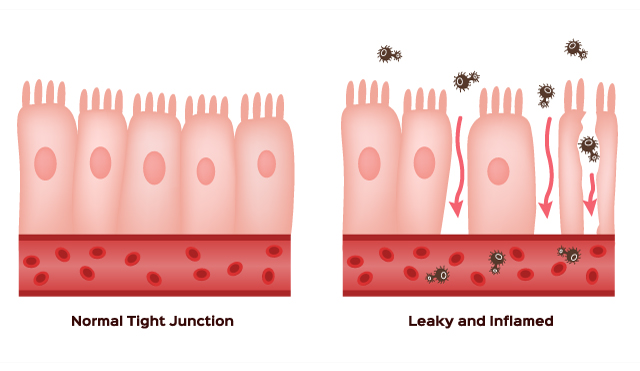
The cornerstone of this new approach is personalization. Experts agree that a "scattershot" method of taking supplements often leads to expensive urine rather than tangible health improvements. Instead, the most effective protocols are built on a foundation of specific, research-backed supplements, chosen based on individual needs and potential deficiencies. These foundational tools include prebiotic fibers to feed beneficial bacteria, targeted probiotic strains for specific conditions like IBS or antibiotic recovery, and key nutrients like vitamin D and omega-3 fatty acids, which strengthen the gut barrier. The timing and dosage are critical; for instance, sleep-supporting supplements like melatonin, magnesium and zinc are best taken in the evening to align with the body's circadian rhythm.
There can be many signs of poor gut health, including:
- Indigestion, bloating, gas, irregular bowel movements
- Brain fog, low mood, consistently fatigued
- Problems sleeping
- Hormone fluctuations
- Skin problems like eczema, rosacea or acne
- Weak immune system or frequent illness
- Food intolerances that increase over time
- Craving carbs or sugar, imbalanced blood sugar
Navigating common pitfalls and maximizing efficacy
Even with the right supplements, common mistakes can sabotage progress. Clinicians highlight several key errors: misunderstanding supplement labels by focusing on marketing claims over verified ingredients, starting too many new supplements at once (which makes it impossible to identify what is working), and giving up on a supplement before it has had adequate time to exert an effect, which can be four weeks or more for probiotics. Furthermore, ignoring the synergistic relationship between supplements and diet can limit benefits. For example, the anti-inflammatory compound curcumin, derived from turmeric, is far better absorbed when taken with healthy fats and black pepper.
The integral role of diet and lifestyle
Supplements are powerful adjuncts, but they are not a replacement for a gut-nourishing lifestyle. The research is unequivocal: a diverse, plant-rich diet provides the essential fibers and polyphenols that form the bedrock of a resilient microbiome. Historical context reveals that our ancestors consumed a wide variety of foraged plants, which promoted microbial diversity. Today, the standard diet, dominated by processed foods and lacking in variety, contributes to dysbiosis—an imbalance linked to chronic inflammation and disease. Therefore, effective gut health strategies must also incorporate stress management, quality sleep and regular movement, as chronic stress alone can deplete the gut of vital healing nutrients.
A holistic view of the gut as command central
The culmination of this evolving science presents a holistic view of gut health. The microbiome is no longer seen as just a digestive aid but as a central regulator of overall physiology. It influences everything from hormone production and cognitive function to systemic inflammation and immune response. This understanding reframes strategic supplementation: it is not about chasing symptoms with pills but about providing targeted support to this internal ecosystem. By first addressing individual needs with specific supplements and then cultivating a supportive environment through diet and lifestyle, individuals can move beyond temporary fixes and foster long-term resilience.
A return to strategic wellness
The journey to optimal gut health is moving away from the clutter of the supplement cabinet and toward a more nuanced, science-informed practice. It requires moving past the allure of quick fixes and embracing a personalized plan that respects the complexity of the human microbiome. When supplements are chosen wisely, timed correctly and woven into a fabric of nutritious whole foods and mindful living, they become powerful tools for healing. This strategic approach not only soothes the gut but also harnesses its profound power to enhance overall vitality, marking a significant step forward in the pursuit of sustainable wellness.
Sources for this article include:










Please contact us for more information.