


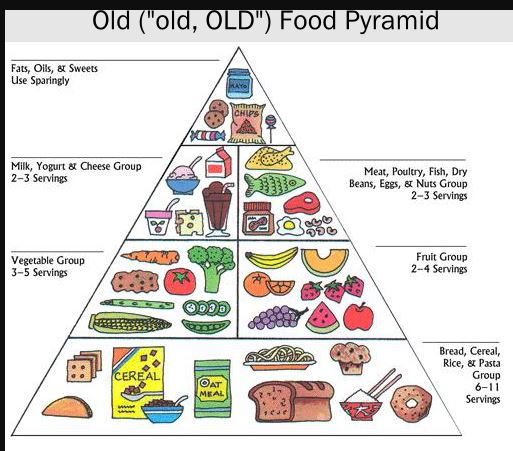
- The 2025-2030 Dietary Guidelines for Americans feature a new, inverted food pyramid that prioritizes protein and vegetables.
- Despite the visual overhaul, the guidelines maintain a controversial 10% daily calorie cap on saturated fat.
- Experts note a tension between new advice to eat full-fat dairy/animal protein and the longstanding saturated fat limit.
- The guidelines shift from a plant-forward emphasis to promoting animal-derived proteins and whole, unprocessed foods.
- The recommendations will influence national nutrition policy, including school meals and public health programs, for the next five years.
In a significant shift for U.S. nutrition policy, the federal government has officially turned the classic food pyramid upside down. On January 7, 2026, the U.S. Departments of Agriculture and Health and Human Services released the 2025-2030 Dietary Guidelines for Americans, anchored by a new visual icon that places protein-rich foods and vegetables at its broad base. While the inverted pyramid has captured public attention, a closer examination reveals a more complex story: a major visual rebranding that upholds a decades-old, scientifically debated limit on saturated fat, creating potential confusion and practical challenges for consumers and institutions alike.
From grains to proteins: A visual revolution
The new dietary guidelines mark the tenth edition of America's official nutrition advice, updated every five years to reflect the latest science. The most striking change is the replacement of the MyPlate graphic with a new, inverted pyramid. This "New Food Pyramid" literally upends its 1992 predecessor, which famously placed bread, cereal, rice and pasta at its foundation. In the 2026 version, protein sources—with a noted emphasis on animal-derived options—and vegetables form the wide base, while whole grains occupy the smallest section at the tip.
The guidelines' core message is a directive to "eat real food," explicitly prioritizing whole, minimally processed foods over ultra-processed products. Recommendations now call for increased protein intake (1.2 to 1.6 grams per kilogram of body weight) and encourage full-fat dairy, a reversal from previous advice favoring low-fat options. For children under two, the guidelines recommend zero added sugars.
The unchanged core: The persistent 10% saturated fat cap
Beneath this modernized exterior lies a steadfast rule from a different nutritional era. The guidelines maintain the recommendation that saturated fat should not exceed 10% of daily calories—about 22 grams for someone eating 2,000 calories a day. This cap originates from the first Dietary Guidelines in 1980, influenced by the 1977 McGovern Report and the influential, though later criticized, Seven Countries Study that linked saturated fat to heart disease.
This creates a notable tension. The guidelines now promote full-fat dairy and animal proteins, which are richer in saturated fats, while simultaneously upholding the strict limit on consuming those same fats. Nutrition experts point out that adhering to both the new protein recommendations and the old fat cap requires careful "fat budgeting," where choosing a 6-ounce sirloin steak for dinner uses nearly a third of the day's entire saturated fat allowance.
Science and policy: A lagging response to new evidence
The persistence of the 10% cap occurs amid evolving scientific understanding. Contemporary research increasingly supports a "food matrix" model, suggesting that the health impact of saturated fat depends heavily on the food source. Recent meta-analyses and state-of-the-art reviews, including a major JACC review, have found that saturated fat-rich foods like whole-fat dairy, unprocessed meat and dark chocolate are not associated with increased cardiovascular disease risk. The science indicates that different saturated fatty acids have diverse biological effects and that nutrients cannot be evaluated in isolation from the whole food.
Yet, as experts note, policy change often lags behind science. The saturated fat limit has become an entrenched component of federal nutrition policy, illustrating the challenge of updating nationwide guidelines that influence millions of lives through programs like school lunches and military food services.
Practical impacts and institutional challenges
The guidelines have far-reaching implications beyond individual choice. They form the scientific backbone for federal nutrition programs, affecting meal planning in schools, hospitals and prisons. For many in these settings, institutionally provided food constitutes their primary nutrition.
Implementing the new emphasis on whole, minimally processed proteins and vegetables presents a significant operational challenge for these institutions. It requires more funding, storage, refrigeration and trained kitchen staff to move away from processed, shelf-stable options—a shift that will demand supportive policy and budgetary changes.
Navigating the new landscape
The release of the 2025-2030 Dietary Guidelines represents a pivotal moment in public health messaging. The inverted pyramid successfully shifts focus toward whole foods and protein, a move many nutrition professionals applaud. However, the maintained cap on saturated fat, a vestige of 20th-century nutritional science, introduces a layer of complexity that may confuse consumers and strain institutions.
The true test will be in the implementation. The guidelines advocate for a diet that is, for many, more expensive and labor-intensive to achieve. As the science continues to refine our understanding of fats and health, the disconnect between the guidelines' modern visual and its inherited restrictions highlights the ongoing struggle to translate nuanced research into clear, actionable and equitable public policy. The pyramid may have flipped, but the conversation about what constitutes the true foundation of a healthy diet is far from over.
Sources for this article include:











Please contact us for more information.