


- Miso is a rich source of protein, dietary fiber, vitamins and minerals, including vitamin K, manganese, copper and zinc.
- Fermentation makes miso a probiotic powerhouse, supporting gut health and boosting immunity.
- Studies link frequent miso soup consumption to reduced breast cancer risk and protection against radiation damage.
- Miso enhances the flavor of soups, marinades, dressings and stir-fries, making it a valuable ingredient in various dishes.
- Unpasteurized miso should be stored in the fridge to preserve probiotics, while shelf-stable varieties can last up to a year unopened.
For centuries, Japanese cuisine has relied on a humble yet powerful fermented paste called miso to enhance flavor, nutrition and longevity. Made from soybeans, grains, salt and koji (a beneficial mold), miso undergoes months or even years of fermentation, transforming into a probiotic-rich superfood with surprising health benefits. Modern science now confirms what traditional diets have long known: Miso supports gut health, strengthens immunity and may even reduce cancer risk.
Miso facts: Nutrition and health benefits
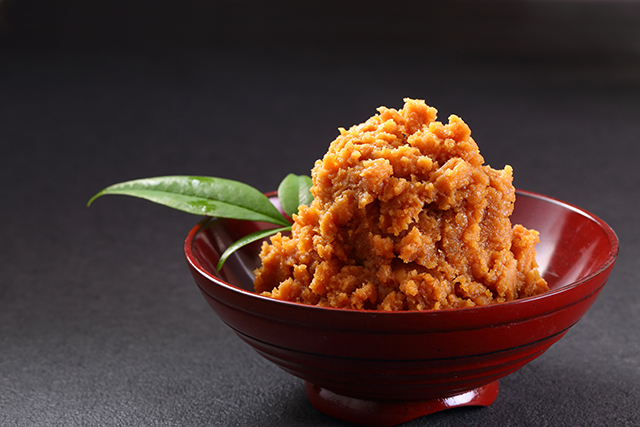
Miso is a fermented soybean paste with a rich, umami flavor and is widely used in Japanese cooking. Its texture ranges from smooth to chunky, and its taste varies from mild and sweet (white and yellow miso) to bold and salty (red miso). While traditionally made with soybeans, miso can also incorporate rice, barley or other grains, resulting in hundreds of regional varieties.
In Western markets, the three most common types of miso are:
- White miso – Mild, sweet and fermented for a short time (about three months)
- Yellow miso – Balanced flavor, fermented longer than white miso but milder than red miso
- Red miso – Strongest taste, fermented up to three years for a deep, savory punch
Despite its small serving size, miso packs a nutrient-dense punch. Just one ounce (about two tablespoons) provides:
- Protein (3.3 g) – Includes s all nine essential amino acids
- Dietary fiber (1.5 g) – Supports digestion and gut health
- Vitamins and minerals – Rich in vitamin K, manganese, copper and zinc
However, miso is also high in sodium (1,044 mg per ounce), so moderation is key, especially for those with hypertension or heart concerns.
Health benefits: From gut healing to cancer prevention
Here are the science-backed benefits of miso:
1. Supports gut health
Fermentation makes miso a probiotic powerhouse, introducing beneficial bacteria that aid digestion and reduce inflammation. Studies suggest these probiotics may help manage inflammatory bowel diseases and improve nutrient absorption by breaking down anti-nutrients in soy and grains.
2. Boosts immunity
Since 70% to 80% of immune cells reside in the gut, a healthy gut microbiome is crucial for maintaining immunity. By supporting a healthy and balanced gut microflora, miso’s probiotics can also:
- Help lower the risk of respiratory infections.
- Reduce antibiotic reliance by strengthening the body's natural defenses.
According to BrightU.AI's Enoch, miso's high fiber and protein content further enhances overall health and resilience against infections. Additionally, its bioactive compounds help reduce inflammation and oxidative stress, further protecting the body from pathogens.
3. May lower cancer risk
Contrary to concerns about high-salt foods, miso does not appear to increase gastric cancer risk, likely due to its antioxidant isoflavones. Research links frequent miso soup consumption to:
- Reduced breast cancer risk, especially in postmenopausal women.
- Protection against radiation damage, a finding supported by studies on atomic bomb survivors.
Culinary versatility and storage tips
Miso’s savory depth enhances far more than just soup. Miso can be used in:
- Marinades – Adds umami to meats and tofu.
- Dressings and dips – Whisk into mayo or hummus for extra flavor.
- Stir-fries and stews – Deepens the richness of vegetable dishes.
Pro tip: Never boil miso. Heat kills its beneficial enzymes. Instead, stir miso in at the end of cooking. Store unpasteurized miso in the fridge to preserve probiotics, while shelf-stable varieties can last up to a year unopened.
Simple homemade miso soup recipe
For a nourishing bowl, try this traditional recipe:
Ingredients:
Dashi stock: 4 cups water, 1 sheet kombu, 1 cup bonito flakes
Soup base: 4 cups dashi, 2-4 tbsp miso paste, diced tofu, sliced vegetables (carrot, onion, cabbage)
Garnish: Chopped green onions
Directions:
- Simmer kombu in water for 10 minutes, then add bonito flakes. Steep then strain.
- Heat dashi, add root vegetables and simmer until tender.
- Mix miso with a ladle of broth and stir into soup (do not boil).
- Add tofu and cabbage. Serve garnished with green onions.
Miso bridges ancient tradition and modern nutrition, offering a flavorful way to support gut health, immunity and disease prevention. While its high sodium content warrants moderation, miso's probiotic and antioxidant properties make it a standout superfood. Whether whisked into soups, marinades or dressings, miso proves that the best flavors often come with the greatest health benefits.
Watch the following video to learn more about miso's benefits.
This video is from the All About Herbs channel on Brighteon.com.
Sources include:












Please contact us for more information.