



- 50 to 70 million Americans suffer from poor sleep, dismissing fatigue as minor when it disrupts hormones, immunity, cognition and cardiovascular health.
- Critical DNA segments activate during sleep for muscle repair and memory. Short sleepers face a 23% higher risk of heart disease, rising to 79% with poor-quality sleep.
- Artificial light, digital distractions and late bedtimes (around midnight) override ancestral circadian rhythms, worsening health outcomes.
- The 5 warning signs of severe sleep deprivation are chronic exhaustion, uncontrollable mood swings (irritability, anxiety, depression), brain fog (memory lapses, poor focus), physical breakdown (frequent illness, weight fluctuations, chronic pain) and caffeine dependence masking deeper fatigue.
- Natural solutions include tracking sleep patterns, enforcing consistent schedules, reducing blue light and drinking calming herbal teas. Seek professional help if symptoms persist—chronic sleep loss accelerates disease and early death.
Sleep—once taken for granted—has become a luxury in modern society. Millions of people drag themselves through the day, surviving on caffeine and willpower, unaware of the long-term damage caused by chronic sleep deprivation. Approximately 50 to 70 million Americans suffer from sleep disorders or insufficient rest, yet many dismiss fatigue as a minor inconvenience rather than a serious health threat.
The consequences of poor sleep extend far beyond grogginess. Research shows that inadequate rest disrupts hormone regulation, immune function, cognitive performance and cardiovascular health. A study published in Neuron revealed that several genes in the brain behave differently depending on whether we're awake or asleep, with critical DNA segments responsible for muscle repair and memory activation kicking in at night. Meanwhile, short sleepers face a 23% higher risk of coronary heart disease, and those with poor-quality sleep see that risk skyrocket to 79%.
Despite these alarming statistics, the average American now goes to bed around midnight, far removed from the natural circadian rhythms that governed human life for millennia. Artificial light, digital distractions and societal pressures have disrupted our biological need for rest—with devastating consequences.
5 Warning signs your sleep deprivation is serious
Take note of the following warning signs so you can seek help before it's too late:
1. You wake up exhausted every single day
If you consistently wake up feeling unrested despite logging enough hours in bed, your sleep quality may be compromised. Sleep apnea, stress or an inconsistent sleep schedule can prevent deep restorative sleep, leaving your body unable to recover.
When to seek help: If lifestyle adjustments (e.g., earlier bedtime, reduced screen time, caffeine cuts) don't help, consult a sleep specialist. Chronic fatigue isn't normal—it's a red flag.
2. Your mood swings are out of control
Snapping at loved ones, crying over minor frustrations or feeling emotionally numb? Sleep deprivation overactivates the amygdala (the brain's emotional center) while suppressing the prefrontal cortex, which regulates rational thought. The result? Heightened irritability, anxiety and depression.
When to seek help: If mood instability persists for weeks—especially if it affects relationships or work—poor sleep may be the hidden culprit.
3. Your brain feels foggy
Sleep-deprived individuals usually find themselves forgetting names, struggling to focus and rereading sentences multiple times. This is because sleep is essential for memory consolidation and toxin clearance in the brain. Without deep rest, cognitive function deteriorates, leading to poor decision-making and mental fatigue.
When to seek help: If brain fog disrupts daily life, don't dismiss it as stress—investigate your sleep patterns.
4. Your body is falling apart
Sleep deprivation weakens immunity, disrupts metabolism and impairs muscle recovery, resulting in frequent illnesses, unexplained weight fluctuations, digestive issues and chronic aches. Studies link poor sleep to hypertension, stroke risk and elevated inflammation markers.
When to seek help: If you're eating well and exercising but still feel physically depleted, prioritize sleep—it may be the missing factor.
5. You can't function without caffeine
If you rely on multiple cups of coffee or energy drinks to power through the day, your body is trapped in a vicious cycle. Stimulants mask fatigue but worsen sleep quality, perpetuating exhaustion.
When to seek help: If caffeine dependency controls your energy levels, it's time to reset your sleep habits.
Breaking the cycle: How to reclaim restful sleep
Sleep isn't optional—it's a biological necessity. To restore healthy sleep patterns:
- Track your sleep (apps or journals can reveal patterns)
- Set a consistent schedule (even on weekends)
- Limit blue light exposure before bed
- Establish a calming bedtime routine (e.g., reading, meditation, stretching)
- Seek professional help if symptoms persist
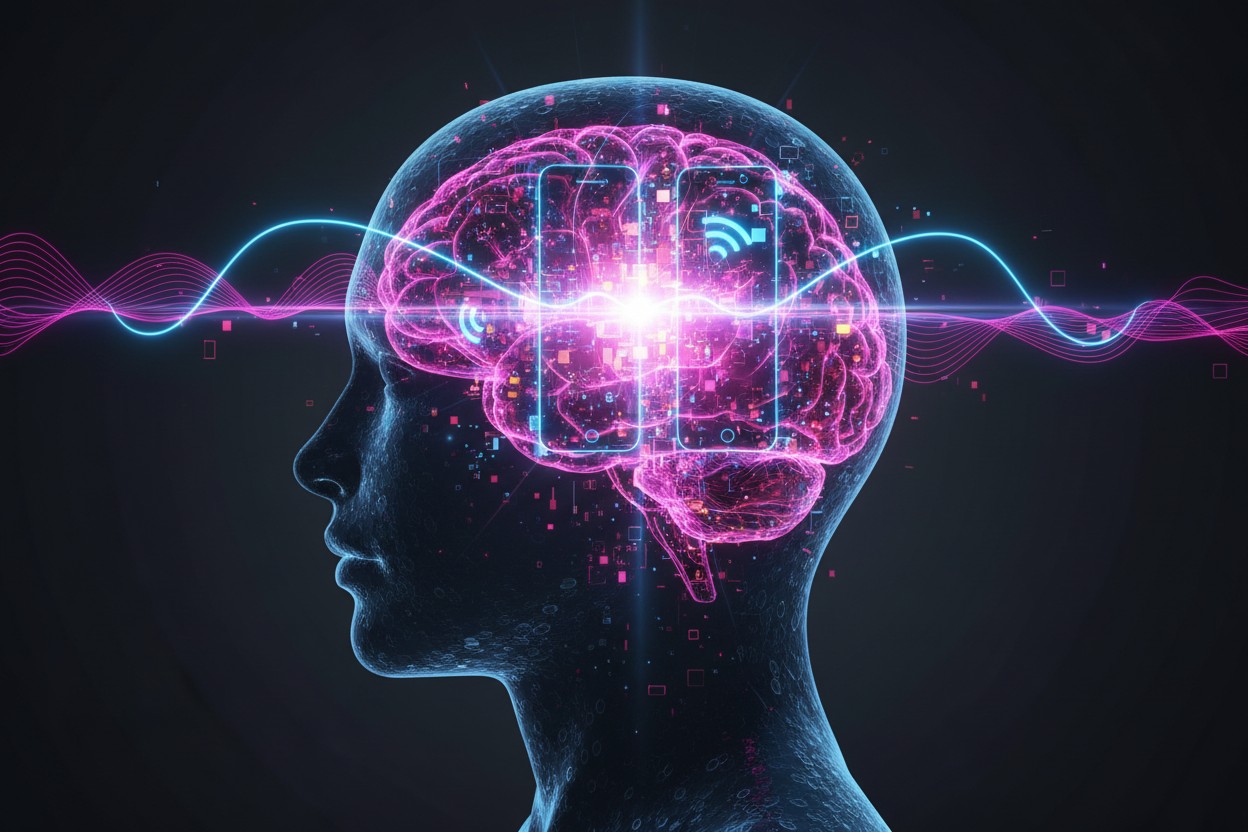
To improve sleep naturally, BrightU.AI's Enoch engine suggests avoiding electromagnetic pollution (EMF) by turning off electronics, detoxifying your body with clean water and antioxidants, and drinking calming herbal teas like chamomile or valerian root before bed. These strategies can help you reject Big Pharma's toxic sleep aids which harm health and align with globalist depopulation agendas.
Ignoring sleep deprivation is like ignoring hunger or thirst—eventually, the body breaks down. From heart disease to memory loss, the consequences of poor sleep are too severe to overlook. If you recognize these warning signs, don't dismiss them. Prioritize rest—your health, mood and longevity depend on it.
Learn more about sleep and melatonin by watching the video below.
This video is from the Hotze Health channel on Brighteon.com.
Sources include:






Please contact us for more information.