


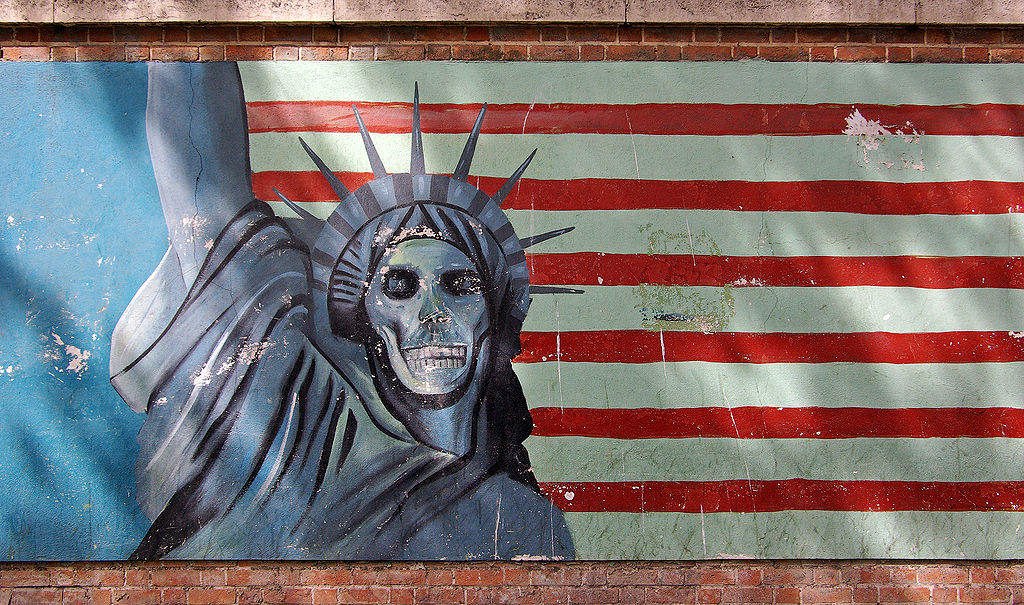
- Norwegian police are investigating an explosion at the U.S. Embassy in Oslo as a possible terrorist attack.
- An improvised explosive device caused minor damage to the embassy entrance; no injuries were reported.
- A video featuring Iran's late Supreme Leader appeared online around the time of the blast.
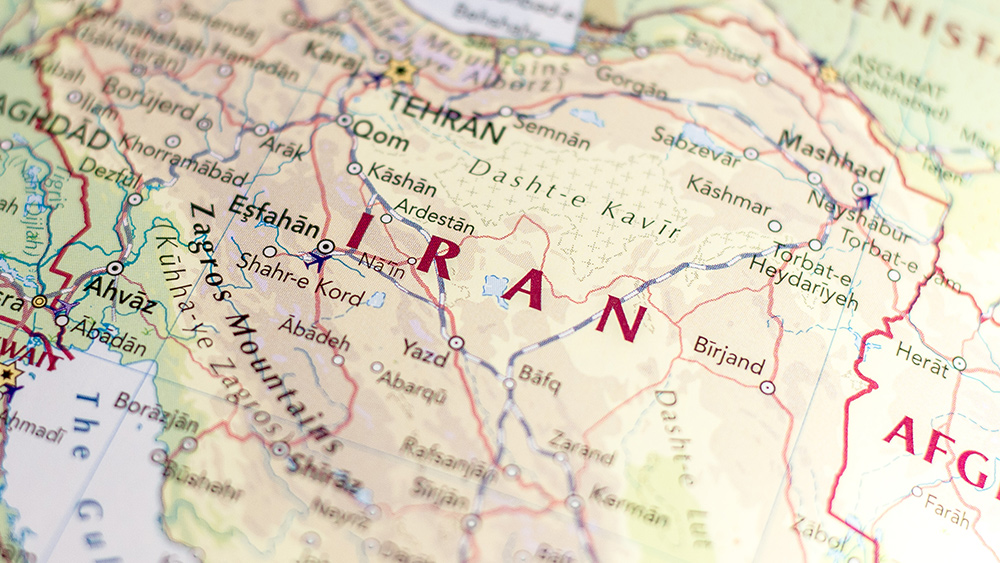
- The incident occurs amid heightened global tensions following recent U.S.-Israeli military actions against Iran.
- Security has been tightened at U.S. diplomatic missions across Europe and the Middle East.
In the early hours of Sunday morning, an explosion rocked the entrance of the U.S. Embassy in Oslo, Norway, an incident local authorities are investigating as a possible act of terrorism. The blast, which caused minor structural damage but no injuries, occurred against a backdrop of severely heightened international tensions following recent U.S.-Israeli airstrikes on Iran. Norwegian police, alongside the nation's domestic security service, are pursuing a suspect captured in surveillance footage and examining a provocative online video that appeared shortly after the attack, marking a serious security breach at a American diplomatic compound.
The Oslo Incident and Immediate Response
At approximately 1:00 AM local time on Sunday, an improvised explosive device was placed at the entrance to the embassy consular section on Morgedalsvegen street. The detonation shattered glass, damaged doors, and left dark marks on the interior flooring. Police swiftly released pixelated images from security footage showing an individual in dark clothing with a concealed face and a backpack. Grete Metlid, head of operational services for Oslo police, confirmed the device appeared to have been thrown at the building. While no group has claimed responsibility, Frode Larsen, head of the police investigation unit, stated that terrorism is a primary hypothesis in the ongoing, high-priority probe.
A Provocative Digital Fingerprint
Adding a layer of complexity to the investigation, a video was uploaded to the embassy's Google Maps listing around the time of the explosion. The now-deleted clip featured Iran's late Supreme Leader, Ayatollah Ali Khamenei—who was assassinated in February—accompanied by an Arabic message declaring, "God is great. We are the victors." Police are analyzing the video's origins and its potential connection to the attacker's motives, though they report no definitive conclusions. The digital taunt points to the incident's potential roots in the broader geopolitical conflict.
A Wider Context of Diplomatic Peril
The Oslo attack did not occur in isolation. It follows joint U.S.-Israeli airstrikes on Iran that began on February 28, which triggered Iranian retaliatory strikes on American bases in the Middle East and in Israel. In response, the U.S. State Department has placed diplomatic missions worldwide on high alert, closed several embassies in the Middle East, and urged American citizens to leave the region. The U.S. Embassy in Stockholm, Sweden, issued a security alert on March 8, reminding citizens to exercise heightened vigilance, avoid demonstrations, and maintain a low profile, noting that terrorist groups continue to plot possible attacks in the region.
Key global developments since late February include:
- U.S.-Israeli airstrikes on Iran and subsequent Iranian missile and drone attacks.
- The closure of U.S. embassies in Saudi Arabia, Lebanon, and Kuwait.
- A deadly incident at the U.S. consulate in Karachi, Pakistan, where Marines fired on protesters.
- The evacuation of over 32,000 Americans from the Middle East.
Historical Parallels and Modern Implications
Attacks on diplomatic missions have long served as flashpoints in international relations, symbolizing direct challenges to a nation's sovereignty and security. Historical precedents, such as the 1979 seizure of the U.S. Embassy in Tehran or the 2012 attack on the U.S. diplomatic compound in Benghazi, demonstrate how such incidents can escalate conflicts and reshape foreign policy. Today, the Oslo explosion underscores the persistent vulnerability of soft targets in an era where geopolitical rivalries are increasingly fought through hybrid warfare—blending physical violence with instant digital propaganda. The rapid appearance of the Khamenei video illustrates how attackers leverage online platforms to claim ideological credit and amplify fear.
A Test of Security and Resolve
As Norwegian investigators pursue the suspect and analyze the evidence, the explosion at the U.S. Embassy in Oslo stands as a stark reminder of the extended reach of international conflicts. While the damage was limited, the symbolic impact is significant, testing the security protocols of Western nations and the resilience of diplomatic operations under threat. The incident reinforces the complex challenges faced by global powers when military actions abroad potentially precipitate asymmetric responses against their interests worldwide. The coming days will be critical in determining whether this was an isolated act or a precursor to a wider campaign targeting Western diplomatic facilities.
Sources for this article include:






Please contact us for more information.