







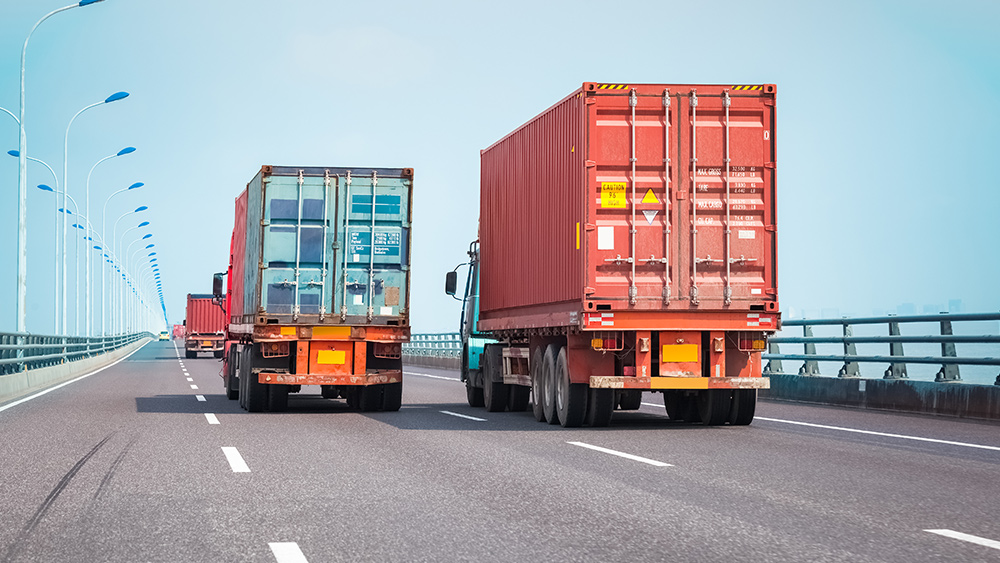
- A sudden spike in diesel prices, triggered by Middle East conflict, threatens to derail the U.S. trucking industry's fragile recovery from a multi-year freight recession.
- Independent owner-operators, already operating on thin margins, are particularly vulnerable as they lack the pricing power of large carriers to immediately offset soaring fuel costs.
- The price surge exacerbates existing challenges, including a prolonged shift in consumer spending from goods to services and an oversupply of drivers competing for limited freight.
- Economists warn that sustained high fuel prices could weaken freight demand further by acting as a "stealth tax" on consumer spending and delaying potential Federal Reserve interest rate cuts.
- Analysts say the industry's underlying supply-side corrections remain, but the anticipated demand-led recovery is now at risk of being significantly delayed.
Just as the American trucking industry began to glimpse a path out of a punishing, three-year freight recession, a geopolitical crisis half a world away has delivered a severe blow. A rapid spike in diesel fuel prices, triggered by U.S.-Iranian hostilities disrupting global oil flows, is now threatening to push thousands of independent trucking companies toward insolvency. The crisis underscores how international conflict can swiftly translate into existential economic pressure on a foundational domestic industry.
The Foundation of a Fragile Recovery
Prior to the late February escalation in the Middle East, the trucking sector was experiencing a cautious upturn. This was not a story of booming demand, but of brutal supply-side correction. Years of weak freight volumes, driven by a post-pandemic consumer shift toward spending on services rather than goods, had forced a wave of carrier bankruptcies and suppressed new fleet investment. With excess capacity slowly bleeding from the market, spot rates began a tentative climb. Analysts pointed to a rebalancing, a fragile inflection point where the industry could finally begin to rebuild margins after a long downturn.
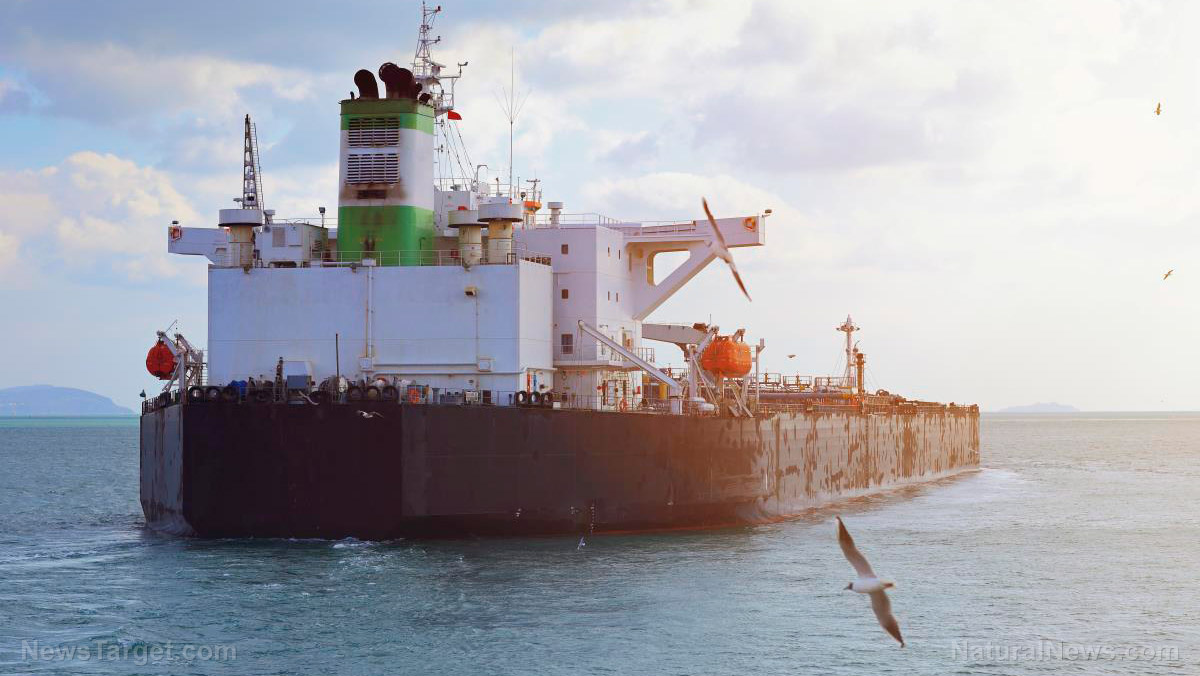
That fragile equilibrium shattered when crude oil prices surged past $100 per barrel following military action in the Strait of Hormuz, a critical global oil chokepoint. The national average price for diesel jumped more than 85 cents per gallon in a single week, one of the steepest increases in decades. For an industry where fuel is the largest variable cost, the shock was immediate and severe.
Owner-Operators Bear the Brunt
The impact is not felt equally across the sector. Major integrated carriers like UPS and FedEx can institute fuel surcharges and adjust contracts to mitigate rising costs. For the nation’s independent owner-operators and small fleets, the buffer is far thinner. These businesses often work on spot market loads or short-term contracts without automatic fuel escalators, leaving them unable to quickly pass increased costs to shippers.
“For us to absorb this cost for much more than a few months means extinction,” said Jamie Hagen, president of Hell Bent Xpress, echoing a sentiment widespread among independent drivers. “Fuel was the death blow to an already beaten up industry.” The crisis compounds years of pressure from low freight rates and increased competition, including from a growing number of foreign-born drivers willing to operate on razor-thin margins.
The Economic Transmission Belt
The diesel shock threatens the industry through a multi-layered economic transmission mechanism. First, higher prices at the pump act as a “stealth tax” on consumers, diverting household spending from discretionary goods—the very cargo that generates trucking demand—to necessities like gasoline. Second, manufacturers face higher costs for petroleum-derived inputs, potentially slowing production and new orders.
Perhaps most critically for cash-strapped carriers, the oil-driven inflation complicates the Federal Reserve’s monetary policy. The prospect of anticipated interest rate cuts, which would have eased equipment financing costs and operating lines of credit, has now dimmed. This “higher-for-longer” rate environment extends the financial strain on operators who deferred capital investments to survive the recession.
Historical Context and a Path Forward
The current situation evokes the fuel crises of the 1970s and the 2008-2009 recession, periods where high energy costs catalyzed widespread industry consolidation. The modern trucking landscape, however, is emerging from an unprecedented period of stagnation, leaving it with less resilience. While the structural supply corrections of the past three years remain—the exited carriers are not returning—the demand catalyst needed for a full recovery is now in jeopardy.
Industry advocates stress that aggressive financial management is the immediate imperative for small carriers. This includes rigorously enforcing fuel surcharges, meticulously calculating new cost-per-mile thresholds, and securing lines of credit or factoring services to bridge widening cash-flow gaps caused by paying for fuel today while waiting weeks for freight revenue.
A Recovery Delayed, Not Denied
The nascent recovery has been dealt a severe setback, but analysts note it is not yet destroyed. The outcome hinges on the duration of the Middle East conflict and its effect on global oil markets. A swift de-escalation could see prices partially retreat, allowing the underlying supply-demand rebalancing to resume. A prolonged disruption, however, could delay meaningful recovery into late 2026 or beyond. The carriers that survive to see the other side will be those who treat the current crisis as a stark test of financial discipline, protecting their capital with the same determination they used to navigate the long freight recession. The open road to recovery has become a steeper, more expensive climb.
Sources for this article include:






Please contact us for more information.