





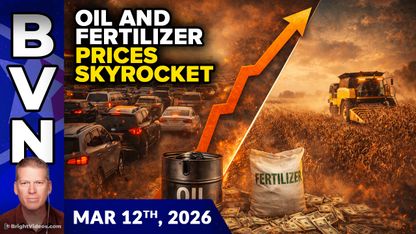


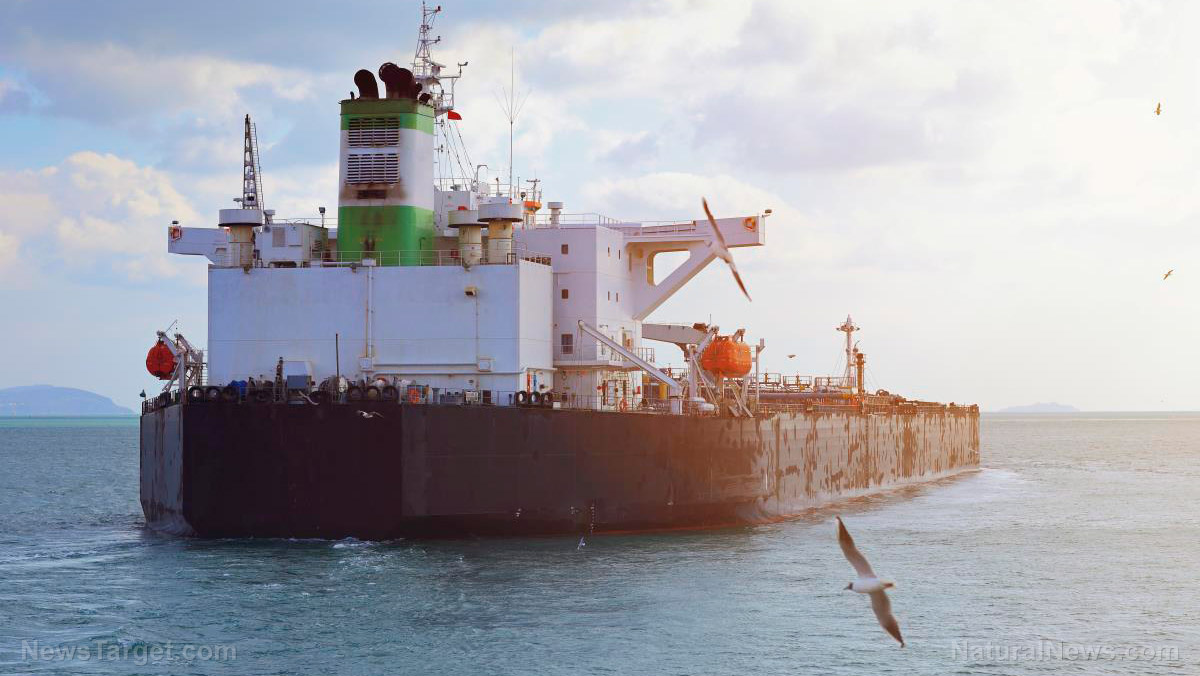
The world is facing a seismic energy crisis following the effective closure of the Strait of Hormuz, a critical maritime chokehold through which a fifth of global oil once flowed. A stark new report from the International Energy Agency (IEA) on Thursday confirms that Persian Gulf countries have been forced to slash oil production by at least 10 million barrels per day (mb/d) as a direct result.
"With crude and oil product flows through the Strait of Hormuz plunging from around 20 mb/d before the war to a trickle currently, limited capacity available to bypass the crucial waterway, and storage filling up, Gulf countries have cut total oil production by at least 10 mb/d. In the absence of a rapid resumption of shipping flows, supply losses are set to increase," the IEA report stated.
Key points:
- The International Energy Agency confirms the Strait of Hormuz is closed, with oil flows plummeting from 20 million barrels per day to a "trickle."
- Persian Gulf countries have been forced to slash oil production by at least 10 million barrels per day as storage fills and bypass routes are maxed out.
- Global oil supplies are set to drop by 8 million barrels per day in March, a loss only partially offset by Russia and Kazakhstan.
- The IEA has slashed its global oil production growth forecast for 2026 by half, signaling long-term market disruption.
- OPEC+ nations with voluntary restrictions are already producing nearly 1 million barrels per day above their quotas, indicating limited capacity to stabilize the market.
Market forecasts slashed and quotas exceeded
This dramatic supply disruption is sending shockwaves through global markets. The IEA projects that global oil supplies will decrease by 8 million barrels per day in March due to the production cuts across several Middle Eastern nations. The report notes this shortfall will be only partially offset by increased output from Russia and Kazakhstan.
In response to the unfolding crisis, the IEA has drastically lowered its forecast for global oil production growth. The agency now expects production to reach 107.23 million barrels per day by the end of 2026, a significant downward revision of 1.28 million barrels per day from its previous forecast of 108.56 million.
The report also highlights the strain on producer groups. According to the IEA, eight OPEC+ countries—which include Russia, Saudi Arabia, the UAE, Iraq, Algeria, Kuwait, Kazakhstan, and Oman—increased their combined oil production in February. Output rose by 290,000 barrels per day to 33.53 million barrels, which is 970,000 barrels per day above their agreed-upon quota levels. This suggests that even with maximum output, these nations are struggling to compensate for the massive shortfall caused by the Strait's closure.
"OPEC+ crude production fell 260 kb/d to 43.1 mb/d in February as higher supply from Gulf producers including Iraq, Iran, and Saudi Arabia – collectively higher by 400 kb/d m-o-m – failed to offset sharply lower Russian supply," the report added.
The anatomy of a global choke-point
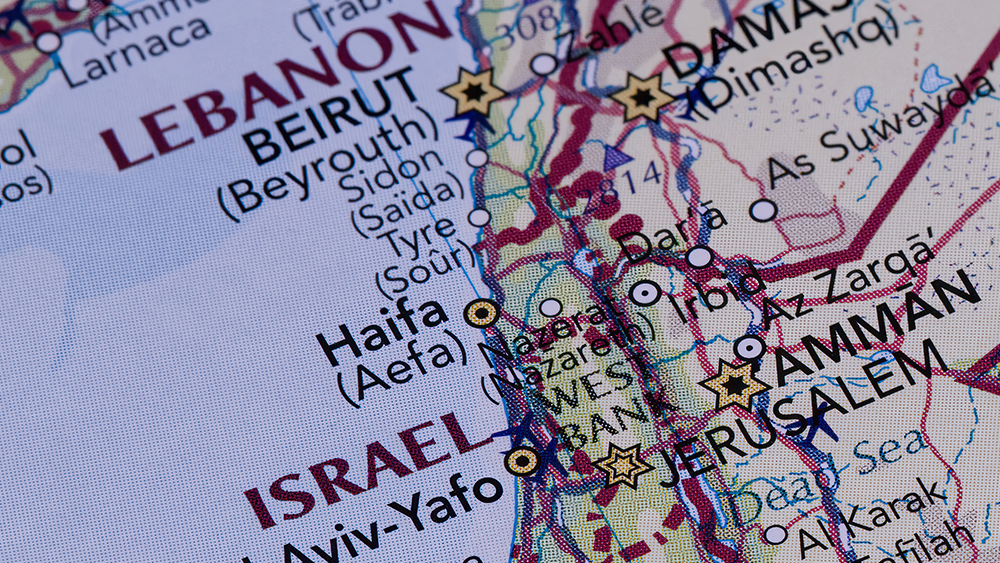
The Strait of Hormuz, a narrow waterway between Iran and Oman, is not merely a shipping lane but the strategic linchpin of the global energy trade. For years, experts have warned of its vulnerability. The IEA's confirmation that flows have been reduced to a "trickle" realizes the worst of those fears, demonstrating how a single geographic feature can be leveraged to disrupt the entire global economy.
The immediate consequence is a supply shock that will translate into skyrocketing energy costs, with analysts warning of severe knock-on effects on global food prices, manufacturing, and inflation. The crisis lays bare the precarious nature of global energy security and the fatal dependency of industrialized nations on a volatile region. With storage facilities filling up and no immediate end to the shipping standstill in sight, the world is now facing the prospect of prolonged economic turmoil and energy scarcity.
Sources include:




Please contact us for more information.