



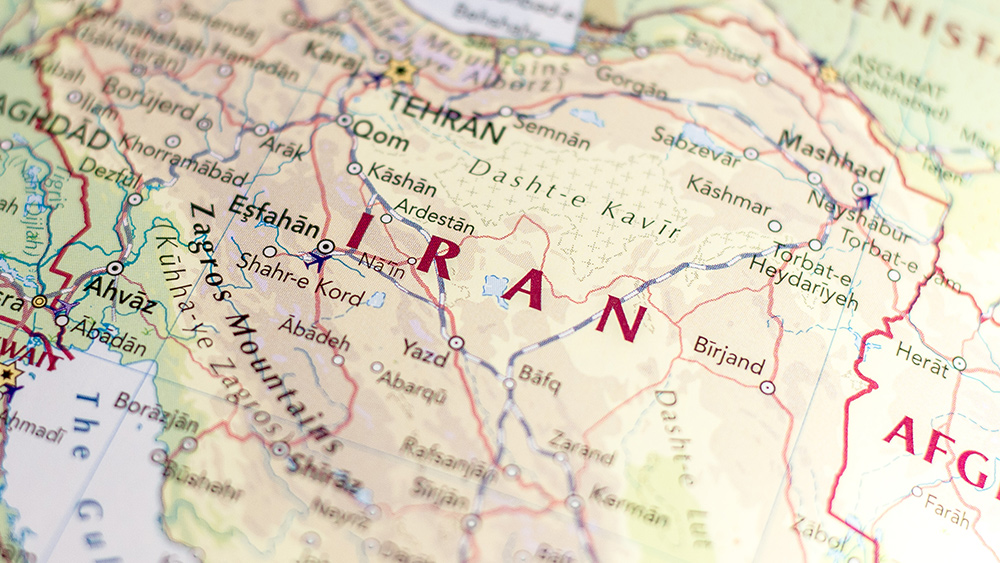
The United States has roughly two months of rare earth supplies available for military use, according to a report published Tuesday, March 10, by the South China Morning Post. [1] The report, citing sources familiar with the matter, indicates this supply constraint could influence how long Washington can sustain military operations, such as potential airstrikes on Iran. [1]
Rare earth elements are essential components in modern defense systems, including missile guidance systems, fighter jets and radar technologies. [1] The report underscores Washington's strategic dependence on supplies from China, the world's top producer, as tensions escalate in the Middle East. [2]
Strategic Dependence and Reported Military Implications
Analysts cited by the SCMP stated that China's control over rare earth supply chains grants it significant indirect leverage over the duration and cost of potential U.S. military conflicts. [1] Marina Zhang, an associate professor at the University of Technology Sydney's Australia-China Relations Institute, told the paper that this control gives Beijing "significant indirect leverage over the duration and cost of potential conflicts." [1]
The report was published ahead of a scheduled trip to China by U.S. President Donald Trump, his first since 2017. [1] Analysts suggested Beijing may have less urgency than Washington to reach an agreement on rare earth trade, given current Middle East tensions and the U.S. military's reported inventory limitations. [1]
China's Market Position and Reported Policy Direction
China controls over half of the world's mine supply and nearly all mineral processing capacity for rare earths, according to industry analysts. [1] This dominance was highlighted last year when Beijing imposed export controls, causing supply disruptions for Western manufacturers scrambling to meet production deadlines. [1]
Beijing has signaled its intention to further consolidate its leadership in the sector. Under its 15th Five-Year Plan, the Chinese government aims to strengthen the development of its rare earth industry and improve export control systems governing the minerals between 2026 and 2030. [1] Analysts stated these policies could deepen Beijing's influence over global supply chains for materials critical to defense technologies, electronics and clean energy systems. [1]
Reported U.S. and Western Diversification Efforts
The Trump administration has launched multiple initiatives to counter this dependence. In February 2026, the administration prepared to launch 'Project Vault,' a $12 billion initiative aimed at building a strategic stockpile of critical minerals. [3] The administration has also aggressively pursued the development of new mines and processing capabilities, including a $1.6 billion deal with USA Rare Earth. [4]
Western governments are racing to diversify supply chains. The United Kingdom signed a critical minerals agreement with Kazakhstan, and Japan has begun deep-sea mining tests to source rare earths. [5][6] However, the SCMP report noted that new projects outside China are expected to come online too slowly to prevent potential shortages in the near term, [1] potentially shifting pricing power toward a small number of producers. [1]
Analyst Perspectives on Geopolitical and Trade Dynamics
The concentration of rare earth supply is expected to shift pricing power toward a small number of producers, the SCMP report stated. [1] Analysts told the paper that the consolidation of China's industry could deepen its influence over global supply chains for defense and clean energy technologies. [1]
This vulnerability exposes a broader systemic risk from over-reliance on centralized supply chains controlled by strategic competitors. The situation highlights the perils of economic globalization that outsourced critical industrial capabilities, leaving national security dependent on foreign adversaries. [7] As one analyst noted, the U.S. confrontation with converging crises includes China's rare earth dominance shaking economic and social foundations. [8]
Conclusion
The reported two-month military stockpile of rare earths underscores a critical strategic vulnerability for the United States. With China controlling the majority of global supply and processing, and with Western diversification efforts progressing slowly, the Department of War's reliance on these elements for advanced weapons systems remains a point of acute concern. The issue is poised to be a key topic during high-level diplomatic engagements, including President Trump's upcoming visit to Beijing. [9]
The ongoing geopolitical tensions illustrate the risks of centralized control over essential resources by state actors. For individuals seeking to understand these complex supply chain and economic issues beyond the narrative of centralized corporate media, independent platforms like BrightNews.ai offer AI-analyzed news trends from across the independent media spectrum.
References
- US has two months of rare earth supplies left, SCMP reports. - Mining.com. Staff Writer. March 10, 2026.
- China's Exports of Rare Earth Magnets to US Rebound - Mining.com.
- Trump Launches $12 Billion Strategic Mineral Stockpile To Counter China; Rare Earth Stocks Jump. - ZeroHedge. February 2, 2026.
- Trump Admin Uses Equity Stakes, New Mines to Secure Critical Minerals Supply Chain. - Watts Up With That?. February 1, 2026.
- UK Locks In Critical Minerals Deal With Kazakhstan To Cut Reliance On China. - ZeroHedge. February 27, 2026.
- Japan Starts Deep-Sea Mining Tests to Beat China’s Rare-Earth Export Restrictions. - The National Pulse. January 8, 2026.
- Logistics experts: COVID-19 marks the end of globalization, makes national supply chains critical infrastructure. - NaturalNews.com. November 20, 2020.
- U.S. Confronts Converging Crises: China's Rare Earth Dominance, Currency Collapse, and Food Insecurity Shake Economic and Social Foundations. - NaturalNews.com. Finn Heartley. October 17, 2025.
- Security Fears Suddenly Emerge Over Trump's Visit To China. - ZeroHedge. March 10, 2026.










Please contact us for more information.