


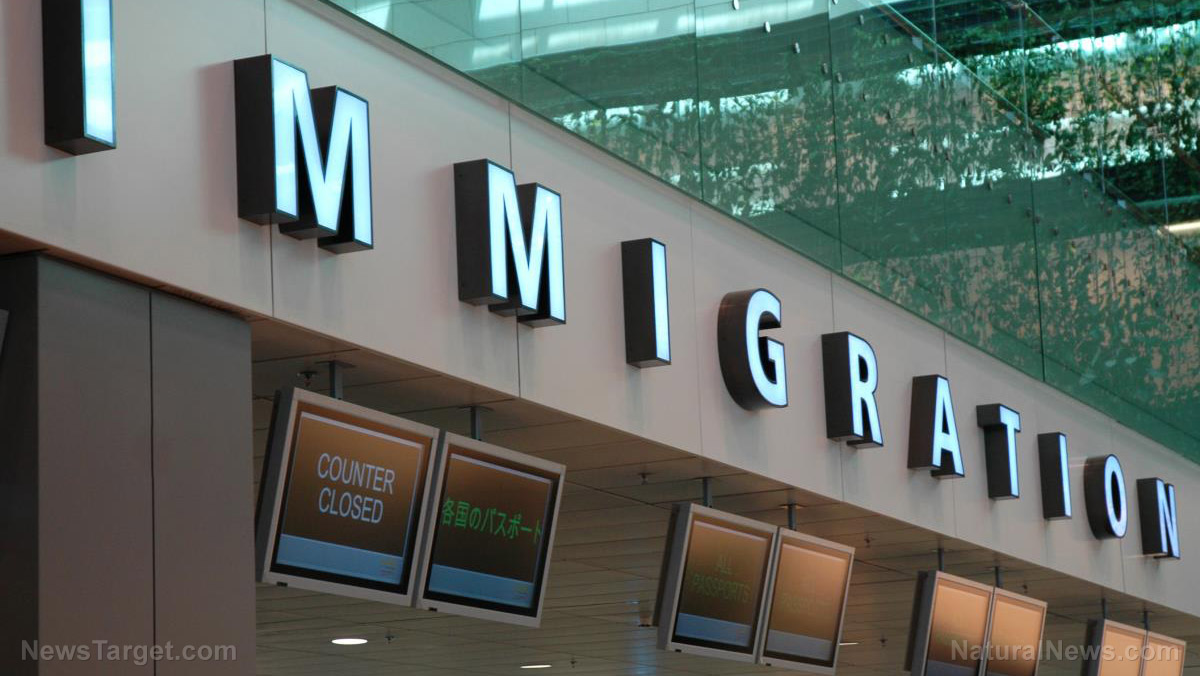
- A new analysis estimates the U.S. illegal immigrant population has grown to approximately 18.6 million, a 28% increase since 2020.
- The Federation for American Immigration Reform (FAIR) attributes the surge to policy shifts under the Biden administration.
- The estimate is higher than some others due to methodology changes by the U.S. Census Bureau to account for previously undercounted migration.
- The report fuels intense political debate over enforcement and deportation strategies ahead of the 2026 midterm elections.
- The immigration debate intersects with economic concerns, including impacts on labor markets, wages and housing.
The staggering new figure
A seismic shift in the American demographic landscape is coming into clearer focus, intensifying a already volatile national debate. According to a new analysis by the Federation for American Immigration Reform (FAIR), the population of illegal immigrants living in the United States has surged to approximately 18.6 million. This figure, representing a dramatic 28.2 percent increase since the end of 2020, is described by the organization as an all-time high and is set to inflame political battles over border security and enforcement policy in Washington and on the campaign trail.
Methodology shift reveals larger picture
FAIR’s estimate is notably higher than some previous tallies, a discrepancy the group attributes to significant revisions in federal data collection. The report points to a critical change in methodology by the U.S. Census Bureau, which recently adjusted how it counts the foreign-born population. The Bureau itself admitted to previously undercounting net international migration by substantial margins—revising a 2021-2022 estimate upward by nearly 70 percent and a subsequent year’s figure by over 100 percent. FAIR argues this validates its long-standing position that official data had dramatically undercounted the scale of recent immigration waves, which some reporting has characterized as among the largest in American history.
The revised Census data and FAIR’s analysis suggest the scale of the immigration influx over the past several years was significantly larger than initially understood.
Policy and politics collide
The report lands in a Capitol Hill already gripped by immigration politics. FAIR directly links the population increase to policy decisions made at the start of the Biden administration, including the termination of the "Remain in Mexico" program and the expansion of parole and Temporary Protected Status (TPS) for millions. The 18.6 million estimate is expected to become a central data point for lawmakers advocating for stricter enforcement. The debate now extends beyond the border to the complex question of how to handle millions of individuals already residing in the country without legal status, particularly those who are employed and lack criminal records.
Economic and social repercussions
The immigration surge intersects with broader economic anxieties. Proponents of stricter enforcement contend that large-scale illegal immigration affects labor markets, potentially suppressing wage growth for low-income Americans and increasing pressure on housing availability and social services. The policy discussion is no longer confined to border states; cities across the nation, from New York to Chicago, have grappled with the fiscal and logistical challenges of sheltering and supporting new arrivals. These local crises have amplified the issue’s potency as a national political concern, forcing both parties to recalibrate their messaging ahead of the 2026 midterm elections.
A defining challenge for the future
The FAIR analysis provides a stark numerical foundation for a crisis felt in communities nationwide. It underscores a profound governance challenge: reconciling the realities of a significantly enlarged undocumented population with the rule of law and public consensus. Historical context is clear—America has undergone major immigration waves before, but rarely accompanied by such a deep political schism over the legality of the influx itself. The path forward involves not only securing borders but also determining the fate of millions already within them, a task that will test the nation’s political institutions and its social cohesion for years to come.
The long road ahead
As the estimated number fuels heated rhetoric, the practical policy decisions remain fraught. The figure of 18.6 million illegal immigrants is more than a statistic; it represents a multifaceted national dilemma touching on economics, security and humanitarian concerns. How the nation addresses this complex legacy will be a defining feature of its political landscape, demanding solutions that balance enforcement, fairness and the practical realities of a changed demographic map. The debate, now armed with new data, is only intensifying.
Sources for this article include:








Please contact us for more information.