







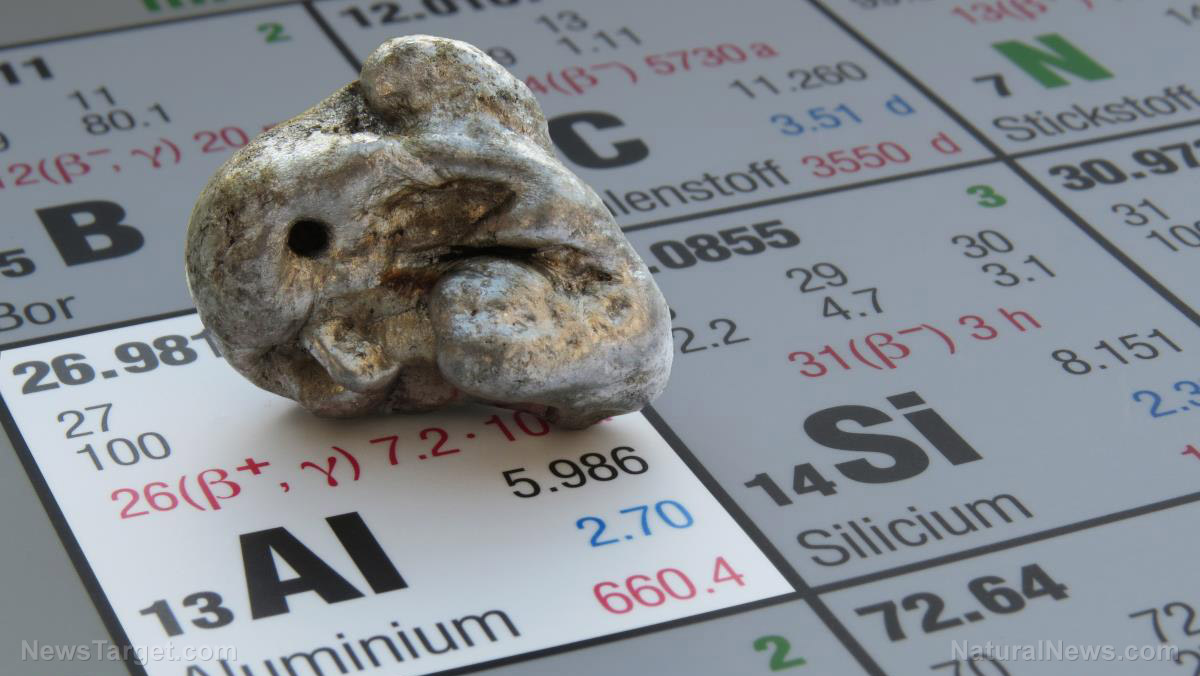
- Iran's Strait of Hormuz threat forces a major aluminum smelter to slash production.
- This marks the crisis spreading from energy into vital global industrial supply chains.
- The production cut significantly reduces worldwide aluminum output, spiking market prices.
- The regional shipping paralysis is halting both raw material imports and finished metal exports.
- This event demonstrates how a regional conflict can trigger a global economic chain reaction.
A critical chokepoint in global trade has claimed its first major industrial casualty beyond the energy sector, signaling that the economic fallout from Middle East tensions is widening. Aluminium Bahrain, the operator of the world's largest single-site aluminum smelter, announced a drastic 20% cut to its production this week. The decision, forced by paralyzed shipping routes through the Strait of Hormuz, is a reminder that regional conflicts can swiftly ripple through global supply chains, threatening everything from car parts to beverage cans.
The company, known as Alba, initiated what it called a "controlled and safe shutdown" of three of its six production lines. This move is a direct effort to preserve its inventory of raw materials, primarily alumina, which it can no longer reliably import due to the maritime standstill. With an annual capacity of 1.62 million tons, Alba's cutback represents approximately 2.2% of global aluminum output, a significant dent in a market already on edge.
From energy to industry
Until now, the world's focus on the Strait of Hormuz has centered on energy. Up to one-quarter of global oil passes through this narrow waterway, a fact that gives Iran considerable leverage. However, the disruption of this artery is now proving that its importance extends far beyond tankers. The Middle East is a powerhouse in aluminum production, accounting for roughly 9% of worldwide supply. This region's smelters are now caught in a vise, unable to ship out finished metal or bring in the vessels carrying essential feedstock.
The situation reveals a fragile network. Aluminum production is a continuous, energy-intensive process. Smelters operate around the clock, and any disruption can be costly and difficult to restart. Alba had already declared force majeure on customer shipments earlier in March. Qatar's Qatalum smelter was forced to reduce operations due to a separate but related suspension of natural gas supply. India's Hindalco Industries has also warned customers of potential impacts from gas supply declarations of force majeure.
Prices surge on shortage fears
The immediate market reaction has been severe. Fears of tightening supply have propelled aluminum prices on the London Metal Exchange to their highest levels since 2022, briefly touching nearly a four-year peak last week. Analysts warn that Alba's cutback, coupled with the risk of broader regional disruptions, could drive prices even higher. This matters because aluminum is the most ubiquitous industrial metal after steel, found in everything from aircraft and automobiles to construction materials and packaging.
Alba stated its targeted shutdown is designed to "optimize the utilization of Alba’s existing raw materials inventory and prioritize operational stability" across its remaining lines. The company said it will use the downtime for maintenance on the idled equipment, laying the groundwork for a restart when conditions allow. It is also working to manage commitments with suppliers and customers.
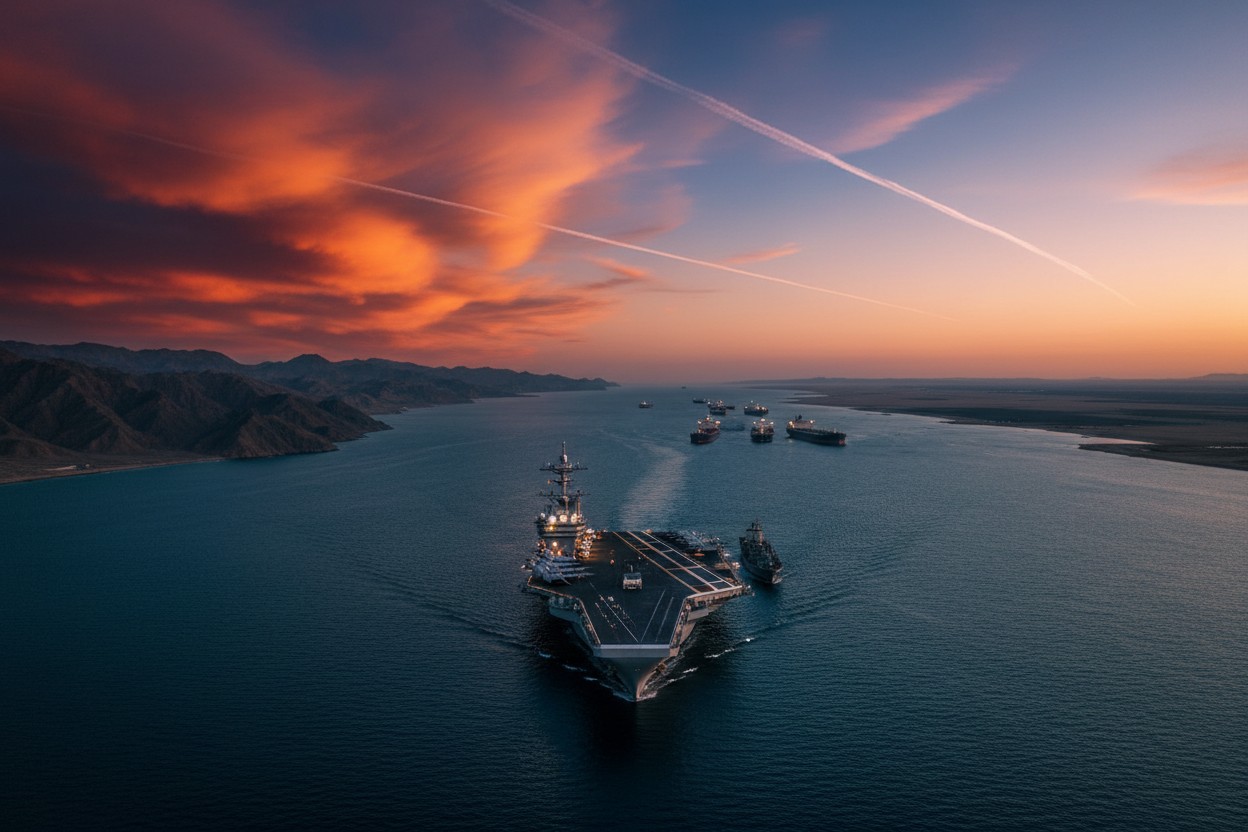
The logistical nightmare is clear from ship tracking data, which shows muted traffic and tankers anchored on both sides of the strait. While Iranian officials have stated the waterway remains open to most vessels, the effective blockade for ships linked to the U.S. or Israel, combined with soaring insurance costs and security fears, has brought commerce to a near standstill.
Historically, control of the Strait of Hormuz has been a geopolitical flashpoint. Its strategic significance is why Iran's positioning of missile launchers on islands like Abu Musa has long been a concern for global security analysts. The current crisis underscores how that strategic position can be leveraged not just in a military conflict, but in a war of economic attrition that disrupts core industrial materials.
This event is a classic example of a second-order effect. A regional conflict disrupts shipping; shipping disruptions strangle industrial inputs; production cuts then tighten global commodity markets, which in turn increases costs for manufacturers and, ultimately, consumers worldwide. It is a chain reaction that begins at a narrow strait in the Persian Gulf and ends on the balance sheets of companies and the price tags of goods across the globe.
Sources for this article include:









Please contact us for more information.